


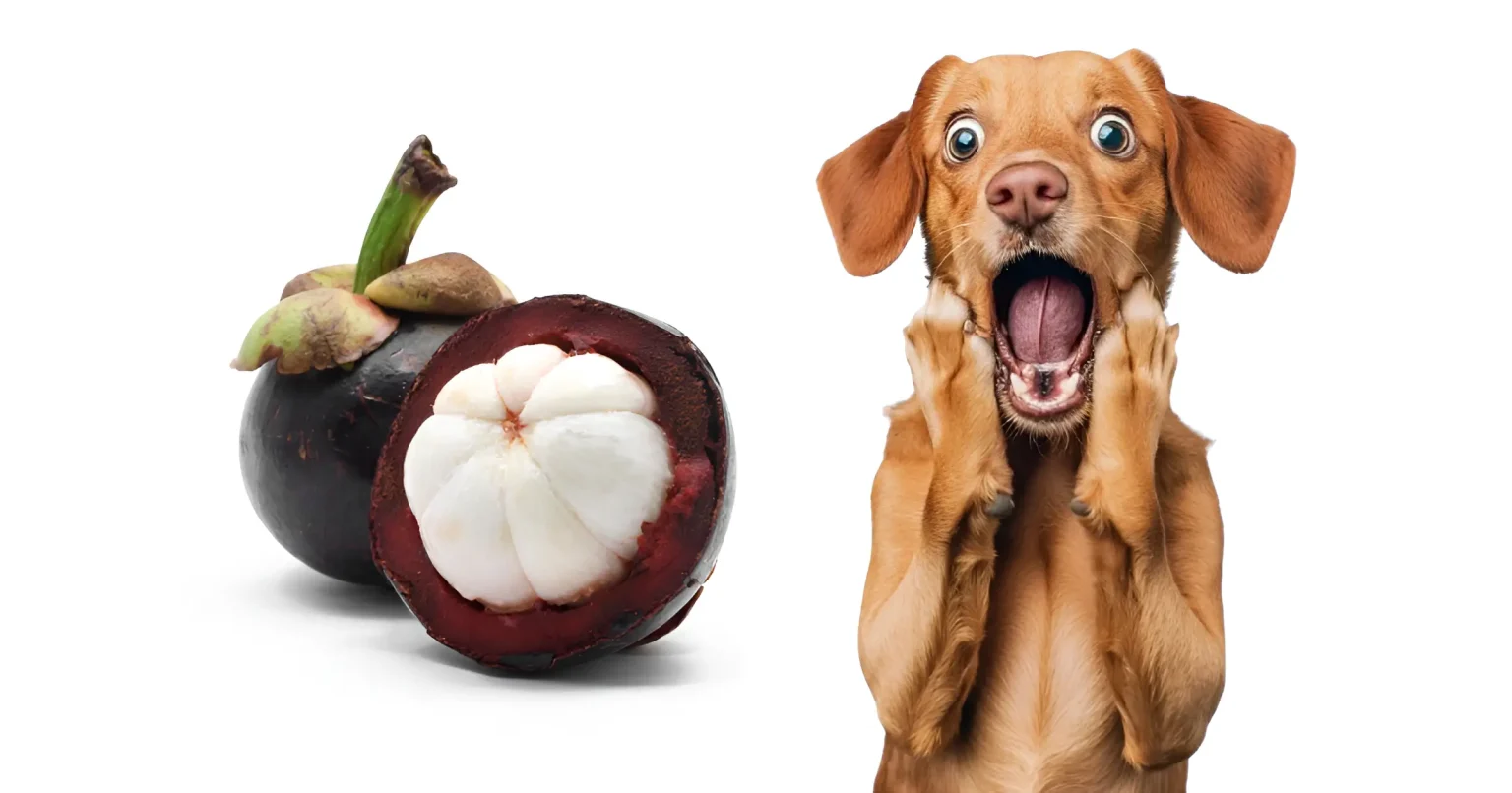
Mangosteen is a tropical fruit cherished for its sweet, tangy flavor and soft, juicy flesh. Its vibrant purple exterior and fragrant aroma make it appealing not only to humans but also to curious pets. If you’ve ever noticed your dog eyeing your mangosteen, you may wonder: can dogs eat mangosteen?
The answer requires careful consideration. While some parts of mangosteen may be safe in small amounts, other parts can be harmful. Understanding the risks, proper preparation, and alternatives is essential for keeping your dog healthy.
What Is Mangosteen?
Mangosteen, often referred to as the “queen of fruits,” has a thick purple rind and soft white segments inside. The edible flesh is sweet, slightly tangy, and rich in vitamins and antioxidants for humans. However, dogs have a different digestive system, and not all fruits that are safe for humans are safe for them.
Mangosteen contains natural sugars, fiber, and plant compounds that may affect a dog’s stomach. Some parts of the fruit, especially the rind, contain substances that dogs should never consume.
Can Dogs Eat Mangosteen?
Dogs can eat small amounts of the soft, white flesh of ripe mangosteen. However, the rind, seeds, and unripe portions are unsafe and should never be offered. Even the flesh should only be an occasional treat, not a regular part of the diet.
Mangosteen should be properly prepared to ensure safety. The rind is thick and difficult to digest, while the seeds are hard and can cause choking or intestinal blockages.
Why Mangosteen Can Be Risky for Dogs
Even though the flesh is safe in moderation, mangosteen carries some risks that every dog owner should be aware of.
High Natural Sugar
Mangosteen is naturally sweet and contains a significant amount of sugar. Dogs do not need sugar in their diet. Excess sugar can contribute to obesity, dental problems, and insulin issues. Dogs with diabetes or weight problems should never be given mangosteen.
Digestive Sensitivity
Dogs with sensitive stomachs may experience digestive upset after eating mangosteen. Even small amounts can sometimes cause diarrhea, gas, bloating, or mild vomiting, particularly in dogs who are not accustomed to fruit.
Seeds and Rind Are Dangerous
The seeds of mangosteen are hard and may pose a choking hazard. If swallowed, they can also cause intestinal blockages. The rind contains compounds that are difficult for dogs to digest and may irritate the gastrointestinal tract.
Unripe Mangosteen
Unripe mangosteen can contain higher levels of plant compounds that may upset a dog’s stomach. Always ensure the fruit is fully ripe before offering the flesh.
How to Safely Give Mangosteen to Dogs
If you choose to offer mangosteen to your dog, preparation is essential:
- Choose fully ripe fruit – Only ripe mangosteen is safe. Avoid unripe or spoiled fruit.
- Remove the rind – The thick purple skin is indigestible and may cause irritation.
- Remove the seeds – Seeds are a choking hazard and may block the intestines.
- Cut into small pieces – Reduce the risk of choking, especially for small breeds.
- Offer only in moderation – A few small pieces of the flesh are sufficient.
Observe your dog after the first feeding to ensure there are no adverse reactions.
Health Risks of Feeding Mangosteen to Dogs
Feeding mangosteen incorrectly can lead to several health issues:
- Short-term effects: Diarrhea, vomiting, bloating, gas, drooling, or stomach discomfort.
- Long-term effects: Regular consumption of high-sugar fruit can lead to obesity, dental issues, and potential metabolic problems.
- Seed ingestion: Eating seeds can cause choking or intestinal blockage, which may require emergency veterinary care.
Dogs with pre-existing medical conditions should avoid mangosteen entirely.
Can Puppies Eat Mangosteen?
Puppies should not be given mangosteen. Their digestive systems are delicate, and introducing fruit, especially one with sugar and fiber, can cause diarrhea, vomiting, or other digestive issues. Puppies should stick to nutritionally balanced puppy food and vet-approved treats.
Are There Any Nutritional Benefits for Dogs?
While mangosteen is rich in antioxidants, vitamins, and fiber for humans, dogs do not require these nutrients from fruit. Dogs receive all essential nutrients from a high-quality dog food diet. The risks of feeding mangosteen outweigh any minor nutritional benefit.
Signs of Adverse Reactions
After giving mangosteen, monitor your dog closely. Warning signs of digestive upset or toxicity include:
- Vomiting
- Diarrhea
- Lethargy
- Loss of appetite
- Abdominal pain or bloating
If your dog shows severe symptoms or swallows seeds or rind, contact a veterinarian immediately.
Dogs With Health Conditions and Mangosteen
Dogs with the following conditions should avoid mangosteen entirely:
- Diabetes or insulin resistance
- Pancreatitis or other digestive disorders
- Obesity or weight-related issues
- Gastrointestinal sensitivities
Always consult a veterinarian before introducing any new fruit to a dog with health concerns.
Is Dried or Processed Mangosteen Safe?
Dried or processed mangosteen is not recommended. Drying concentrates the sugar content, and processed products may contain additional preservatives or additives that are harmful to dogs.
Only fresh, ripe mangosteen flesh should ever be considered as an occasional treat.
Safer Fruit Alternatives for Dogs
If you want to share fruit with your dog, there are safer options:
- Apples (without seeds)
- Blueberries
- Strawberries
- Watermelon (without seeds or rind)
- Bananas
These fruits are generally easier for dogs to digest and pose fewer risks than mangosteen.
Importance of Moderation
Even safe fruits should never replace a dog’s regular diet. Treats, including fruit, should constitute only a small percentage of daily calorie intake. Overfeeding fruit can lead to digestive issues and unhealthy eating habits.
Training and Treat Habits
Using mangosteen as a treat for training should be done sparingly. Dogs may become picky or expect sweet treats if fed frequently. Dog-specific treats or small pieces of lean meat are usually better for reinforcement.
Final Verdict
So, can dogs eat mangosteen? The answer is yes, but only in small amounts and with caution. The white flesh of ripe mangosteen can be safe, but seeds, rind, and unripe portions should never be consumed.
Because of the risks associated with sugar content, digestive sensitivity, and choking hazards, mangosteen is not an ideal treat for dogs. There are many safer fruit alternatives that provide enjoyment without compromising your dog’s health.
Caution, preparation, and moderation are key when considering mangosteen for your dog.
FAQs
Can dogs eat ripe mangosteen?
Yes, in small amounts, with all seeds and rind removed.
Are mangosteen seeds toxic to dogs?
Seeds are not chemically toxic but pose a serious choking hazard and may cause intestinal blockages.
Can dogs eat mangosteen every day?
No. Mangosteen should only be offered occasionally due to high sugar content.
Is mangosteen good for dogs nutritionally?
No. Dogs receive all essential nutrients from their regular diet, and mangosteen offers minimal benefit.
What should I do if my dog eats mangosteen rind or seeds?
Contact a veterinarian immediately, as these can cause choking or intestinal blockage.
For More Visits: Animalsinfo
Also Read: Can Dogs Eat Custard Apple Safely? Expert Guide 2026