


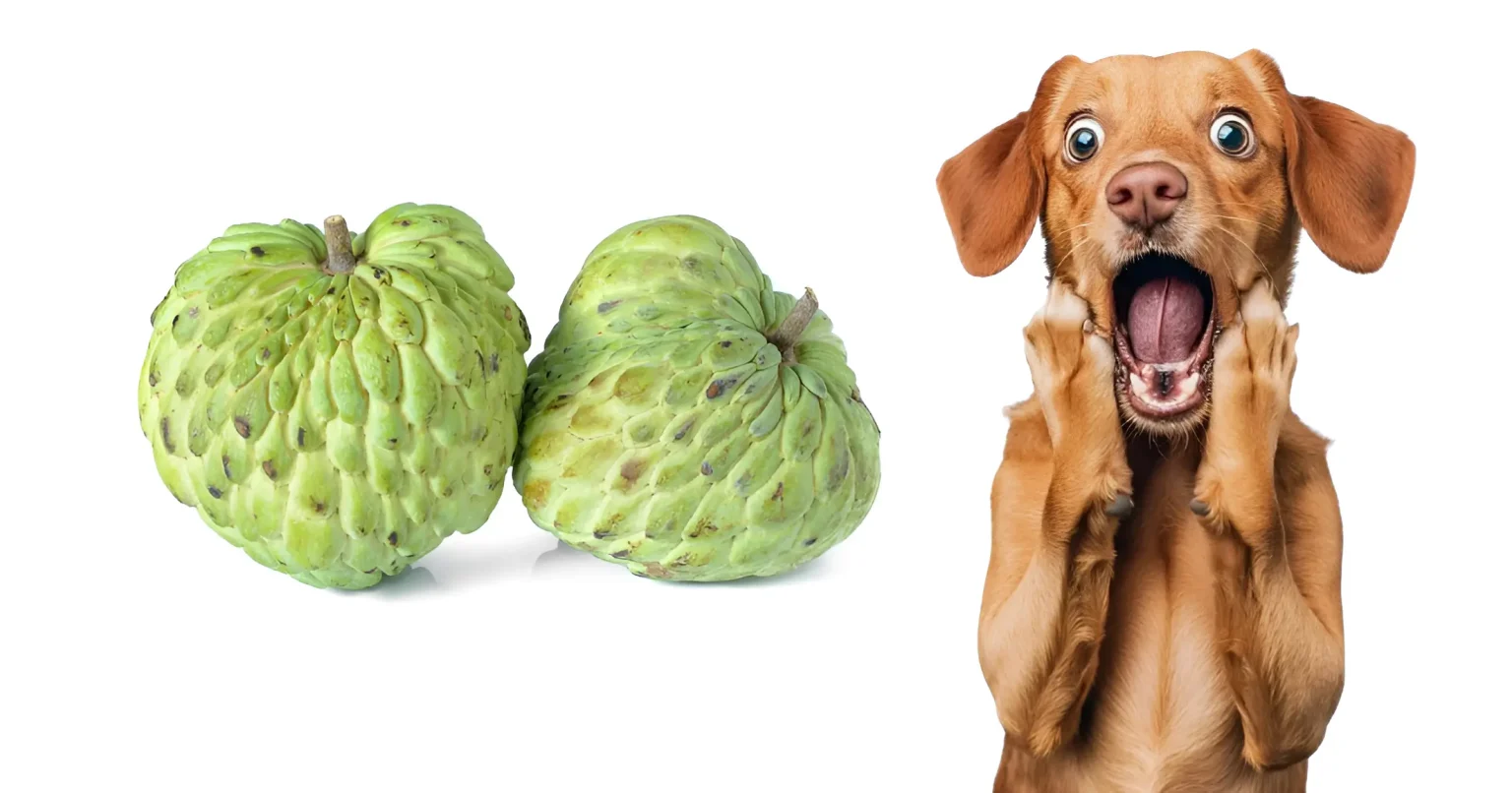
Custard apple is a sweet, creamy fruit loved by many people for its unique flavor and soft texture. If you enjoy eating custard apple at home, it’s natural for your dog to show curiosity and ask for a bite. This often leads to an important question: can dogs eat custard apple?
The answer is not a simple yes or no. While some parts of custard apple may seem harmless, other parts can be dangerous for dogs. Understanding which parts are safe, which are unsafe, and how a dog’s body reacts to this fruit is essential before offering it as a treat.
This guide explains everything dog owners need to know about custard apple, including risks, preparation, symptoms to watch for, and safer alternatives.
What Is Custard Apple?
Custard apple, also known as sugar apple or sitaphal, is a tropical fruit with green, knobby skin and soft white flesh inside. It has a sweet taste and a custard-like consistency. The fruit contains many black seeds embedded in the flesh.
While custard apple is nutritious for humans, dogs have very different digestive systems and nutritional needs. This difference is the key reason why caution is required.
Can Dogs Eat Custard Apple?
Dogs can eat very small amounts of custard apple flesh, but only if it is properly prepared. However, custard apple seeds and skin are dangerous and should never be given to dogs.
Because of the risks involved, custard apple is not an ideal fruit for dogs and should only be considered an occasional treat, if at all.
Why Custard Apple Can Be Risky for Dogs
Custard apple may look soft and harmless, but several factors make it risky for dogs.
Toxic Seeds
The most serious concern with custard apple is its seeds. Custard apple seeds contain compounds that are toxic if chewed or crushed. These compounds can affect a dog’s nervous system and digestive tract.
Additionally, the seeds are hard and slippery, making them a major choking hazard. If swallowed whole, they can cause intestinal blockage, which may require emergency veterinary treatment.
High Sugar Content
Custard apple is naturally high in sugar. Dogs do not need sugar in their diet, and excessive sugar intake can lead to obesity, dental problems, and blood sugar spikes.
Dogs with diabetes, pancreatitis, or weight issues are especially vulnerable and should not eat custard apple at all.
Digestive Sensitivity
Even when seeds are removed, the soft flesh of custard apple is very rich and creamy. Some dogs may struggle to digest it, leading to diarrhea, vomiting, gas, or stomach discomfort.
Dogs with sensitive stomachs are more likely to experience digestive upset.
Skin Is Not Digestible
The outer skin of custard apple is thick and fibrous. Dogs cannot digest it properly, and it can cause choking or gastrointestinal irritation if consumed.
What Parts of Custard Apple Are Unsafe for Dogs?
Dogs should never eat the following parts of custard apple:
- Seeds (toxic and choking hazard)
- Skin or peel (indigestible and irritating)
- Any spoiled or overripe portions
Only the fresh, seed-free flesh may be considered mildly safe, and even then, only in very small quantities.
Health Risks of Feeding Custard Apple to Dogs
If custard apple is fed incorrectly or in excess, dogs may experience short-term or long-term health issues.
Short-term effects may include vomiting, diarrhea, drooling, loss of appetite, and abdominal discomfort. These symptoms often appear within a few hours.
Long-term risks include weight gain, insulin resistance, and digestive sensitivity if sugary fruits are offered regularly.
In severe cases, ingestion of seeds can lead to poisoning or intestinal blockage, which is a medical emergency.
Can Puppies Eat Custard Apple?
Puppies should not eat custard apple. Their digestive systems are still developing and are far more sensitive than adult dogs. Even small amounts of fruit can cause diarrhea or nutritional imbalance.
Puppies should stick to puppy-formulated food and vet-approved treats only.
How to Safely Give Custard Apple to Dogs
If you choose to offer custard apple despite the risks, preparation is critical.
The fruit must be fully ripe and fresh. All seeds must be carefully removed, and the skin must be completely peeled away. The flesh should be cut into very small pieces to reduce choking risk.
Only one or two small bites should be offered to a medium-sized dog. After feeding, observe your dog closely for any signs of discomfort or digestive upset.
Custard apple should never be given daily and should not become a regular treat.
Signs of Trouble After Eating Custard Apple
After eating custard apple, watch for symptoms such as vomiting, diarrhea, excessive drooling, bloating, weakness, or unusual behavior.
If your dog eats a seed or shows severe symptoms, contact a veterinarian immediately. Seed ingestion should always be treated as an emergency.
Dogs With Health Conditions and Custard Apple
Dogs with diabetes, pancreatitis, obesity, gastrointestinal disorders, or food sensitivities should not eat custard apple. The sugar content and rich texture can worsen existing conditions.
If your dog has any medical condition, always consult a veterinarian before introducing new foods.
Is Custard Apple Nutritionally Beneficial for Dogs?
While custard apple contains vitamins and fiber, dogs do not need these nutrients from fruit. These nutritional needs are already met through balanced dog food.
The risks associated with custard apple outweigh any potential benefits, making it unnecessary in a dog’s diet.
Safer Fruit Alternatives for Dogs
If you want to give your dog fruit, there are safer and more suitable options.
Apples without seeds, bananas, blueberries, watermelon without rind or seeds, and strawberries are generally easier for dogs to digest and pose fewer risks.
These fruits still provide hydration and variety without the dangers linked to custard apple seeds.
Why Moderation Is Essential
Even safe fruits should only be given occasionally. Treats, including fruit, should make up no more than a small portion of a dog’s daily calorie intake.
Overfeeding fruit can lead to digestive upset and unhealthy eating habits.
Training and Treat Habits
Using human fruits as treats can sometimes create begging behavior. Dogs respond better to consistency and clear boundaries.
Dog-specific treats or small pieces of lean meat are often better options for training and rewards.
Final Verdict
So, can dogs eat custard apple? The answer is yes, but only with extreme caution. The flesh itself is not toxic, but the seeds are dangerous and the fruit is high in sugar.
Because of the risks involved, custard apple is not recommended as a dog treat. There are many safer fruits and treats available that offer enjoyment without health concerns.
Protecting your dog’s health means choosing treats wisely, even when sharing food out of love.
FAQs
Can dogs eat custard apple flesh?
Yes, in very small amounts, only if all seeds and skin are completely removed.
Are custard apple seeds toxic to dogs?
Yes. The seeds contain toxic compounds and also pose a serious choking risk.
What should I do if my dog eats custard apple seeds?
Contact a veterinarian immediately, even if symptoms are not yet visible.
Can diabetic dogs eat custard apple?
No. The high sugar content makes custard apple unsafe for diabetic dogs.
Is custard apple good for dogs?
No. It offers minimal benefit and carries unnecessary risks.
For More Visits: Animalsinfo
Also Read: Are Orange Cats Dumber? Truth Revealed Guide 2026