

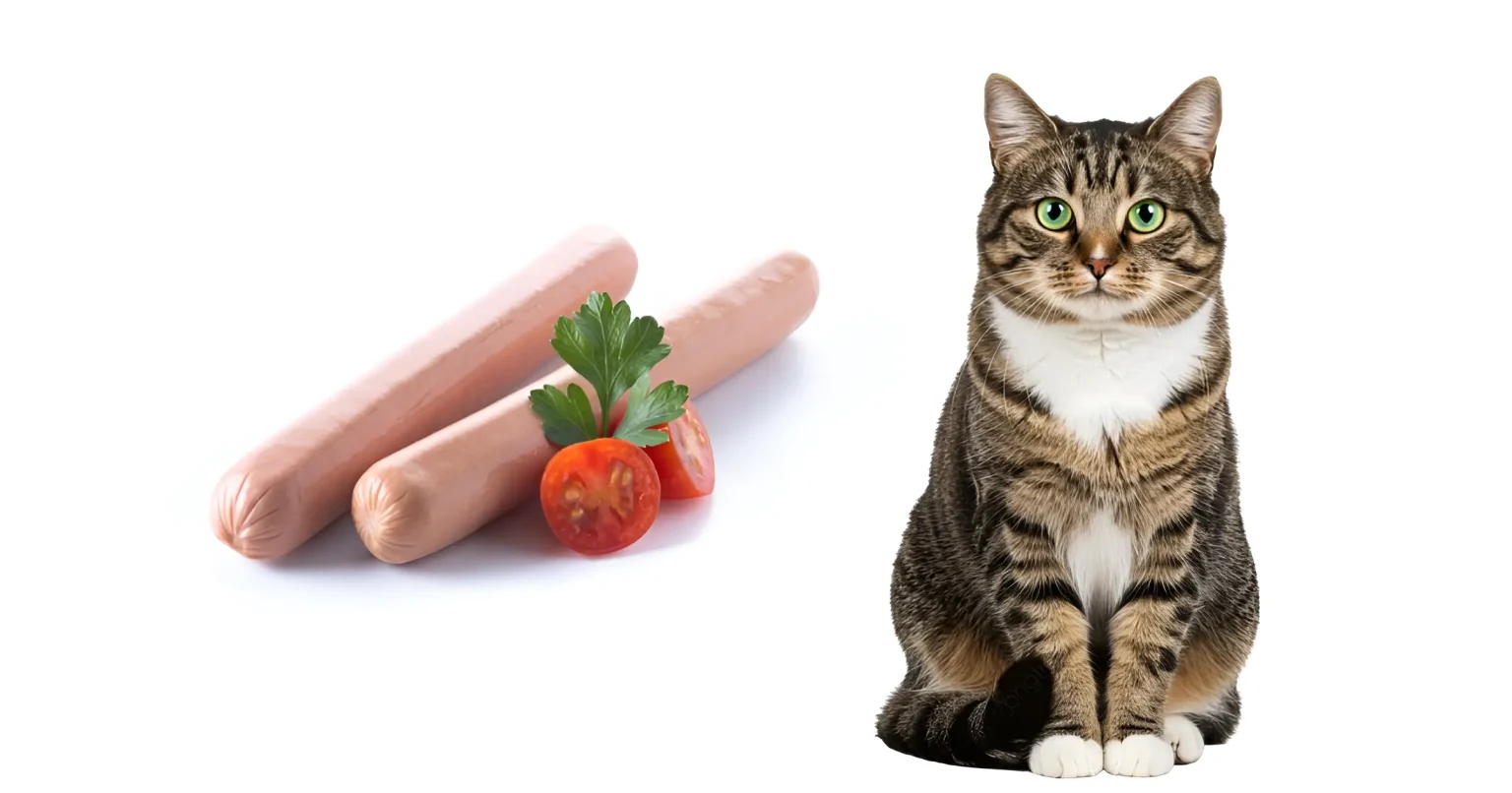
Cats are curious creatures, often intrigued by the foods we eat. As a pet owner, you may find yourself wondering whether certain human foods are safe for your feline friend. Can cats eat vienna sausage, One such food that commonly raises questions is Vienna sausage. These small, processed sausages are popular for human consumption, but are they suitable for cats? In this comprehensive guide, we will explore whether cats can eat Vienna sausages, potential risks, nutritional considerations, and safer alternatives to treat your cat.
What Are Vienna Sausages?
Vienna sausages, also known as wieners or frankfurters, are a type of processed meat usually made from a combination of pork, beef, or chicken. They are fully cooked, canned, and often preserved with salt, spices, and other additives. While convenient for humans as a quick snack, these sausages contain ingredients that may not be ideal for a cat’s digestive system.
Cats are obligate carnivores, meaning their diet should consist primarily of protein derived from animal meat. While Vienna sausages do contain protein, the processing methods, additives, and high sodium content make them unsuitable as a regular part of a cat’s diet.
Nutritional Content of Vienna Sausages
Understanding the nutritional profile of Vienna sausages can help clarify why they are not recommended for cats. On average, a single Vienna sausage may contain:
- Protein: 3-5 grams
- Fat: 4-6 grams
- Sodium: 200-300 mg
- Preservatives: Sodium nitrate, sodium nitrite
- Additives: Flavor enhancers, sugar, and spices
While protein is essential for cats, the high sodium content can be dangerous. Cats have a lower tolerance for salt compared to humans, and consuming foods with high sodium levels can lead to dehydration, kidney stress, and, in extreme cases, sodium poisoning.
Moreover, the preservatives and additives in Vienna sausages can irritate a cat’s digestive system. Cats are sensitive to certain spices and flavorings commonly found in processed meats, which can cause vomiting, diarrhea, or gastrointestinal discomfort.
Can Cats Eat Vienna Sausages?
The short answer is technically yes, but it’s not recommended. A tiny piece of Vienna sausage is unlikely to harm a healthy adult cat, but it should never become a regular part of their diet. Occasional small bites as a treat might not cause immediate problems, but repeated feeding can lead to serious health issues.
Risks of Feeding Vienna Sausages to Cats
- High Sodium Levels: Cats are prone to dehydration and kidney problems if exposed to excessive salt. Vienna sausages contain significantly more sodium than what is safe for feline consumption.
- Additives and Preservatives: Ingredients like sodium nitrite and artificial flavors can upset your cat’s digestive system and, over time, may contribute to long-term health problems.
- Low Nutritional Value: While they contain protein, Vienna sausages are not balanced for a cat’s dietary needs. They lack essential nutrients such as taurine, which is crucial for heart and eye health in cats.
- Digestive Issues: Cats have sensitive stomachs, and introducing processed human foods like Vienna sausages can lead to vomiting, diarrhea, or bloating.
How to Safely Treat Your Cat
If you want to give your cat an occasional snack, it’s best to choose foods specifically designed for cats or small portions of unseasoned cooked meat. Here are safer alternatives:
- Cooked chicken or turkey: Boiled or baked without salt or seasoning.
- Small portions of cooked fish: Avoid bones and seasoning.
- Cat-specific treats: Commercially available treats are formulated for feline nutrition.
Feeding treats in moderation is key. Treats should make up no more than 5-10% of your cat’s daily calorie intake to avoid nutritional imbalances and weight gain.
What to Do If Your Cat Eats Vienna Sausage
If your cat accidentally eats a small piece of Vienna sausage, monitor them for any unusual symptoms, such as:
- Vomiting or diarrhea
- Excessive thirst or urination
- Lethargy or signs of discomfort
In most cases, a tiny piece won’t cause serious problems. However, if your cat consumes a significant amount or shows severe symptoms, contact your veterinarian immediately.
It’s always better to err on the side of caution with human foods, especially processed meats that are high in salt and additives.
Why Cats Are Sensitive to Human Foods
Cats have unique dietary needs that make them different from humans and even other pets like dogs. Being obligate carnivores, cats require specific nutrients, including:
- Taurine: Essential for vision, heart health, and reproduction.
- Arachidonic acid: A type of fatty acid found in animal fats.
- Vitamin A: Cats cannot convert beta-carotene from plants into vitamin A.
Processed human foods, including Vienna sausages, often lack these nutrients or contain them in insufficient amounts. Feeding your cat foods that do not meet these requirements can lead to long-term deficiencies and health problems.
Homemade Alternatives to Vienna Sausages for Cats
If your cat enjoys the taste of meat snacks, you can create homemade, safe alternatives:
- Chicken Bites: Boil chicken breast, cut into small pieces, and serve plain.
- Turkey Strips: Oven-bake thin turkey slices without seasoning.
- Fish Snacks: Cooked salmon or white fish, free of bones and salt.
These alternatives provide protein without harmful additives and are far healthier than processed sausages. They also allow you to control portion sizes and avoid potential health risks.
Common Myths About Cats and Human Foods
There are many myths surrounding cats and human food. Some owners believe that cats can safely eat all kinds of meat or processed snacks, but this is misleading and potentially harmful.
Myth 1: Cats Can Eat Anything We Eat
Not all human foods are safe for cats. Ingredients like onions, garlic, chocolate, caffeine, and high-sodium foods can be toxic. Even small amounts of processed meats can accumulate harmful effects over time.
Myth 2: Protein Alone Is Enough
While cats need protein, they also require specific amino acids like taurine and arginine. Vienna sausages may provide protein, but they lack essential amino acids and other nutrients vital for feline health.
Myth 3: Occasional Treats Are Harmless
While a tiny bite may not immediately harm your cat, making a habit of feeding processed foods increases the risk of obesity, kidney disease, and digestive issues. Treats should always be nutritionally safe and limited in quantity.
Feeding Guidelines for Cats
To keep your cat healthy, follow these general feeding guidelines:
- Stick to a high-quality commercial cat food as the main diet.
- Limit treats to no more than 10% of daily caloric intake.
- Avoid processed human foods with salt, sugar, or spices.
- Provide fresh water at all times.
By adhering to these guidelines, you ensure your cat receives balanced nutrition while still enjoying occasional treats safely.
FAQs About Cats and Vienna Sausages
Q1: Can kittens eat Vienna sausages?
No, kittens have even more sensitive digestive systems than adult cats. Vienna sausages are not suitable for kittens due to high sodium content and lack of essential nutrients.
Q2: What happens if my cat eats too many Vienna sausages?
Overconsumption can lead to vomiting, diarrhea, dehydration, high blood pressure, and kidney strain. In severe cases, it may require immediate veterinary attention.
Q3: Are there any safe processed meats for cats?
Commercial cat treats or freeze-dried meat products designed for feline consumption are safe. Human-processed meats are not recommended due to additives and high salt content.
Q4: How often can I give my cat a tiny piece of Vienna sausage?
It’s best to avoid it entirely. If given accidentally, limit it to a single small bite on rare occasions and monitor for any adverse reactions.
Q5: Can Vienna sausages replace cat food?
Absolutely not. Vienna sausages do not provide the nutrients cats need to thrive and should never replace a balanced feline diet.
Final Thoughts
While Vienna sausages may seem like a harmless snack, they are not suitable for cats due to their high sodium content, preservatives, and lack of essential nutrients. Occasional accidental bites are unlikely to harm a healthy adult cat, but regular feeding can lead to serious health issues.
As a responsible cat owner, it’s best to stick to foods formulated for cats or safe, unseasoned meats. Treats should be given sparingly and in moderation to support a healthy, long life for your feline companion.
Understanding your cat’s dietary needs and avoiding processed human foods like Vienna sausages is the best way to ensure they remain healthy, happy, and energetic for years to come.
For More Visits: Animalsinfo
Also Read: Can Dogs Eat Vegemite? Safe & Powerful Guide 2026