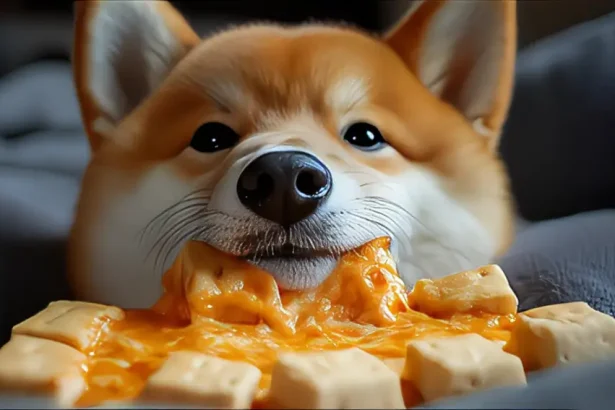



Dogs are naturally curious and often show interest in the foods we enjoy. One popular human treat that often attracts canine attention is Nutella, a sweet chocolate-hazelnut spread loved by many. Can dogs eat nutella, While it may be tempting to share a little with your furry friend, it’s important to understand whether Nutella is safe for dogs and the potential risks involved. In this guide, we’ll explore the nutritional content of Nutella, the dangers it poses to dogs, safe alternatives, and practical advice for dog owners.
What Is Nutella?
Nutella is a widely popular spread made from sugar, palm oil, hazelnuts, cocoa, and skimmed milk powder. Its creamy texture and chocolate flavor make it a favorite in desserts, breakfasts, and snacks. While humans enjoy it in moderation, Nutella is not designed for canine consumption.
Dogs have very different digestive systems than humans. Certain ingredients in Nutella, particularly chocolate, can be toxic to dogs, even in small amounts. Understanding what goes into Nutella helps explain why it’s dangerous for dogs and why it should be avoided.
Nutritional Content of Nutella
A typical serving of Nutella (about 2 tablespoons) contains:
- Calories: ~200
- Sugar: 21 grams
- Fat: 11 grams
- Protein: 2 grams
- Chocolate (cocoa): Contains theobromine
The primary concerns for dogs are sugar, fat, and chocolate. Dogs cannot metabolize theobromine, a compound in chocolate, effectively. Even small amounts of theobromine can lead to serious health issues, making chocolate one of the most common toxic substances for dogs.
Why Nutella Is Dangerous for Dogs
There are several reasons why Nutella is unsafe for dogs:
1. Chocolate Toxicity
Chocolate contains theobromine and caffeine, both of which are toxic to dogs. The amount of theobromine varies with the type of chocolate, but Nutella, made with milk chocolate, still contains enough to pose risks, especially for small breeds. Symptoms of chocolate toxicity include:
- Vomiting and diarrhea
- Rapid or irregular heartbeat
- Hyperactivity or restlessness
- Tremors or seizures
- In severe cases, organ failure or death
Even one spoonful of Nutella can be dangerous for a small dog, so it’s crucial to avoid feeding it altogether.
2. High Sugar Content
Nutella contains a lot of sugar, which dogs don’t require in their diet. Excessive sugar intake can lead to:
- Obesity
- Diabetes
- Dental problems
- Pancreatitis
Regular consumption of sugary foods can severely affect a dog’s long-term health, even if the treat doesn’t immediately cause symptoms.
3. High Fat Content
Nutella is also high in fat. While dogs do need fat in their diet, processed and refined fats can be harmful in excess. Consuming high-fat foods can lead to:
- Gastrointestinal upset
- Diarrhea and vomiting
- Pancreatitis, a potentially life-threatening inflammation of the pancreas
High-fat foods like Nutella should never be a regular part of a dog’s diet.
4. Artificial Ingredients
Nutella contains additives like emulsifiers, palm oil, and flavorings that may not be safe for dogs. Some additives can irritate the digestive system, leading to upset stomach, diarrhea, or other complications.
Can Dogs Have a Tiny Bite?
While a very tiny lick of Nutella may not immediately harm a large dog, it is still risky and unnecessary. Dogs do not need chocolate or hazelnut spreads for their nutrition or happiness. Even small bites can set a precedent for begging behavior, which may lead to more dangerous indulgences later.
Small dogs are especially vulnerable because their lower body weight means even a tiny amount of chocolate can reach toxic levels quickly.
What To Do If Your Dog Eats Nutella
If your dog accidentally eats Nutella, the action to take depends on the amount consumed and the size of your dog:
- Assess the amount: Determine roughly how much Nutella your dog ate.
- Observe for symptoms: Watch for vomiting, diarrhea, restlessness, or rapid heartbeat.
- Call a veterinarian immediately: Even small amounts of chocolate can be dangerous. Your vet may recommend inducing vomiting or monitoring at the clinic.
- Do not try to treat at home: Avoid remedies that are not approved by a professional, as chocolate toxicity can escalate quickly.
Prompt action can save your dog from serious complications.
Safe Treat Alternatives for Dogs
Instead of Nutella, there are many dog-safe treats that are both delicious and healthy. Some options include:
- Peanut butter (unsweetened, xylitol-free): High in protein and fat, dogs usually love it.
- Pumpkin puree: Good for digestion and low in calories.
- Apple slices: Provide vitamins and fiber (remove seeds).
- Carrot sticks or green beans: Crunchy, low-calorie snacks.
- Commercial dog treats: Designed to be safe, nutritious, and satisfying for dogs.
Using these alternatives satisfies your dog’s desire for a treat without the risks associated with chocolate or sugar.
Why Dogs Are Sensitive to Chocolate
Dogs metabolize theobromine much slower than humans, which is why chocolate is toxic to them. While humans can enjoy chocolate safely in moderation, the same amounts can cause severe symptoms in dogs, ranging from mild digestive upset to fatal toxicity.
Even milk chocolate, which contains less theobromine than dark chocolate, poses a risk. The severity depends on your dog’s size, age, and overall health, but there is no safe amount of chocolate for dogs to consume regularly.
Myths About Dogs and Chocolate
There are several common misconceptions:
- Myth 1: Dogs can eat milk chocolate safely.
Even small amounts of milk chocolate, like Nutella, can be dangerous, especially for small breeds. - Myth 2: Chocolate only affects some dogs.
All dogs are susceptible to theobromine toxicity. Some breeds are more sensitive, but no dog is entirely immune. - Myth 3: If a dog seems fine, chocolate is harmless.
Symptoms may appear hours later. Delayed reactions can include tremors, rapid heartbeat, or seizures.
Feeding Guidelines for Dogs
To keep your dog healthy:
- Stick to a nutritionally balanced dog diet.
- Avoid feeding any human foods containing chocolate, caffeine, or xylitol.
- Limit treats to 10% of daily caloric intake.
- Provide fresh water at all times.
Following these guidelines prevents accidental poisoning and supports long-term health.
FAQs About Dogs and Nutella
Q1: Can puppies eat Nutella?
No. Puppies are even more sensitive to chocolate and sugar than adult dogs. Nutella can be extremely harmful to them.
Q2: What should I do if my dog eats a whole jar of Nutella?
Call your veterinarian immediately. Eating a large amount of chocolate can be fatal, especially for small dogs. Emergency treatment is necessary.
Q3: Are hazelnuts in Nutella dangerous for dogs?
While hazelnuts themselves are not highly toxic, they can be hard for dogs to digest and may cause gastrointestinal upset. Combined with chocolate and sugar, the risk increases significantly.
Q4: Can dogs eat chocolate-free Nutella?
Even chocolate-free spreads may contain high sugar and fat, making them unsuitable. Always check ingredients and consult a vet.
Q5: How can I safely share treats with my dog?
Use dog-specific treats or safe human foods like plain peanut butter, boiled chicken, or fruits such as apples and blueberries.
Final Thoughts
Nutella is not safe for dogs due to its chocolate, sugar, fat, and additives. Even small amounts can cause digestive issues or toxicity, while large amounts may be life-threatening. As a responsible dog owner, it’s best to avoid Nutella entirely and focus on safe, dog-friendly treats that provide nutrition and enjoyment.
Your dog’s health and happiness depend on careful dietary choices. By avoiding hazardous foods like Nutella and offering safe alternatives, you ensure your canine companion lives a long, healthy, and active life.
For More Visits: Animalsinfo
Also Read: Can Cats eat Vienna Sausage Safely: 5 Tips for 2026