


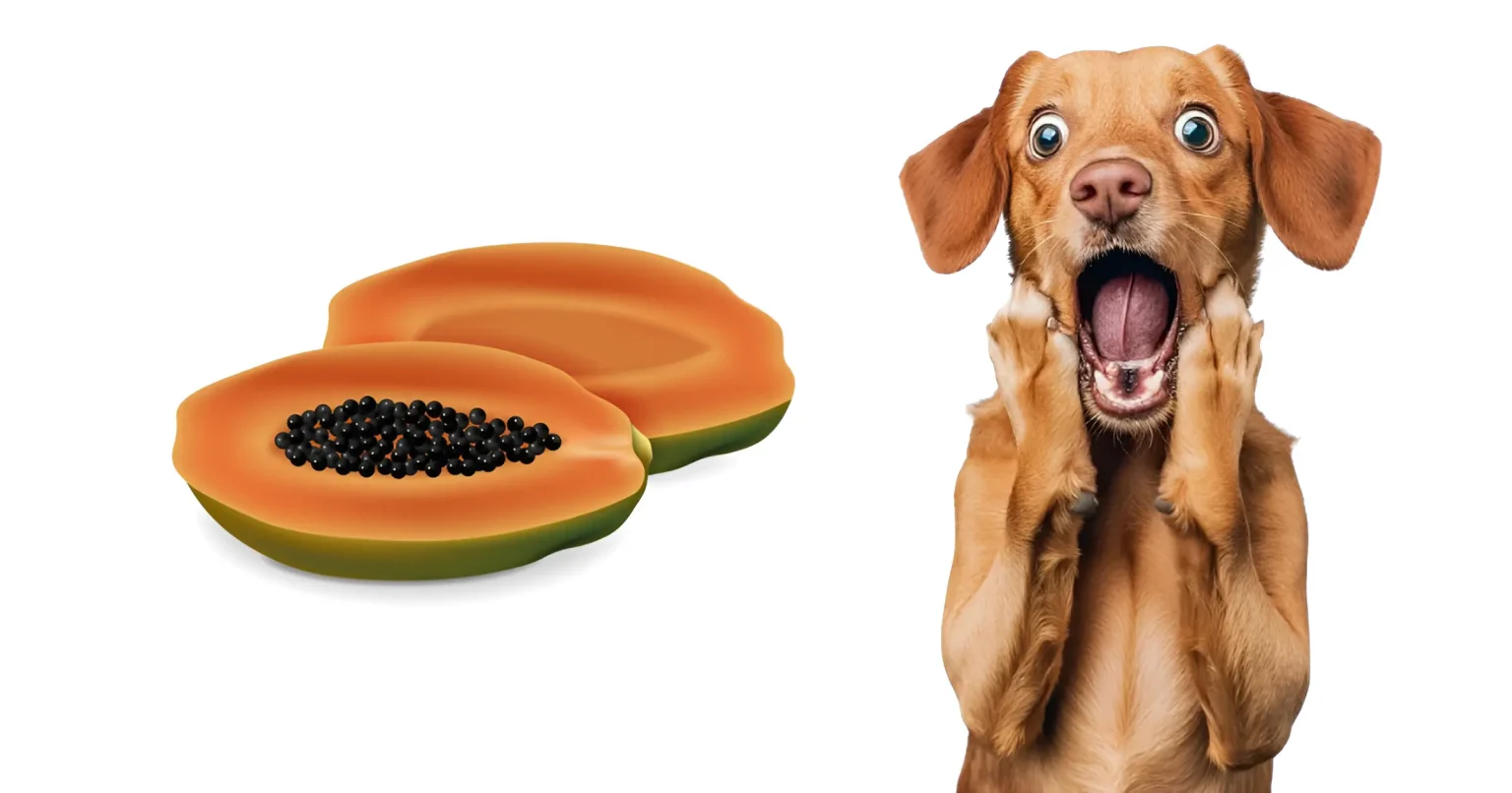
Dog owners often want to share healthy foods with their pets, especially fruits that are already part of their own diet. Papaya is one such fruit that raises curiosity. Its bright color, sweet taste, and soft texture make it appealing, but many people hesitate before offering it to their dogs. The most common question is simple yet important: can dogs have papaya?
The short answer is yes, dogs can eat papaya, but only when it is prepared correctly and given in moderation. Like many fruits, papaya can be beneficial, but it can also cause problems if fed the wrong way or in excessive amounts. Understanding how papaya affects dogs helps owners make safer and smarter feeding decisions.
Understanding Papaya as a Fruit
Papaya is a tropical fruit known for its sweet flavor and soft flesh. It contains natural enzymes, fiber, and vitamins that support digestion and overall health in humans. Because dogs and humans digest food differently, not every human-safe food automatically becomes dog-safe.
Dogs are primarily meat-based eaters, but they can digest certain fruits and vegetables when offered properly. Papaya falls into the category of fruits that are generally safe for dogs, provided the seeds, skin, and large quantities are avoided.
Is Papaya Safe for Dogs?
Papaya flesh itself is safe for dogs to eat. The soft orange portion of ripe papaya does not contain toxins harmful to dogs. However, safety depends heavily on preparation and portion size.
Unripe papaya, papaya seeds, and papaya skin can create digestive issues. Seeds contain compounds that may cause intestinal irritation, while the skin is tough and difficult for dogs to digest. This means only the ripe flesh should be offered.
When given occasionally and in small amounts, papaya can be a healthy treat rather than a regular meal replacement.
Health Benefits of Papaya for Dogs
Papaya offers several nutritional benefits that can support a dog’s overall well-being when fed responsibly.
One of the most notable benefits is digestive support. Papaya contains natural enzymes that help break down proteins. For dogs that struggle with mild digestive discomfort or slow digestion, a small amount of papaya may help improve bowel movement regularity.
Fiber is another important component. Papaya’s fiber content can help maintain healthy digestion and support gut health. Dogs experiencing occasional constipation may benefit from small servings.
Papaya also contains vitamins that support immune function and skin health. While dogs get most of their required nutrients from balanced dog food, occasional fruit treats like papaya can provide variety and enrichment.
The fruit’s high water content may also help with hydration, especially during warmer months, though it should never replace fresh water.
How Much Papaya Can Dogs Eat?
Moderation is essential when feeding papaya to dogs. Even healthy fruits can cause stomach upset if eaten in large quantities.
Small dogs should only be given a few bite-sized pieces at a time. Medium-sized dogs can handle slightly more, while large dogs may tolerate a few cubes. Papaya should always be treated as a snack, not a meal.
Too much papaya can lead to diarrhea due to its fiber content and natural sugars. Introducing papaya slowly allows you to observe how your dog reacts before making it an occasional treat.
How to Prepare Papaya for Dogs
Preparation plays a key role in making papaya safe for dogs. The fruit should always be ripe, as unripe papaya can be harder to digest.
First, remove the skin completely. The outer skin is tough and poses a choking hazard. Next, remove all seeds. Papaya seeds are not suitable for dogs and can cause digestive irritation.
Cut the flesh into small, manageable pieces appropriate for your dog’s size. Soft textures reduce choking risks and make digestion easier.
Papaya should be served plain. Do not add sugar, spices, or yogurt toppings meant for humans. Dogs benefit most from simple, unseasoned food.
Can Puppies Eat Papaya?
Puppies have more sensitive digestive systems than adult dogs. While papaya is not toxic, it is better to be extra cautious.
If you want to offer papaya to a puppy, wait until they are eating solid foods comfortably and have no digestive issues. Start with an extremely small amount and watch closely for any signs of stomach upset.
Because puppies require very specific nutrition for growth, treats like papaya should be minimal and never replace proper puppy food.
Possible Side Effects of Papaya in Dogs
Even though papaya is safe, some dogs may react differently. Digestive upset is the most common side effect. Symptoms may include loose stools, gas, or mild stomach discomfort.
Dogs with sensitive stomachs or food allergies may not tolerate papaya well. If your dog experiences vomiting, diarrhea, or unusual behavior after eating papaya, discontinue feeding it and return to their regular diet.
Dogs with diabetes or weight issues should only be given papaya in very small quantities due to its natural sugar content.
Can Dogs Eat Papaya Seeds?
Papaya seeds should not be fed to dogs. While they are sometimes promoted for human digestive health, they are not suitable for canine consumption.
The seeds are hard, bitter, and can irritate the digestive tract. They may also present a choking hazard, especially for smaller dogs. Always remove seeds completely before serving papaya.
Can Dogs Eat Dried Papaya?
Dried papaya is not recommended for dogs. Drying concentrates the sugar content, which increases the risk of digestive upset and weight gain.
Some dried papaya products also contain added sugars or preservatives that are unhealthy for dogs. Fresh papaya flesh is always the safer option.
Papaya Compared to Other Fruits for Dogs
Papaya is similar to fruits like mango, banana, and watermelon in terms of safety. All can be fed in moderation when properly prepared.
Compared to apples or blueberries, papaya is higher in sugar, which is why portion control matters. It is best used as an occasional treat rather than a frequent snack.
Variety is beneficial for dogs, but fruits should never make up a large part of their diet.
When Should Dogs Avoid Papaya?
Some dogs should avoid papaya altogether. Dogs with chronic digestive problems, pancreatitis, or strict veterinary diets may not tolerate fruit well.
If your dog has a medical condition or is on a special diet, consult your veterinarian before introducing papaya or any new food.
Older dogs may also have difficulty digesting new foods, so changes should be made slowly and carefully.
FAQs About Dogs and Papaya
Can dogs have papaya safely?
Yes, dogs can have papaya safely when it is ripe, seedless, peeled, and fed in small amounts.
Is papaya good for dogs’ digestion?
Papaya may support digestion due to its natural enzymes and fiber, but it should only be used occasionally.
How often can dogs eat papaya?
Papaya should be given occasionally, not daily. Once or twice a week in small portions is enough.
Can dogs eat papaya skin?
No, papaya skin should always be removed as it is tough and difficult for dogs to digest.
Are papaya seeds toxic to dogs?
Papaya seeds are not considered safe and should never be fed to dogs.
Can dogs eat frozen papaya?
Frozen papaya can be given in small amounts as long as it is plain, seedless, and cut into small pieces to prevent choking.
What should I do if my dog eats too much papaya?
If your dog eats too much papaya, monitor for diarrhea or stomach upset. Reduce fruit intake and provide plenty of water.
Is papaya better than other fruits for dogs?
Papaya is neither better nor worse. It is one of several fruits that can be safely offered in moderation.
Final Thoughts
So, can dogs have papaya? Yes, they can — when it is prepared correctly and fed responsibly. Papaya can be a tasty, refreshing treat that adds variety to your dog’s diet. Its digestive benefits and soft texture make it appealing, but moderation is key.
Papaya should never replace a balanced dog diet, and it should always be treated as an occasional snack. Paying attention to preparation, portion size, and your dog’s individual response ensures that papaya remains a positive addition rather than a problem.
Every dog is different, and what works for one may not work for another. By introducing papaya slowly and observing your dog’s reaction, you can decide whether this tropical fruit deserves a spot in your dog’s treat rotation.
For More Visits: Animalsinfo