


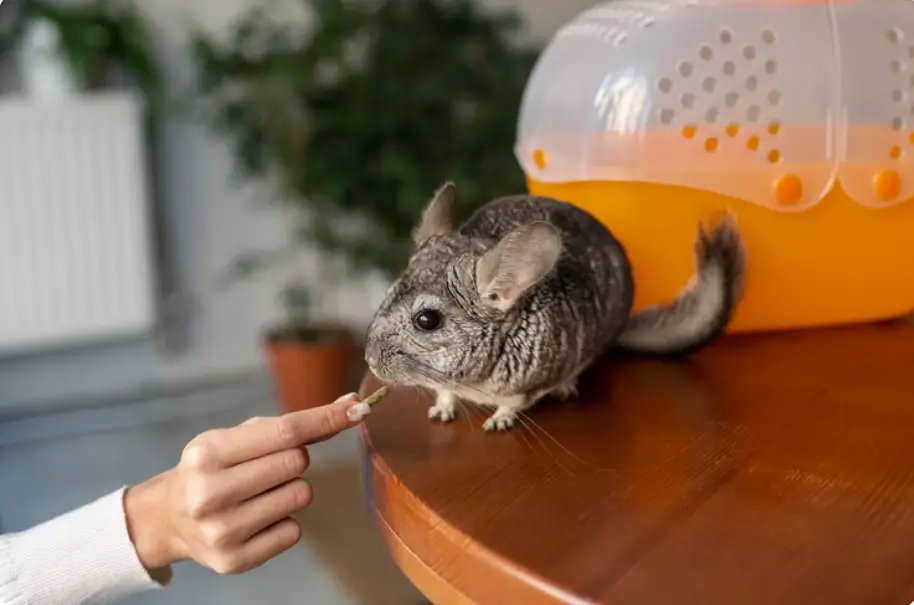
Can chinchillas get fleas, Chinchillas are small, delicate rodents known for their soft fur and gentle nature. As pets, they require specialized care, particularly when it comes to their hygiene and skin health. One common concern among chinchilla owners is the potential for flea infestations. While fleas are more commonly associated with dogs, cats, and other mammals, understanding whether chinchillas can get fleas, how to recognize infestations, and how to prevent them is critical for responsible pet ownership.
Are Chinchillas Susceptible to Fleas?
Chinchillas are not natural hosts for fleas in the same way that dogs and cats are. Their dense, soft fur makes it difficult for fleas to navigate and lay eggs, which reduces the likelihood of a severe infestation. Additionally, wild chinchillas in the Andes Mountains, where temperatures are cooler and conditions are dry, typically do not encounter fleas.
However, this does not mean chinchillas are completely immune. Fleas are opportunistic parasites and can affect any warm-blooded animal, including chinchillas, particularly if they live in a home with other pets that carry fleas. Puppies, kittens, or adult cats with active infestations can transmit fleas to a chinchilla if the environment is shared or contaminated.
Factors That Increase Flea Risk in Chinchillas
Certain conditions can make chinchillas more susceptible to fleas:
- Co-habitation with Other Pets: Dogs and cats with fleas can transfer the pests to a chinchilla cage or play area.
- Unsanitary Cage Conditions: Dirty bedding, unclean cages, or lack of regular cleaning increases the risk of fleas and other parasites.
- Contact With Infested Surfaces: Fleas can hitch a ride on clothing, blankets, or furniture and reach your chinchilla indirectly.
Despite the risk, flea infestations in chinchillas are rare, and their dense fur provides a natural barrier against these parasites.
Symptoms of Fleas in Chinchillas
Identifying fleas in chinchillas can be challenging because of their thick fur. Pet owners should watch for behavioral changes and subtle physical signs, including:
- Excessive Scratching or Biting: Fleas can irritate the skin, causing itching or discomfort.
- Red or Inflamed Skin: Areas of irritation may develop due to flea bites.
- Hair Loss: Persistent scratching can lead to patches of thinning fur or bald spots.
- Flea Dirt: Tiny black specks resembling dirt may appear on the fur, which is flea excrement.
- Restlessness or Agitation: A chinchilla bothered by fleas may be unusually fidgety or attempt to groom excessively.
Unlike dogs or cats, fleas may not thrive long-term on chinchillas, but even a small number can cause discomfort and lead to secondary skin infections if left untreated.
Differences Between Chinchilla Fleas and Other Pets
Fleas that infest dogs and cats, such as Ctenocephalides felis (cat flea), are capable of biting chinchillas, but they are not as well-adapted to this species. Chinchillas have dense fur that makes movement difficult for fleas, and the fur can prevent eggs from reaching the skin. In contrast, dogs and cats have thinner coats, which provide an ideal environment for flea reproduction.
Another key difference is temperature preference. Chinchillas naturally thrive in cooler, dry environments, whereas fleas prefer warm, humid conditions. This environmental mismatch reduces the likelihood of a widespread flea problem in chinchillas.
Treatment Options for Fleas in Chinchillas
If a chinchilla does develop fleas, prompt treatment is necessary. However, not all flea treatments used for dogs or cats are safe for chinchillas. Their sensitive skin and unique physiology require specific approaches:
1. Manual Removal
Fleas can be manually removed using a fine-toothed comb. Daily combing can help catch adult fleas before they reproduce. Fleas removed during combing should be placed in soapy water to prevent re-infestation.
2. Cleaning and Sanitizing the Environment
Cleaning the cage, bedding, and surrounding areas is crucial. Wash all fabrics in hot water, replace bedding, and vacuum any surfaces near the cage. This helps eliminate eggs, larvae, and adult fleas that could continue to bother your chinchilla.
3. Natural and Safe Treatments
Topical or chemical flea medications intended for dogs and cats can be toxic to chinchillas. Safe alternatives include:
- Diatomaceous Earth: Food-grade diatomaceous earth can be sprinkled on bedding to dehydrate fleas.
- Frequent Dust Baths: Chinchillas naturally maintain their fur with dust baths, which may reduce surface parasites.
- Natural Oils (With Caution): Some gentle essential oils may deter fleas, but many oils are toxic to chinchillas, so veterinary guidance is essential.
4. Veterinary Care
If an infestation is severe, a veterinarian experienced with exotic pets should be consulted. They can prescribe safe medications or treatments specifically formulated for small rodents. Never use flea products designed for cats or dogs without veterinary approval, as these can be fatal to chinchillas.
Prevention of Fleas in Chinchillas
Preventing fleas is far safer than treating an active infestation. Key prevention strategies include:
- Regular Cage Cleaning: Remove waste, old bedding, and debris at least once a week.
- Separate Housing From Infested Pets: Keep chinchillas away from animals with active flea problems.
- Inspect New Animals: Quarantine new pets or animals before introducing them to your home.
- Maintain Proper Environmental Conditions: Fleas thrive in warm, humid areas. Keeping chinchilla cages cool and dry discourages infestations.
- Monitor Grooming: Healthy chinchillas self-groom with dust baths, which reduces the risk of surface parasites.
Myths About Fleas in Chinchillas
There are several misconceptions that often confuse pet owners:
- Myth 1: Chinchillas Can’t Get Fleas at All – While uncommon, chinchillas can acquire fleas indirectly from other pets or contaminated environments.
- Myth 2: Dog Flea Treatments Are Safe – Many canine flea products contain chemicals that are toxic to chinchillas. Always consult a vet before applying any product.
- Myth 3: Fleas Are the Only Parasites to Worry About – Chinchillas may also be susceptible to mites, lice, or fungal infections, which require different treatments.
Signs Your Chinchilla is Healthy vs. Flea-Infested
Understanding the difference between normal behavior and signs of fleas is important:
- Healthy Chinchilla: Soft fur, bright eyes, regular grooming with dust baths, calm behavior, and normal stool.
- Flea-Infested Chinchilla: Excessive scratching, red or inflamed skin, hair loss, restlessness, and presence of flea dirt.
Regular observation and familiarity with your chinchilla’s typical behavior help detect early signs of flea problems before they escalate.
FAQs About Chinchillas and Fleas
Q1: How likely is it for a chinchilla to get fleas?
Flea infestations in chinchillas are rare, especially if they live in clean, controlled indoor environments without contact with infested animals.
Q2: Can human flea treatments be used on chinchillas?
No. Human and canine flea treatments can be toxic to chinchillas. Only treatments specifically approved by a veterinarian should be used.
Q3: How can I tell if my chinchilla has fleas?
Look for signs like excessive scratching, red or inflamed skin, hair loss, restlessness, and small black specks (flea dirt) in their fur.
Q4: Can fleas survive in a chinchilla’s dense fur?
Fleas can occasionally survive on a chinchilla, but the dense, fine fur makes it difficult for them to reproduce and establish a long-term infestation.
Q5: Are there long-term effects of flea infestations in chinchillas?
Severe infestations can cause skin infections, anemia, and stress-related behaviors. Early detection and treatment prevent these complications.
Q6: Can dust baths prevent fleas?
While dust baths don’t kill fleas directly, they help keep fur clean and reduce surface parasites. They are a key part of maintaining a healthy coat.
Q7: What is the safest way to treat fleas in a chinchilla?
The safest approach is to consult an exotic animal veterinarian for guidance. Environmental cleaning, manual removal, and vet-approved treatments are preferred.
Conclusion
Chinchillas are not typical hosts for fleas, but infestations can occur under certain conditions, particularly when there is contact with infested pets or contaminated environments. Flea problems in chinchillas are uncommon, and their dense fur provides a natural barrier that protects them from long-term infestations.
Preventing fleas through regular cage cleaning, proper isolation from infested animals, and observation of behavior is critical. If fleas are suspected, prompt veterinary care, safe manual removal, and environmental sanitation are necessary to protect your chinchilla’s health.
By understanding the risks, identifying symptoms early, and implementing preventive measures, pet owners can ensure their chinchillas remain healthy, comfortable, and free from parasites. While fleas are a rare concern, proactive care and monitoring are essential for maintaining the wellbeing of these delicate and cherished pets.
For More Visits: Animalsinfo
Also Read: Benadryl for Dogs: Top 5 Safe Uses 2026