


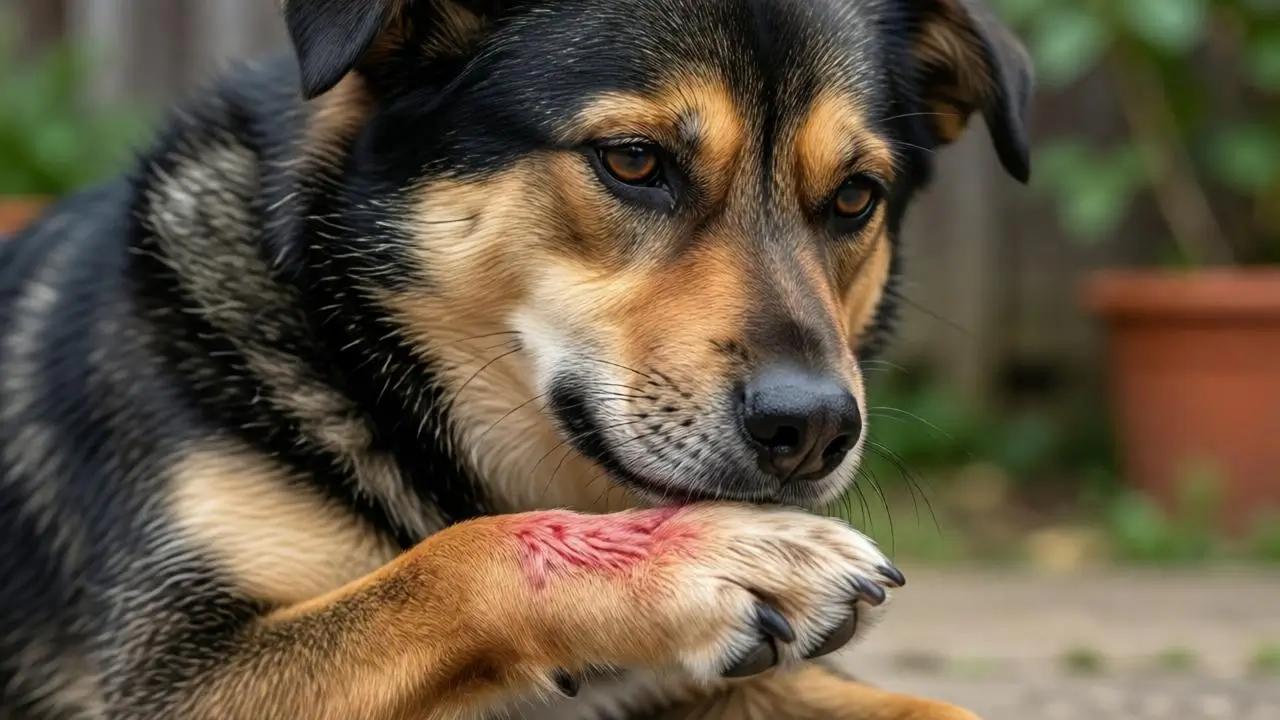
Itchy skin in dogs is a common concern that can cause both discomfort for your pet and frustration for owners. When a dog scratches, licks, or bites itself constantly, it’s a signal that something is irritating the skin. Understanding why your dog’s skin is itchy is the first step to relieving their discomfort and maintaining long-term skin health.
Itchy skin is not a disease in itself but a symptom. It can result from allergies, parasites, infections, dietary issues, or environmental factors. Left untreated, persistent itching can lead to hair loss, hot spots, and secondary infections. This comprehensive guide explores the causes of itchy skin in dogs, signs to look for, treatment options, and prevention strategies to keep your dog comfortable.
Common Causes of Itchy Skin in Dogs
Understanding the underlying cause is crucial when addressing itchy skin in dogs. Some of the most frequent causes include:
Allergies
Allergies are among the most common reasons dogs develop itchy skin. There are several types:
- Environmental Allergies (Atopy): Dogs can be sensitive to pollen, dust mites, mold, or chemicals. These allergens trigger itching, usually around the face, paws, and belly. Symptoms often worsen seasonally, depending on exposure to triggers.
- Food Allergies: Certain proteins or ingredients in dog food, like beef, chicken, or dairy, can cause skin reactions. Food-related itching often starts around the ears, paws, and underbelly.
- Flea Allergies: Even a single flea bite can trigger intense itching in sensitive dogs. Flea allergy dermatitis often results in biting or scratching the rear, tail base, and thighs.
Parasites
External parasites are another major cause of itchy skin in dogs. Common culprits include fleas, ticks, mites, and lice. Infestations can lead to continuous scratching, hair loss, and skin infections. Scabies, caused by the mite Sarcoptes scabiei, is particularly irritating and highly contagious among dogs.
Infections
Bacterial and fungal infections can cause significant itching. Secondary infections often develop after a dog scratches excessively, creating breaks in the skin. Yeast infections, particularly in the ears or folds of the skin, can lead to persistent scratching and odor.
Dry Skin
Environmental factors, such as low humidity or frequent bathing, can cause dry skin. Dry skin tends to itch, flake, and become more sensitive to allergens or irritants. Dogs with naturally dry coats may require additional moisturization or specialized diets rich in fatty acids.
Hormonal Disorders
Certain hormonal conditions, like hypothyroidism or Cushing’s disease, can affect the skin and coat, making dogs more prone to itching. Hormonal imbalances often present with other symptoms, such as weight changes, lethargy, or hair thinning.
Stress and Anxiety
Behavioral factors can also contribute to itching. Dogs experiencing anxiety or stress may lick, chew, or scratch themselves excessively, sometimes leading to hair loss and inflamed skin.
Recognizing Symptoms of Itchy Skin
Itchy skin in dogs can present in several ways. Some signs are obvious, while others are more subtle. Look for:
- Persistent scratching, licking, or biting
- Redness or inflammation of the skin
- Hair loss or thinning fur
- Flaky, dry patches or dandruff
- Hot spots or scabs
- Odor, particularly in areas affected by yeast infections
- Restlessness or irritability
Observing where your dog scratches most frequently can provide clues about the cause. For instance, itching around the paws may indicate environmental allergens or food sensitivities, while scratching near the tail often points to fleas.
Diagnosing the Cause
Proper diagnosis is essential to treat itchy skin effectively. Veterinarians typically start with a physical examination and review of your dog’s history. They may also recommend:
- Skin scrapings: To detect mites or other parasites
- Flea combing: To check for flea infestation
- Allergy testing: To identify environmental allergens
- Diet trials: To pinpoint food allergies
- Blood tests: To assess hormonal or immune-related issues
Accurate diagnosis ensures that treatment targets the root cause rather than just masking symptoms.
Treatment Options for Itchy Skin in Dogs
Treatment depends on the underlying cause. Common approaches include:
Parasite Control
If fleas or mites are the cause, controlling the infestation is critical. This may involve topical treatments, oral medications, or medicated shampoos. Maintaining a clean environment, including bedding and living areas, is also essential to prevent reinfestation.
Medications
- Antihistamines: Can reduce mild allergic reactions and itching.
- Steroids: Used for severe inflammation but should be short-term due to side effects.
- Antibiotics or antifungals: Prescribed if a bacterial or yeast infection is present.
Medications often provide temporary relief while long-term solutions, such as diet changes or environmental adjustments, take effect.
Special Shampoos
Medicated shampoos can soothe irritated skin, remove allergens, and control infections. Ingredients like oatmeal, aloe vera, or chlorhexidine are commonly used to reduce inflammation and moisturize the skin.
Dietary Management
For dogs with food allergies, switching to a hypoallergenic or limited-ingredient diet can be transformative. Novel proteins like duck, venison, or fish, paired with a single carbohydrate source, often reduce allergic reactions. Omega-3 and omega-6 fatty acids are particularly beneficial for reducing inflammation and improving coat quality.
Preventing Itchy Skin in Dogs
Preventive care is crucial for dogs prone to itchy skin. Strategies include:
- Regular Grooming: Brushing removes loose hair, prevents matting, and helps detect skin issues early.
- Flea and Tick Control: Consistent parasite prevention reduces the risk of flea allergy dermatitis.
- Dietary Support: Feeding high-quality, nutrient-rich food with essential fatty acids can improve skin health.
- Environmental Management: Reducing exposure to dust, pollen, and chemical irritants can prevent flare-ups.
- Routine Vet Visits: Regular checkups help catch underlying conditions like hormonal imbalances or chronic infections early.
Consistency in these preventive measures significantly reduces the likelihood of recurring skin issues.
Home Care Tips
Home care plays an important role in managing itchy skin. Some tips include:
- Bathing: Use gentle, hypoallergenic shampoos to cleanse the skin without stripping natural oils. Avoid over-bathing, which can worsen dryness.
- Moisturizing: Use vet-approved conditioners or sprays to maintain skin hydration.
- Monitoring Behavior: Watch for excessive licking or chewing, which can indicate worsening irritation.
- Limiting Stress: Providing toys, exercise, and attention can reduce anxiety-related scratching.
Effective home care works best in combination with veterinary guidance.
When to See a Veterinarian
Immediate veterinary care is recommended if your dog exhibits:
- Severe itching or self-trauma
- Open sores, bleeding, or hot spots
- Foul odor from the skin
- Lethargy or behavioral changes
- Recurring issues despite home care
Early intervention prevents complications, speeds recovery, and reduces discomfort for your dog.
Frequently Asked Questions (FAQs)
Why is my dog scratching all the time?
Excessive scratching can result from allergies, parasites, infections, dry skin, or stress. Identifying the root cause is essential for effective treatment.
Can itchy skin be a sign of food allergies?
Yes. Food allergies often manifest as chronic itching, especially around the ears, paws, and underbelly.
Are some breeds more prone to itchy skin?
Yes. Breeds with sensitive skin, long hair, or thick undercoats, like Golden Retrievers, Bulldogs, and Terriers, may be more susceptible.
How long does it take to treat itchy skin?
Treatment timelines vary depending on the cause. Parasite control or medication may provide relief in days, while diet-related allergies can take several weeks to show improvement.
Can home remedies help?
Some remedies, like oatmeal baths or soothing sprays, can reduce discomfort. However, persistent or severe cases require veterinary attention.
Will itchy skin go away on its own?
Mild cases may improve temporarily, but chronic or severe itching rarely resolves without addressing the underlying cause.
Conclusion
Itchy skin in dogs is a common but serious concern. While mild irritation may appear minor, chronic itching can lead to hair loss, infection, and significant discomfort. Understanding the causes, recognizing symptoms early, and addressing the root problem are essential steps in managing your dog’s skin health.
Proper veterinary care, combined with preventive strategies like grooming, parasite control, and dietary management, can significantly reduce itchiness and improve quality of life. High-quality nutrition, enriched with essential fatty acids and limited allergens, plays a central role in maintaining a healthy skin barrier.
By monitoring your dog, maintaining a supportive environment, and responding promptly to skin irritation, you can help your dog enjoy comfortable, healthy, and itch-free days. Recognizing that itchy skin is a symptom rather than just a nuisance ensures that you provide the care your dog truly needs.
For More Visits: Animalsinfo
Also Read: Best Dog Food for Skin Allergies Happy Ultimate 2026