

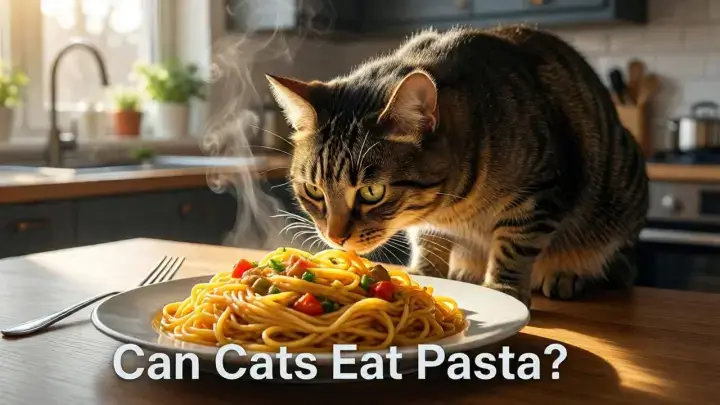
Cats are naturally curious creatures, often interested in what their owners are eating. It is not uncommon for a cat to stare at a plate of pasta, paw at it, or even try to nibble a small piece. This curiosity raises an important question for pet owners: can cats eat pasta?
The short answer is yes, cats can eat pasta in very small amounts. Plain, cooked pasta is not toxic to cats and will not harm them if consumed occasionally. However, pasta does not provide meaningful nutrition for felines. Cats are obligate carnivores, which means they rely primarily on animal-based proteins and nutrients. Foods like pasta, which are carbohydrate-rich and plant-based, do not contribute to their dietary needs.
Understanding how pasta affects cats, when it may be safe to offer, and what precautions to take can help owners make informed decisions about sharing human food. This guide covers everything cat owners need to know about pasta and cats.
Understanding a Cat’s Natural Diet
Cats are obligate carnivores, meaning their bodies are designed to thrive on animal-based nutrients. In the wild, cats hunt small prey like rodents, birds, and insects, which supply the protein, fat, and amino acids essential for their survival.
One critical nutrient found in meat is taurine, an amino acid that supports heart function, vision, and reproduction. Cats cannot produce enough taurine on their own, which is why a diet high in animal protein is essential.
Unlike humans, cats have no dietary requirement for carbohydrates. While they can digest small amounts of starch, their bodies do not use it efficiently as an energy source. High-carbohydrate foods like pasta provide minimal benefit and can contribute to digestive issues or weight gain if consumed in excess.
Commercial cat foods are formulated to provide complete nutrition, including the right balance of protein, fat, vitamins, and minerals. Treats like pasta should only be considered an occasional indulgence rather than part of a regular diet.
Is Pasta Safe for Cats?
Plain, cooked pasta is generally safe for cats in moderation. A small piece of boiled pasta poses little risk and will not harm your pet. Cats may nibble on a bit of pasta out of curiosity or because of the texture, but they usually do not have a taste preference for starchy foods.
Cats cannot taste sweetness, so pasta is unlikely to be appealing based on flavor alone. Instead, they may enjoy it because of the texture or simply because it is food their human is handling.
However, pasta prepared with sauces, oils, garlic, onions, cheese, or other ingredients can be dangerous for cats. Certain foods commonly added to pasta, such as garlic and onion, are toxic to cats. Sauces high in salt or spices can also cause digestive upset.
Therefore, only plain pasta without additives should ever be offered as a treat.
Nutritional Components of Pasta
Pasta is primarily composed of carbohydrates, with small amounts of protein depending on the type of flour used. For humans, it provides energy, fiber, and some B vitamins.
For cats, however, pasta offers minimal nutritional value. While a tiny piece of pasta will not harm your cat, it does not supply essential nutrients like taurine, arginine, or certain vitamins that cats must get from animal sources.
Carbohydrates in pasta may provide a minor source of energy, but cats have limited ability to digest and use carbohydrates efficiently. Excessive pasta consumption can lead to weight gain and may even contribute to obesity if offered regularly.
In short, pasta is safe in tiny amounts but does not offer meaningful benefits for a cat’s health.
Why Some Cats Are Interested in Pasta
Cats are naturally curious animals. They often investigate what their owners are eating, regardless of whether the food is nutritious for them.
The texture of pasta may attract some cats. It is soft and easy to chew, which can make it appealing to a curious pet. Some cats may paw at noodles or lick them, exploring the food with their senses.
Other times, cats are simply drawn to human food out of imitation. Living closely with humans, cats often develop an interest in whatever we eat, even if it does not align with their nutritional needs.
It is important to distinguish curiosity from dietary preference. Most cats will quickly lose interest in pasta because it does not meet their taste or nutritional instincts.
Potential Risks of Feeding Pasta to Cats
While plain pasta is generally safe, there are potential risks that cat owners should be aware of:
- Digestive upset: Cats are not designed to digest large amounts of carbohydrates. Eating too much pasta can lead to diarrhea or vomiting.
- Weight gain: Pasta is calorie-dense, and overfeeding can contribute to obesity, particularly in indoor cats with low activity levels.
- Toxic additives: Pasta with garlic, onion, cheese, or sauces can be harmful. Garlic and onions, even in small quantities, are toxic to cats and can damage red blood cells.
- Choking hazard: Long noodles may be difficult for cats to chew and swallow safely. Small, bite-sized pieces are recommended.
- Nutritional imbalance: Relying on human food like pasta can disrupt a cat’s nutritional balance. Essential nutrients from animal protein may be missed if pasta is fed frequently.
How to Safely Offer Pasta to Your Cat
If you choose to let your cat try a small amount of pasta, it should be prepared carefully.
- Use plain pasta: Boiled noodles without salt, sauces, or seasonings are safe.
- Cut into small pieces: Tiny bite-sized pieces reduce the risk of choking and make it easier for the cat to eat.
- Offer occasionally: Pasta should be an occasional treat, not a regular part of the diet.
- Observe your cat: Monitor for any signs of digestive upset such as vomiting, diarrhea, or decreased appetite.
Following these steps ensures your cat enjoys the treat safely without adverse effects.
When Cats Should Avoid Pasta
Certain situations make pasta unsuitable for cats entirely:
- Diabetic cats: Pasta contains carbohydrates that can spike blood sugar levels. Cats with diabetes should avoid it.
- Cats with obesity: Extra calories from pasta can worsen weight issues.
- Cats with digestive sensitivities: Cats with chronic vomiting, diarrhea, or stomach issues should not be offered pasta.
- Kittens: Growing kittens require nutrient-dense food and should not be fed human treats like pasta regularly.
Consulting a veterinarian before introducing any new human food into a cat’s diet is always a safe approach.
Healthier Alternatives to Pasta
If your goal is to share food with your cat, there are better options than pasta. Protein-rich snacks are ideal.
- Cooked chicken or turkey: Plain, unseasoned pieces are safe and nutritious.
- Cooked fish: Small amounts of fish like salmon or tuna (without seasoning or bones) can be an occasional treat.
- Commercial cat treats: These are designed to meet feline nutritional needs while remaining appealing.
Choosing foods that align with a cat’s natural diet helps maintain their health, energy, and weight.
Moderation is Key
Even safe treats should be offered in moderation. Human foods like pasta should never make up more than a small fraction of a cat’s daily intake. Most of a cat’s calories should come from complete cat food that meets all essential nutrient requirements.
Feeding pasta too often can upset this balance, potentially leading to obesity, nutrient deficiencies, or digestive issues. Moderation ensures your cat stays healthy while still enjoying an occasional taste of human food.
Frequently Asked Questions (FAQs)
1. Can cats eat pasta with sauce?
No. Sauces often contain garlic, onions, salt, and other ingredients that are harmful to cats. Only plain, boiled pasta is safe.
2. How much pasta can a cat eat?
A very small, bite-sized piece as an occasional treat is sufficient. Large portions should be avoided.
3. Can kittens eat pasta?
Kittens should not eat pasta regularly. They need nutrient-rich kitten food to support proper growth.
4. Is cooked or uncooked pasta safer?
Cooked pasta is safer. Uncooked pasta is hard and may pose a choking hazard or cause digestive issues.
5. Can pasta improve a cat’s health?
No, pasta does not provide essential nutrients for cats. Protein-rich foods are far better for feline health.
6. What if my cat eats too much pasta?
Excess pasta can cause vomiting, diarrhea, or bloating. Monitor your cat and consult a veterinarian if symptoms persist.
Final Thoughts
So, can cats eat pasta? Yes, in very small amounts, plain cooked pasta is generally safe. However, pasta is not nutritionally beneficial for cats and should never replace their primary diet.
Cats thrive on protein-rich foods and essential nutrients that are only found in animal sources. Occasional treats like pasta can satisfy curiosity but should be given sparingly and prepared carefully.
By understanding what is safe, offering treats responsibly, and prioritizing a balanced diet, cat owners can ensure their pets live happy, healthy, and energetic lives.
For More Visits: Animalsinfo
Also Read: Can Cats Eat Pears: Safe Guide – 5 Proven Facts 2026