

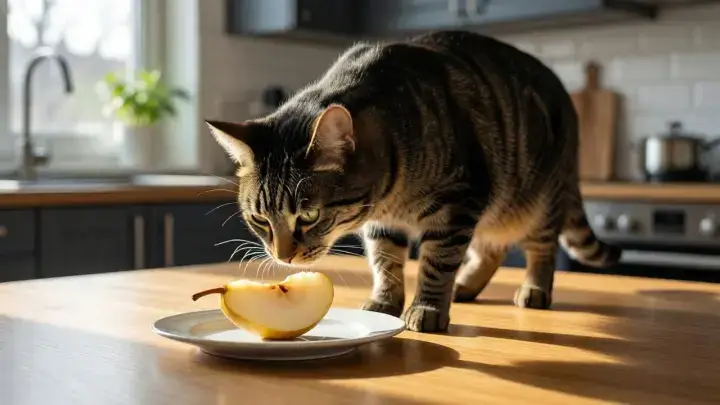
Many pet owners enjoy sharing small bits of food with their cats, especially when they are eating fruits or snacks. Cats often become curious about whatever their owners are holding, sniffing around the kitchen or watching closely during mealtime. When fruits like pears are involved, it is natural for owners to wonder whether they are safe to share. This leads to a common question among cat owners: can cats eat pears?
The short answer is yes, cats can eat pears in very small amounts. Pears are not toxic to cats, and a tiny bite of fresh pear flesh will usually not cause harm. However, that does not mean pears should become a regular part of a cat’s diet. Cats have unique nutritional requirements that differ greatly from humans, and fruit does not provide the nutrients their bodies depend on.
While pears contain vitamins, fiber, and natural sugars that benefit people, cats receive most of their nutritional needs from animal-based foods. Because of this difference, pears should only be offered occasionally and in very small portions.
Understanding how pears affect cats, what parts are safe, and how to prepare them properly can help ensure that your pet stays healthy. This guide explores everything cat owners should know about feeding pears to their feline companions.
Understanding a Cat’s Natural Diet
To determine whether pears are suitable for cats, it is important to first understand how cats are naturally designed to eat. Cats are known as obligate carnivores. This means their bodies rely heavily on nutrients that come from animal-based sources.
In the wild, cats hunt small animals such as mice, birds, and insects. These prey provide protein, fat, and essential amino acids that support muscle growth, organ function, and overall health. One of the most important nutrients for cats is taurine, which is naturally found in animal tissue.
Because of this biological design, cats do not require fruit or vegetables to survive. Their digestive systems are optimized for meat rather than plant material. While small amounts of certain fruits can be tolerated, they do not contribute significantly to feline nutrition.
Commercial cat foods are carefully formulated to provide all the nutrients cats need. These products contain balanced amounts of protein, fats, vitamins, and minerals to support a healthy life.
When a cat tastes fruit such as pears, it is usually out of curiosity rather than nutritional need.
Are Pears Safe for Cats?
Pears are generally safe for cats when offered in moderation. The soft flesh of a ripe pear does not contain toxic compounds that harm cats. If a cat eats a small piece of pear flesh, it will usually pass through the digestive system without causing problems.
However, safety depends on proper preparation and portion size. Pears contain natural sugars, which cats do not need in their diet. Too much sugar can lead to digestive upset or contribute to weight gain if offered frequently.
Another important detail is that not all parts of a pear are safe. The seeds and core should never be given to cats. Pear seeds contain compounds that can release small amounts of cyanide when chewed, which can be harmful if consumed in significant quantities.
Because of this, only the soft flesh of a pear should be considered for occasional feeding.
Nutritional Components of Pears
Pears are widely recognized as a nutritious fruit for humans. They contain vitamins such as vitamin C and vitamin K, along with fiber and antioxidants. These nutrients support immune function, digestion, and overall health in people.
Cats, however, do not benefit from these nutrients in the same way. For example, cats can produce their own vitamin C within their bodies, which means they do not rely on dietary sources of this vitamin.
The fiber in pears may assist digestion in very small amounts, but excessive fiber can lead to stomach discomfort in cats. Too much fiber may cause symptoms such as diarrhea or vomiting.
Natural sugars are another component of pears. While these sugars give the fruit its sweet taste for humans, cats cannot taste sweetness. Their taste receptors are designed to detect proteins rather than sugary flavors.
Because of these differences, pears do not provide significant nutritional advantages for cats.
Why Some Cats Show Interest in Pears
Cats often investigate foods that their owners are eating. This behavior is not always driven by hunger. Curiosity plays a major role in how cats interact with their environment.
The scent and texture of pears may capture a cat’s attention. The soft, juicy flesh may feel interesting when touched or licked. Some cats may nibble on the fruit simply to explore something new.
Another reason for this behavior is imitation. Cats living in close contact with humans often become interested in whatever their owners are handling or consuming.
Despite their curiosity, many cats will quickly lose interest after tasting fruit. Because they cannot detect sweetness, the flavor does not appeal to them in the same way it does to humans.
Potential Risks of Feeding Pears to Cats
Even though pears are not toxic, several potential risks should be considered before feeding them to cats.
One of the main concerns is sugar content. Pears contain natural sugars that are unnecessary for cats. Feeding sugary foods too often may contribute to weight gain or metabolic issues.
Another risk involves the seeds. Pear seeds contain compounds that can release cyanide when crushed or chewed. Although a single seed may not cause immediate harm, it is best to remove the seeds entirely before offering pear to a cat.
Choking hazards are also possible if the fruit is not cut properly. Large chunks may be difficult for cats to chew and swallow.
Additionally, pears purchased from stores may contain pesticide residues. Washing the fruit thoroughly before cutting it can help reduce this risk.
How to Safely Offer Pears to Your Cat
If you decide to let your cat try a pear, careful preparation is essential. Begin by washing the fruit thoroughly under clean running water. This helps remove dirt, bacteria, and possible chemical residues.
Next, peel the pear if desired and cut it into very small pieces. Remove the core and seeds completely to prevent any risk associated with them.
Offer only a tiny piece of pear flesh to your cat at first. This small portion allows you to see whether your cat is interested and whether the fruit agrees with their digestive system.
After feeding, observe your cat for any signs of discomfort such as vomiting or changes in appetite. If no issues occur, the occasional tiny piece is unlikely to cause harm.
However, pears should always remain an occasional treat rather than a routine snack.
When Cats Should Avoid Pears
There are situations where pears should not be given to cats at all. Cats with diabetes or weight management issues should avoid sugary foods, including fruit.
Pets with sensitive stomachs or digestive disorders may also react poorly to fruit because their bodies may struggle to process plant-based ingredients.
Kittens should generally avoid pears as well. Their developing bodies require nutrient-dense food specifically designed for growth and development.
Cats that follow a veterinary-prescribed diet should not receive additional treats without approval from a veterinarian.
When uncertain, it is always safest to consult a veterinary professional before introducing new foods.
Healthier Treat Options for Cats
While pears are not toxic, there are better treat options that match a cat’s natural diet more closely. Protein-rich snacks are usually the best choice.
Small pieces of plain cooked chicken or turkey are often enjoyed by cats and provide beneficial nutrients. Cooked fish without seasoning can also be offered occasionally.
Commercial cat treats are another convenient option. These products are specifically designed to meet feline nutritional needs while still appealing to cats.
Choosing treats that align with a cat’s carnivorous nature helps maintain healthy body weight, muscle strength, and overall vitality.
The Importance of Moderation
Moderation is one of the most important principles when feeding treats to cats. Even safe foods can cause problems if they are offered too frequently.
Cats rely on a consistent diet that provides balanced nutrition. Too many treats can interfere with this balance and lead to nutritional deficiencies or weight gain.
Most veterinarians recommend that treats make up only a small percentage of a cat’s daily calorie intake. Following this guideline helps ensure that cats continue to receive the nutrients they need from their primary meals.
Offering pears rarely and in tiny portions helps reduce potential risks.
Frequently Asked Questions (FAQs)
1. Can cats eat pear skin?
Pear skin is not toxic to cats, but it can be harder to digest. Offering only the soft flesh may reduce the chance of stomach irritation.
2. Are pear seeds dangerous for cats?
Yes, pear seeds should not be given to cats. They contain compounds that can release small amounts of cyanide when crushed or chewed.
3. How much pear can a cat eat?
Cats should only eat a very small piece of pear as an occasional treat. Large portions should be avoided.
4. Can kittens eat pears?
Kittens should not eat pears regularly. Their diet should focus on kitten-specific food designed to support healthy growth.
5. What should I do if my cat eats too much pear?
If a cat eats too much pear, it may experience mild digestive upset. Monitor your pet for vomiting or diarrhea and contact a veterinarian if symptoms persist.
6. Do cats like pears?
Most cats show little interest in pears because they cannot taste sweetness. Some may explore the fruit out of curiosity rather than preference.
Final Thoughts-Can cats eat pears
So, can cats eat pears? Yes, cats can eat small pieces of pear flesh safely on rare occasions. The fruit is not toxic, but it does not provide meaningful nutritional benefits for cats either.
Because pears contain natural sugars and seeds that can pose risks, careful preparation is essential. Always remove the seeds and core, cut the fruit into tiny pieces, and offer it only occasionally.
A cat’s health depends primarily on a balanced diet rich in animal-based proteins. Treats should always play a minor role in their daily nutrition.
By understanding which foods are safe and offering them responsibly, cat owners can protect their pets while still allowing the occasional treat. With proper care and attention, your cat can enjoy a healthy and happy life.
For More Visits: Animalsinfo