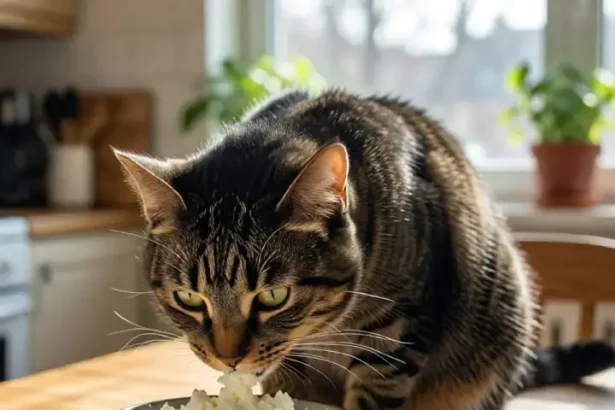


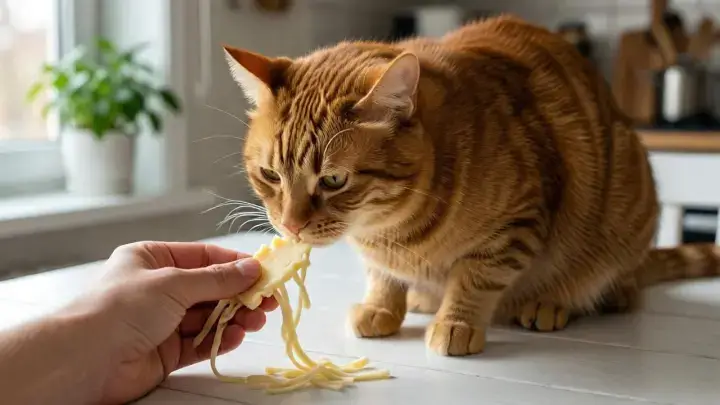
Many cat owners have experienced the moment when their pet suddenly becomes interested in the food they are eating. One common example happens when someone opens a pack of string cheese. The smell can attract a curious cat within seconds, and it is not unusual for them to stare, sniff, or even try to grab a small bite. This situation leads many pet owners to ask an important question: can cats eat string cheese safely?
String cheese is a popular snack for humans. It is convenient, mild in flavor, and packed with protein and calcium. Because cheese is made from milk, people often assume it must be safe for cats as well. However, a cat’s digestive system works very differently from a human’s. Some foods that seem harmless to us can cause discomfort or health problems for animals.
The short answer is that cats can eat a small amount of string cheese occasionally, but it should not become a regular part of their diet. While string cheese is not toxic to cats, it can cause digestive issues for some pets, especially those sensitive to dairy.
Understanding how string cheese affects cats, its potential risks, and how to offer it safely will help you make better choices for your pet’s health.
Understanding a Cat’s Natural Diet
To determine whether string cheese is appropriate for cats, it is important to understand what cats naturally eat. Cats are obligate carnivores, which means their bodies rely heavily on nutrients found in animal-based foods.
In nature, cats survive by hunting prey such as mice, birds, and insects. These animals provide the protein, fats, and amino acids necessary for a cat’s health. One essential nutrient cats require is taurine, which comes primarily from animal tissue.
A cat’s digestive system is designed to process meat efficiently. While cats can digest small amounts of other foods, their bodies do not rely on carbohydrates or dairy products for nutrition.
Because of this biological design, foods like cheese do not play a significant role in a cat’s diet. They may be tolerated in tiny amounts, but they are not nutritionally necessary.
What Is String Cheese?
String cheese is a type of cheese commonly made from mozzarella. It is known for its soft texture and the ability to be pulled apart into thin strands. This texture makes it a convenient snack for people of all ages.
The main ingredients in string cheese typically include milk, salt, and enzymes used during the cheese-making process. It is a source of protein and calcium, which are beneficial for humans.
However, the nutritional benefits that apply to humans do not always apply to cats. Cats process dairy differently, and their bodies may react in ways that make cheese less suitable for regular consumption.
Is String Cheese Safe for Cats?
In general, string cheese is not toxic to cats. If a cat eats a small piece, it is unlikely to cause serious harm. Many cats are able to tolerate tiny portions without immediate problems.
However, safety does not always mean suitability. Dairy products can cause digestive discomfort in many adult cats because they lack the enzyme needed to break down lactose properly.
Even though string cheese contains less lactose than regular milk, it still contains enough to trigger symptoms in sensitive cats. Because of this, cheese should only be given rarely and in very small portions.
Why Cats Are Attracted to Cheese
Cats do not naturally seek out dairy products in the wild, yet many seem interested in cheese. The attraction usually comes from the smell and fat content.
Cheese has a strong aroma that can be appealing to animals. Cats often respond to the scent because it resembles the richness of animal-based foods.
Another reason is texture. String cheese is soft and easy to chew, making it accessible for cats who enjoy nibbling on different foods.
However, curiosity does not necessarily mean the food is beneficial for them.
Nutritional Content of String Cheese
String cheese contains several nutrients that humans value in their diet. It provides protein, calcium, and fats that support bone health and energy levels.
For cats, protein is indeed an important nutrient. However, the protein in cheese does not offer the same complete nutritional profile as meat.
String cheese also contains salt and fat. While these ingredients are acceptable for human consumption, too much salt or fat can be problematic for cats when eaten regularly.
Cats receive all the nutrients they need from balanced cat food formulated specifically for feline health. Cheese does not improve that balance and may disrupt it if given too frequently.
The Issue of Lactose Intolerance
One of the most important factors when discussing cheese and cats is lactose intolerance. Kittens produce an enzyme called lactase, which allows them to digest their mother’s milk.
As cats grow older, the production of this enzyme usually decreases. Without enough lactase, the body cannot properly break down lactose, the natural sugar found in milk.
When lactose reaches the digestive system undigested, it can cause discomfort. This may result in symptoms such as stomach cramps, gas, diarrhea, or vomiting.
Although string cheese contains less lactose than milk, it can still cause these reactions in sensitive cats.
Possible Risks of Feeding String Cheese to Cats
While a small bite of string cheese may not harm most cats, there are several potential risks to consider.
One common issue is digestive upset. Cats that are sensitive to dairy may experience stomach discomfort after eating cheese. This can lead to loose stools or vomiting.
Another concern is calorie intake. Cheese is relatively high in fat, which means it can add unnecessary calories to a cat’s diet. Regular consumption may contribute to weight gain over time.
Salt content is another factor. Some string cheese products contain higher levels of sodium than a cat should consume regularly.
There is also a choking risk if the cheese is offered in large pieces. Cats should never be given thick strips of string cheese that could be difficult to swallow.
Because of these factors, portion size and frequency are extremely important.
How to Safely Offer String Cheese to Cats
If you decide to let your cat try string cheese, careful preparation is essential. The cheese should be cut into very small pieces before offering it to your pet.
Tiny bites are easier for cats to chew and reduce the risk of choking. The portion should be small enough that it does not significantly affect their daily calorie intake.
It is also important to choose plain string cheese without added flavorings or spices. Some flavored varieties contain ingredients that may not be safe for pets.
Introduce the cheese slowly and observe your cat afterward. If there are no signs of digestive problems, a small piece occasionally may be acceptable.
However, if your cat shows any negative reaction, it is best to avoid cheese completely.
How Much String Cheese Can Cats Eat?
Moderation is essential when feeding any human food to cats. A tiny piece of string cheese is enough for a cat to taste.
Treats of any kind should make up only a small portion of a cat’s overall diet. Most of their nutrition should come from high-quality cat food designed to meet their specific needs.
Offering cheese frequently can add unnecessary calories and disrupt the balance of nutrients in their diet.
For this reason, string cheese should remain an occasional treat rather than a routine snack.
Signs Your Cat Should Avoid Cheese
Some cats simply do not tolerate dairy products well. If your cat shows signs of discomfort after eating cheese, it is best to stop offering it.
Common signs of intolerance include vomiting, diarrhea, excessive gas, or noticeable stomach discomfort.
Changes in appetite or behavior may also indicate that the food did not agree with them.
Every cat has a unique digestive system, so what works for one cat may not work for another.
Better Treat Options for Cats
Although cheese may seem like a convenient snack, there are healthier treat options that align more closely with a cat’s natural diet.
Protein-based snacks are usually the best choice. Small portions of cooked chicken or turkey can be appealing and nutritious for cats.
Cooked fish can also be offered occasionally, as long as it is free from bones and seasoning.
Commercial cat treats are another reliable option. These products are designed specifically for feline nutritional needs and often contain ingredients that support overall health.
Choosing species-appropriate treats helps maintain a balanced diet and prevents unnecessary health risks.
Preventing Cats From Begging for Human Food
Cats quickly learn habits related to food. If they receive human snacks regularly, they may begin to beg whenever someone is eating.
One effective way to prevent this behavior is consistency. Avoid feeding your cat from the table and keep human food out of their reach.
Providing regular feeding times and a balanced diet will help keep your cat satisfied. A well-fed cat is less likely to search for extra snacks around the house.
Establishing these boundaries helps maintain both healthy eating habits and good behavior.
Final Thoughts
So, can cats eat string cheese? Yes, cats can eat a tiny amount of string cheese occasionally without serious risk. It is not toxic, and some cats may enjoy the taste.
However, string cheese should never become a regular part of a cat’s diet. Many cats are lactose intolerant, and dairy products can cause digestive discomfort.
Cheese also contains fat and salt that may not be ideal for frequent consumption.
If you choose to offer string cheese, keep the portion extremely small and watch your cat for any signs of stomach upset.
The best way to support your cat’s health is to provide a balanced diet designed specifically for felines. Occasional treats are fine, but they should never replace proper nutrition.
Frequently Asked Questions (FAQs)
Can cats eat string cheese safely?
Yes, cats can eat a small piece of string cheese occasionally. It is not toxic, but it should not be given regularly because many cats are sensitive to dairy.
Is string cheese bad for cats?
String cheese is not inherently dangerous, but it may cause digestive upset due to lactose. It also contains fat and salt that are unnecessary for cats.
Can kittens eat string cheese?
Kittens should avoid string cheese. Their diet should focus on specially formulated kitten food that supports healthy growth and development.
Why does my cat like string cheese?
Cats may be attracted to the smell and fat content of cheese. The strong aroma can make it interesting to curious cats.
What happens if my cat eats too much cheese?
Eating too much cheese may cause stomach problems such as vomiting, diarrhea, or gas. It can also add unnecessary calories to their diet.
Are there better treats for cats than cheese?
Yes, protein-rich snacks like cooked chicken, turkey, or fish are healthier options. Commercial cat treats are also designed to meet feline nutritional needs.
Can lactose-free cheese be safer for cats?
Lactose-free cheese may reduce the risk of digestive upset, but it should still be given only in very small amounts and not regularly.
For More Visits: Animalsinfo