

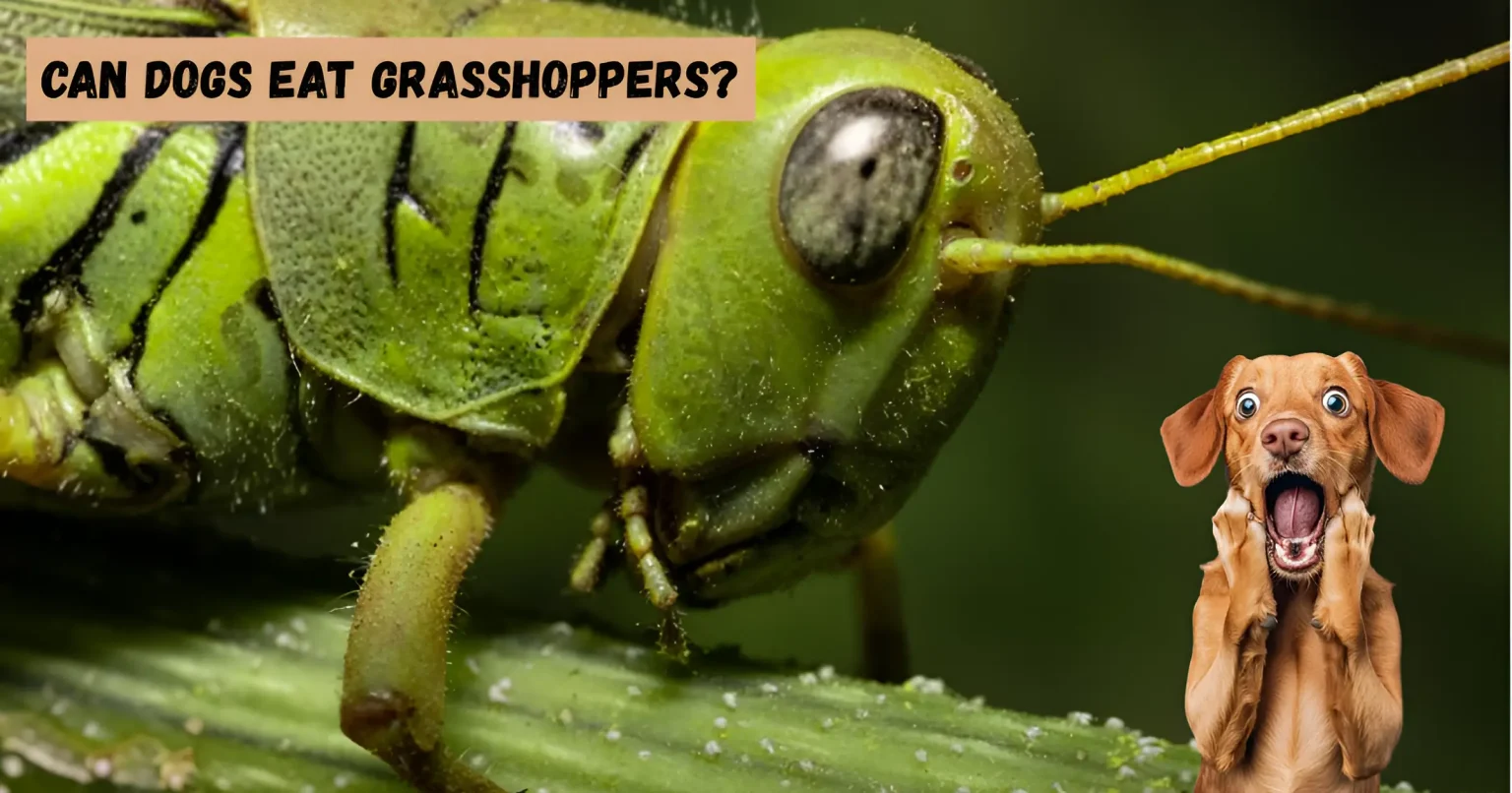
Dogs often surprise their owners with unusual eating habits. From chewing on sticks to chasing insects, their curiosity knows no bounds. One common question that comes up—especially during warmer months—is whether dogs can safely eat grasshoppers. If you’ve ever seen your dog snap at one in the yard, you’re not alone.
Can dogs eat grasshoppers? The short answer is yes, dogs can eat grasshoppers, but there is more to consider than just safety. While grasshoppers are not inherently toxic, there are important factors that determine whether they are truly safe or potentially harmful. Understanding these details can help you make better decisions for your dog’s health.
Why Dogs Try to Eat Grasshoppers
Dogs are natural hunters, even if they live in a comfortable home environment. Movement triggers their instincts, and grasshoppers are quick, jumping insects that naturally attract attention.
The chase itself is often part of the fun. Once caught, a dog may eat the grasshopper out of curiosity rather than hunger. Some dogs enjoy the crunchy texture, while others simply experiment with whatever they can catch.
This behavior is usually harmless, but it can become a concern depending on what the insect has been exposed to in its environment.
Are Grasshoppers Safe for Dogs?
In general, grasshoppers are safe for dogs to eat in small amounts. They are not poisonous and do not contain toxins that are dangerous by nature. In fact, grasshoppers are rich in protein and are even consumed by humans in some parts of the world.
However, “safe” does not always mean “recommended.” The main risks come from external factors rather than the grasshopper itself. Where the insect was found and what it may have come into contact with can make a big difference.
Nutritional Value of Grasshoppers
Although it might sound unusual, grasshoppers do offer some nutritional benefits. They are a natural source of protein, which supports muscle development and energy levels in dogs.
They also contain small amounts of vitamins and minerals. However, these benefits are minimal in the context of a dog’s overall diet. A properly balanced dog food already provides everything your pet needs, so grasshoppers are not necessary as a dietary addition.
At best, they can be considered an occasional, accidental snack rather than a meaningful source of nutrition.
Potential Risks of Eating Grasshoppers
While grasshoppers themselves are not toxic, there are several risks that dog owners should be aware of.
Pesticide Exposure
One of the biggest concerns is pesticides. Grasshoppers often live in areas treated with chemicals to control pests. If a dog eats a contaminated insect, it may ingest harmful substances.
Even small amounts of pesticide residue can cause symptoms such as drooling, vomiting, or lethargy. In more serious cases, it can lead to poisoning that requires immediate veterinary care.
Parasites
Grasshoppers can carry parasites that may be transmitted to dogs. While this is not extremely common, it is still a possibility, especially in areas where parasites are prevalent.
Dogs with weaker immune systems, such as puppies or older pets, may be more vulnerable.
Digestive Upset
Some dogs may have sensitive stomachs and react poorly to eating insects. This can lead to mild digestive issues like vomiting or diarrhea.
The exoskeleton of a grasshopper is harder to digest than regular food, which can sometimes irritate the digestive tract.
Choking Risk
For small dogs, larger grasshoppers may pose a choking hazard. While most dogs chew their food, an excited dog may swallow an insect quickly without properly breaking it down.
What Happens If a Dog Eats a Grasshopper?
In most cases, nothing serious happens. Many dogs eat a grasshopper and continue their day as if nothing occurred. If the insect was clean and free from chemicals, the dog will likely digest it without any problems.
However, some dogs may experience mild stomach upset. This could include temporary discomfort, a slight loss of appetite, or soft stools.
If the grasshopper was contaminated or if the dog ate several of them, symptoms may become more noticeable. These can include vomiting, excessive drooling, or unusual tiredness.
When Should You Be Concerned?
While occasional grasshopper consumption is usually harmless, there are situations where you should pay closer attention.
If your dog shows signs of illness after eating a grasshopper, such as repeated vomiting or weakness, it is best to consult a veterinarian. These symptoms could indicate exposure to pesticides or another harmful substance.
Dogs that consume multiple grasshoppers in a short period should also be monitored. Eating too many insects at once increases the chance of digestive upset.
If you live in an area where chemical treatments are common, it is wise to be extra cautious. In such environments, even a single grasshopper could carry risks.
Can Dogs Eat Grasshoppers Regularly?
Even though grasshoppers are not toxic, they should not become a regular part of your dog’s diet. Dogs need a balanced diet that provides specific nutrients in the right proportions.
Relying on insects as a food source can lead to nutritional imbalances. Additionally, repeated exposure increases the risk of ingesting harmful chemicals or parasites.
Allowing your dog to occasionally catch a grasshopper may not be a problem, but encouraging this behavior is not advisable.
Are Cooked Grasshoppers Safer?
Cooked grasshoppers are generally safer than raw ones because cooking can reduce the risk of parasites and bacteria. In some cultures, insects are prepared as food and are considered safe for consumption.
If grasshoppers are cooked without seasoning, oils, or spices, they are less likely to cause harm. However, this is not a common or necessary practice for feeding dogs.
It is still better to rely on traditional, balanced dog food rather than introducing unusual items into their diet.
How to Prevent Your Dog from Eating Grasshoppers
If you prefer to keep your dog from eating insects, there are a few simple steps you can take.
Supervision is key, especially when your dog is outside. Watching their behavior can help you intervene before they catch anything.
Training commands like “leave it” can be very effective. With consistent practice, your dog can learn to ignore insects and other unwanted items.
Keeping your yard free from excessive insect activity can also help. Avoiding the use of harmful pesticides is important, as these chemicals can pose risks not only to insects but also to your pet.
Healthier Alternatives for Curious Dogs
Dogs often eat grasshoppers out of curiosity or boredom rather than hunger. Providing appropriate outlets for their energy can reduce this behavior.
Interactive toys, regular exercise, and mental stimulation can keep your dog engaged and less interested in chasing insects.
If you want to offer treats, stick to options designed specifically for dogs. These treats are safer and provide nutritional benefits without unnecessary risks.
Special Considerations for Puppies and Small Dogs
Puppies are naturally more curious and may try to eat anything they encounter. Their smaller size and developing digestive systems make them more sensitive to unusual foods.
For puppies, even a small amount of something unfamiliar can lead to digestive upset. It is best to discourage them from eating insects altogether.
Small dog breeds may also face a higher risk of choking or digestive issues. Monitoring them closely during outdoor activities is especially important.
Final Thoughts
Dogs can eat grasshoppers, and in most cases, it will not cause serious harm. However, that does not mean it is something you should encourage. The potential risks, including pesticide exposure, parasites, and digestive upset, make it an activity worth monitoring.
A single grasshopper here and there is unlikely to be a problem, but repeated or uncontrolled consumption can lead to issues. Keeping your dog’s diet balanced and providing safe, nutritious treats is always the better approach.
Understanding your dog’s behavior and environment plays a big role in keeping them safe. With a little awareness and supervision, you can ensure that your pet stays healthy while still enjoying their natural curiosity.
Frequently Asked Questions (FAQs)
Can dogs safely eat grasshoppers?
Yes, dogs can eat grasshoppers in small amounts, as they are not toxic. However, they should not be a regular part of the diet.
Are grasshoppers poisonous to dogs?
No, grasshoppers are not naturally poisonous. The main risk comes from pesticides or contaminants.
What should I do if my dog eats a grasshopper?
In most cases, you can simply monitor your dog. If any unusual symptoms appear, contact a veterinarian.
Can grasshoppers make dogs sick?
They can cause mild stomach upset in some dogs, especially if eaten in large quantities or if the insect is contaminated.
Are cooked grasshoppers better for dogs?
Cooked grasshoppers may reduce the risk of parasites, but they are not necessary for a dog’s diet.
Why does my dog chase grasshoppers?
Dogs are instinctively attracted to movement. Chasing insects is a natural behavior driven by curiosity and hunting instincts.
Should I stop my dog from eating insects?
It is generally a good idea to discourage this behavior to reduce the risk of exposure to harmful substances.
For More Visits: Animalsinfo
Also Read: Can Dogs Eat Gummy Worms 2026 – Best Safety Guide