


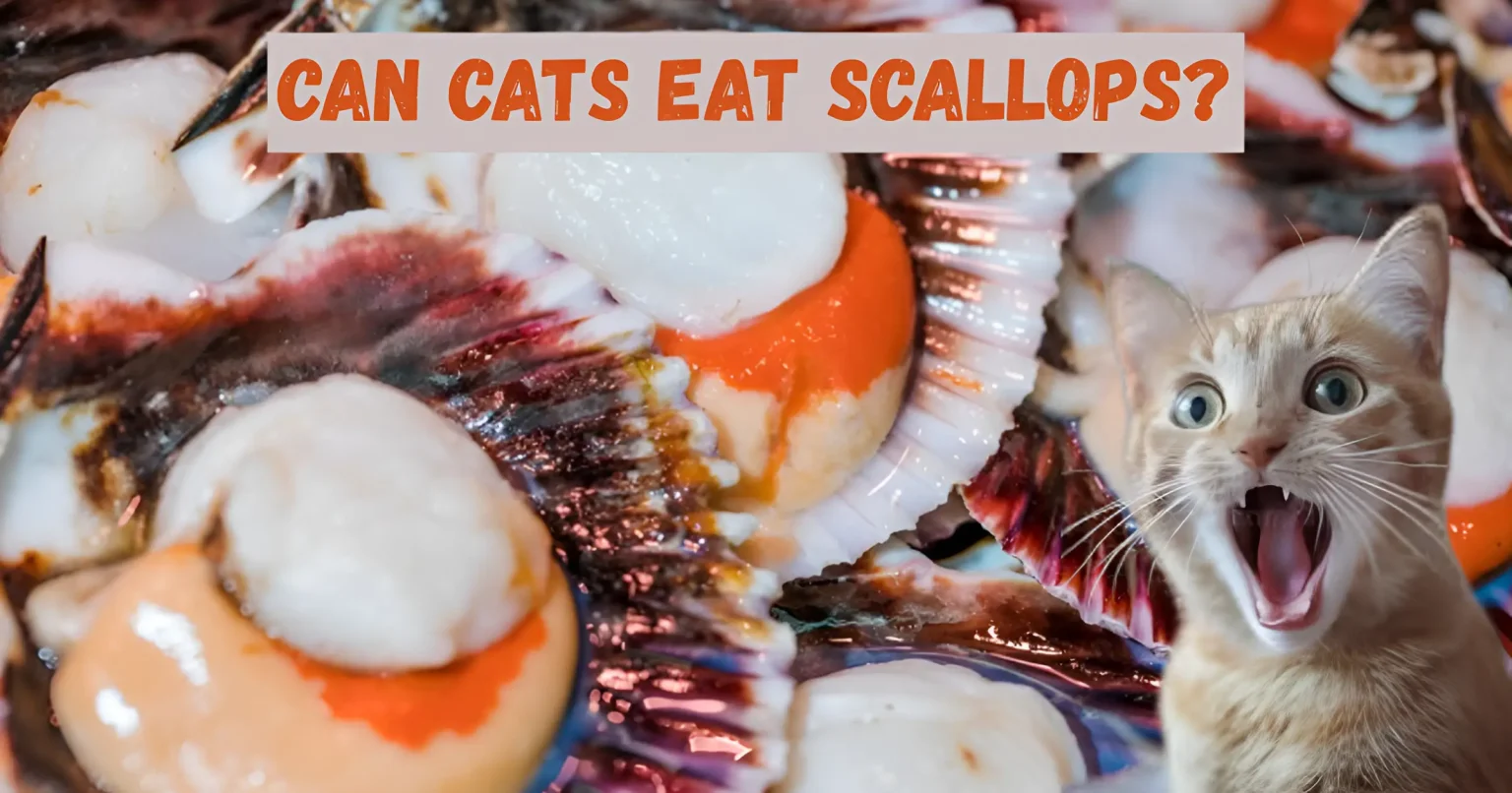
Cats are known for their love of seafood, so it’s natural to wonder whether delicacies like scallops are safe for them. Scallops are a popular seafood choice for humans due to their soft texture and rich flavor, but when it comes to cats, not every seafood item is automatically safe. So, can cats eat scallops?
The short answer is yes—cats can eat scallops, but only when they are properly prepared and served in moderation. While scallops can provide some nutritional benefits, there are also important risks to consider before sharing them with your feline companion.
This guide will cover everything you need to know, including benefits, risks, preparation methods, portion sizes, and frequently asked questions.
Can Cats Eat Scallops?
Yes, cats can eat scallops if they are cooked, plain, and free from seasoning or additives. Scallops are not toxic to cats and can be a safe occasional treat.
However, scallops should not replace a cat’s regular diet. Cats are obligate carnivores, meaning they require a specific balance of nutrients that is best provided by high-quality cat food. Scallops can be offered as a supplement, not a staple.
Nutritional Value of Scallops
Scallops offer several nutrients that can benefit cats when fed in moderation.
High-Quality Protein
Protein is essential for cats, supporting muscle maintenance, tissue repair, and overall health. Scallops provide lean protein that is easy to digest.
Omega-3 Fatty Acids
Scallops contain omega-3 fatty acids, which can help support:
- Healthy skin and coat
- Reduced inflammation
- Heart health
Vitamins and Minerals
Scallops are a source of important nutrients, including:
- Vitamin B12: Supports nerve function and energy production
- Magnesium: Helps with muscle and nerve function
- Selenium: Acts as an antioxidant to support the immune system
- Phosphorus: Important for strong bones and teeth
Health Benefits of Scallops for Cats
When fed correctly, scallops can provide several benefits:
Supports Muscle Health
The protein in scallops helps maintain strong muscles, especially important for active or aging cats.
Promotes Healthy Skin and Coat
Omega-3 fatty acids can improve coat shine and reduce dryness or irritation.
Boosts Immune Function
Nutrients like selenium and vitamin B12 support overall immune health.
Risks of Feeding Scallops to Cats
Despite their benefits, scallops come with some risks:
Raw Scallops
Raw scallops may contain harmful bacteria or parasites that can make your cat sick. Cooking eliminates these risks.
Seasonings and Additives
Scallops prepared for humans often include butter, garlic, salt, or spices. These ingredients can be harmful or toxic to cats and should always be avoided.
High Sodium
Processed or restaurant-prepared scallops may contain high levels of sodium, which is not suitable for cats.
Allergic Reactions
Some cats may be allergic to seafood. Signs include vomiting, diarrhea, itching, or swelling. If any of these occur, stop feeding immediately.
Digestive Upset
Too much scallop can upset your cat’s stomach, especially if they are not used to seafood.
How to Prepare Scallops for Cats
Proper preparation is essential to ensure safety.
Cook Thoroughly
Steam, boil, or bake scallops without adding any seasoning. Cooking removes harmful bacteria and makes them easier to digest.
Serve Plain
Do not add butter, oil, garlic, onions, salt, or sauces. Cats should only eat plain scallops.
Cut into Small Pieces
Cut scallops into small, manageable pieces to prevent choking and make them easier to eat.
Let Them Cool
Always allow scallops to cool before serving to avoid burns.
How Much Scallop Can Cats Eat?
Scallops should only be an occasional treat. They should not replace your cat’s regular meals.
- Small cats: a few small pieces occasionally
- Larger cats: slightly more, but still limited
Treats should make up no more than 10% of your cat’s daily diet.
Can Kittens Eat Scallops?
Kittens can eat small amounts of cooked, plain scallops, but extra care is needed. Their digestive systems are still developing, so new foods should be introduced gradually.
Scallops should never replace specially formulated kitten food, which provides all the nutrients needed for growth.
Can Cats Eat Raw Scallops?
No, cats should not eat raw scallops. Raw seafood may contain bacteria or parasites that can cause illness. Cooking is the safest option.
Can Cats Eat Fried or Buttered Scallops?
No, fried or buttered scallops are not safe for cats. Added fats, oils, and seasonings can lead to digestive upset and may be harmful over time.
Signs Your Cat Tolerates Scallops Well
After feeding scallops, watch for positive signs:
- Normal digestion
- No vomiting or diarrhea
- Healthy appetite
- Active behavior
If your cat shows any negative reactions, stop feeding scallops and consult a professional if needed.
When Should You Avoid Feeding Scallops?
Avoid scallops if:
- Your cat has a seafood allergy
- Your cat has kidney or heart issues requiring low sodium
- The scallops are raw, seasoned, or processed
- Your cat is on a strict veterinary diet
Frequently Asked Questions (FAQs)
Can cats eat scallops every day?
No, scallops should only be given occasionally. Daily feeding can lead to nutritional imbalance.
Are scallops better than fish for cats?
Scallops provide protein and nutrients, but fish often contains higher levels of omega-3 fatty acids. Both can be given in moderation.
Can cats eat canned scallops?
Canned scallops are not recommended due to added salt and preservatives. Fresh, cooked scallops are safer.
What happens if my cat eats raw scallops?
They may develop stomach upset or foodborne illness. Monitor for symptoms and contact a veterinarian if needed.
Can senior cats eat scallops?
Yes, in moderation. The protein can help maintain muscle mass, but portion control is important.
Final Thoughts
So, can cats eat scallops? Yes, they can—as long as they are cooked, plain, and served in moderation. Scallops can provide protein and beneficial nutrients, making them a safe occasional treat for most cats.
However, preparation is crucial. Avoid raw, seasoned, or processed scallops, and always serve them in small portions. Your cat’s main nutrition should come from a balanced, high-quality cat food designed to meet their specific needs.
Every cat is different, so pay attention to how your pet reacts when trying new foods. Keeping their health and safety in mind will help you make the best dietary choices for your feline companion.
And always make sure to consult your veterinarian before introducing new foods into your cat’s diet to ensure it is safe for your pet.
For More Visits: Animalsinfo
Also Read: Can Dogs Eat Chicken Wings? Benefits, Risks & Safe Feeding