

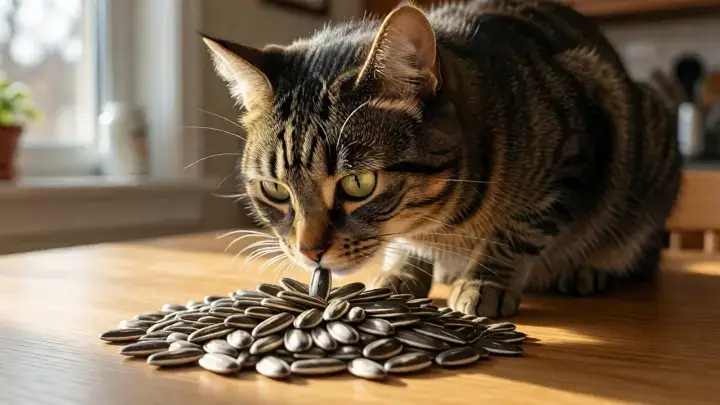
Cats are naturally curious animals that often show interest in whatever their owners are eating. Whether it is meat, snacks, or even plant-based foods, cats tend to investigate food through smell, movement, and texture. One common question pet owners ask is: can cats eat sunflower seeds?
At first glance, sunflower seeds seem harmless because they are natural and widely considered a healthy snack for humans. However, cats have very different dietary requirements compared to humans. What is nutritious for people is not always suitable for animals, especially obligate carnivores like cats.
Understanding whether sunflower seeds are safe for cats requires a closer look at feline digestion, nutritional needs, and potential risks. This article explores everything in detail, including safety concerns, benefits, feeding guidelines, and expert insights into whether sunflower seeds should be part of a cat’s diet.
Understanding a Cat’s Natural Diet
To understand whether cats can eat sunflower seeds, it is important to first understand what cats are biologically designed to eat. Cats are obligate carnivores, meaning their bodies are adapted to thrive on animal-based proteins rather than plant-based foods.
In the wild, cats hunt small animals such as birds, mice, and insects. Their digestive system is short and efficient, designed to process meat quickly. Unlike humans or omnivores, cats do not require plant-based foods for nutrition.
Their bodies depend on nutrients such as taurine, arachidonic acid, and vitamin A, which are found naturally in animal tissues. These nutrients are essential for heart health, vision, and immune function.
Because of this biological design, plant-based foods like sunflower seeds do not play a necessary role in a cat’s diet.
What Are Sunflower Seeds?
Sunflower seeds come from the sunflower plant and are commonly consumed by humans as a snack or used in cooking. They are rich in healthy fats, protein, fiber, and various vitamins and minerals.
For humans, sunflower seeds are often considered nutritious because they contain vitamin E, magnesium, and antioxidants. They are also used in health-conscious diets for their energy content and heart-healthy fats.
However, the nutritional profile that benefits humans does not necessarily translate to cats. The way cats process fats and plant-based proteins is very different.
Can Cats Safely Eat Sunflower Seeds?
Cats can technically eat small amounts of sunflower seeds without immediate toxicity. Sunflower seeds are not poisonous to cats, and a few seeds are unlikely to cause serious harm.
However, “not toxic” does not mean “safe or beneficial.” Sunflower seeds are not designed for feline digestion, and they do not provide essential nutrients required by cats.
In some cases, cats may experience digestive discomfort after eating seeds, especially if they consume them in larger quantities or if the seeds are salted or flavored.
Therefore, while occasional accidental consumption is usually harmless, sunflower seeds should not be considered a part of a cat’s diet.
Why Cats Are Attracted to Sunflower Seeds
Cats are not naturally attracted to the nutritional value of sunflower seeds. Instead, their curiosity is driven by smell, texture, and owner behavior.
If a cat sees its owner eating sunflower seeds, it may become curious and try to investigate. The crunchy texture may also attract some cats, as they enjoy chewing on different objects.
However, this interest does not indicate nutritional need. It is simply behavioral curiosity.
Nutritional Value of Sunflower Seeds for Cats
Sunflower seeds contain fats, protein, and fiber, but these nutrients are not in a form that is ideal for cats. While fat is an important part of a cat’s diet, it must come from animal sources to be properly utilized.
Plant-based proteins found in seeds are not as easily digestible for cats. Additionally, sunflower seeds lack essential amino acids like taurine, which are critical for feline health.
Even though sunflower seeds contain vitamins and minerals, these are not sufficient to meet a cat’s dietary requirements.
In simple terms, sunflower seeds are nutritionally incomplete for cats.
Potential Risks of Sunflower Seeds for Cats
Although sunflower seeds are not toxic, there are several risks associated with feeding them to cats.
One of the main concerns is digestive difficulty. Cats are not designed to break down plant-based fibrous material efficiently. Eating seeds can sometimes lead to mild stomach upset, including vomiting or diarrhea.
Another concern is choking hazard. Whole sunflower seeds, especially with shells, can pose a risk if swallowed without proper chewing. Cats do not always chew food thoroughly, which increases the risk.
Salted or flavored sunflower seeds are even more problematic. Added salt, seasoning, or artificial flavors can be harmful to cats and may lead to dehydration or digestive imbalance.
Over time, feeding inappropriate snacks can also affect a cat’s appetite for nutritionally balanced food.
Are Sunflower Seed Shells Safe for Cats?
Sunflower seed shells are not safe for cats. The shells are hard, fibrous, and difficult to digest. If swallowed, they may cause intestinal discomfort or blockage in rare cases.
Cats should never be encouraged to chew or consume seed shells. Even if they attempt to play with them, ingestion should be avoided.
Removing the shell does not make sunflower seeds an ideal food, but it does reduce one of the physical risks.
Do Sunflower Seeds Offer Any Health Benefits for Cats?
While sunflower seeds have health benefits for humans, they do not provide meaningful advantages for cats. Any nutrients present in seeds are either not required by cats or are not absorbed efficiently by their bodies.
Cats get all necessary nutrients from a properly balanced meat-based diet. Adding sunflower seeds does not improve their health and may instead introduce unnecessary risks.
Therefore, sunflower seeds should not be considered a health supplement for cats.
What Happens If a Cat Eats Sunflower Seeds?
If a cat eats a small number of sunflower seeds accidentally, there is usually no need for concern. Most cats will digest them without serious issues.
However, if a cat eats a large quantity, mild digestive symptoms may appear. These can include stomach discomfort, loose stools, or temporary loss of appetite.
If salted or flavored seeds are consumed, symptoms may be more noticeable due to added ingredients.
In rare cases, if a cat shows persistent symptoms, veterinary advice should be considered.
Should You Feed Sunflower Seeds to Your Cat?
There is no need to intentionally feed sunflower seeds to cats. They do not provide essential nutrients and are not part of a feline-appropriate diet.
If pet owners want to offer treats, it is better to choose products specifically designed for cats. These treats are formulated to meet feline nutritional needs safely.
Feeding human snacks, including seeds, should be avoided as a regular practice.
Safer Alternatives to Sunflower Seeds
If you want to give your cat a treat, there are safer options available. Protein-based treats made specifically for cats are the best choice.
Small amounts of cooked meat such as chicken or fish can also be used occasionally as treats, provided they are unseasoned and plain.
These alternatives align better with a cat’s natural dietary requirements.
Understanding Cat Behavior Around Food
Cats often explore food out of curiosity rather than hunger. This is why they may show interest in sunflower seeds or other human snacks.
However, curiosity does not equal nutritional need. Understanding this difference helps prevent accidental feeding of inappropriate foods.
Training and consistency in feeding habits can help reduce begging or interest in unsafe foods.
Conclusion
So, can cats eat sunflower seeds? The answer is that while they are not toxic and small accidental amounts are usually harmless, sunflower seeds are not suitable or necessary for cats.
Cats are obligate carnivores and require animal-based nutrition to stay healthy. Sunflower seeds do not provide essential nutrients and may pose minor risks if consumed regularly or in large quantities.
The safest approach is to avoid feeding sunflower seeds to cats and focus on a balanced, species-appropriate diet designed for their biological needs.
Understanding what is safe and what is not helps ensure long-term health, comfort, and wellbeing for your cat.
FAQs
1. Can cats eat sunflower seeds safely?
Small amounts are not toxic, but they are not recommended as part of a cat’s diet.
2. Are sunflower seeds good for cats?
No, they do not provide essential nutrients for feline health.
3. Can sunflower seeds make cats sick?
Large amounts or salted seeds may cause mild digestive issues.
4. Are sunflower seed shells dangerous for cats?
Yes, shells can be hard to digest and may cause choking or discomfort.
5. What should I do if my cat eats sunflower seeds?
Monitor your cat; small amounts are usually harmless.
6. What is a better treat for cats?
Protein-based cat treats or plain cooked meat are safer options.
For More Visits: Animalsinfo