

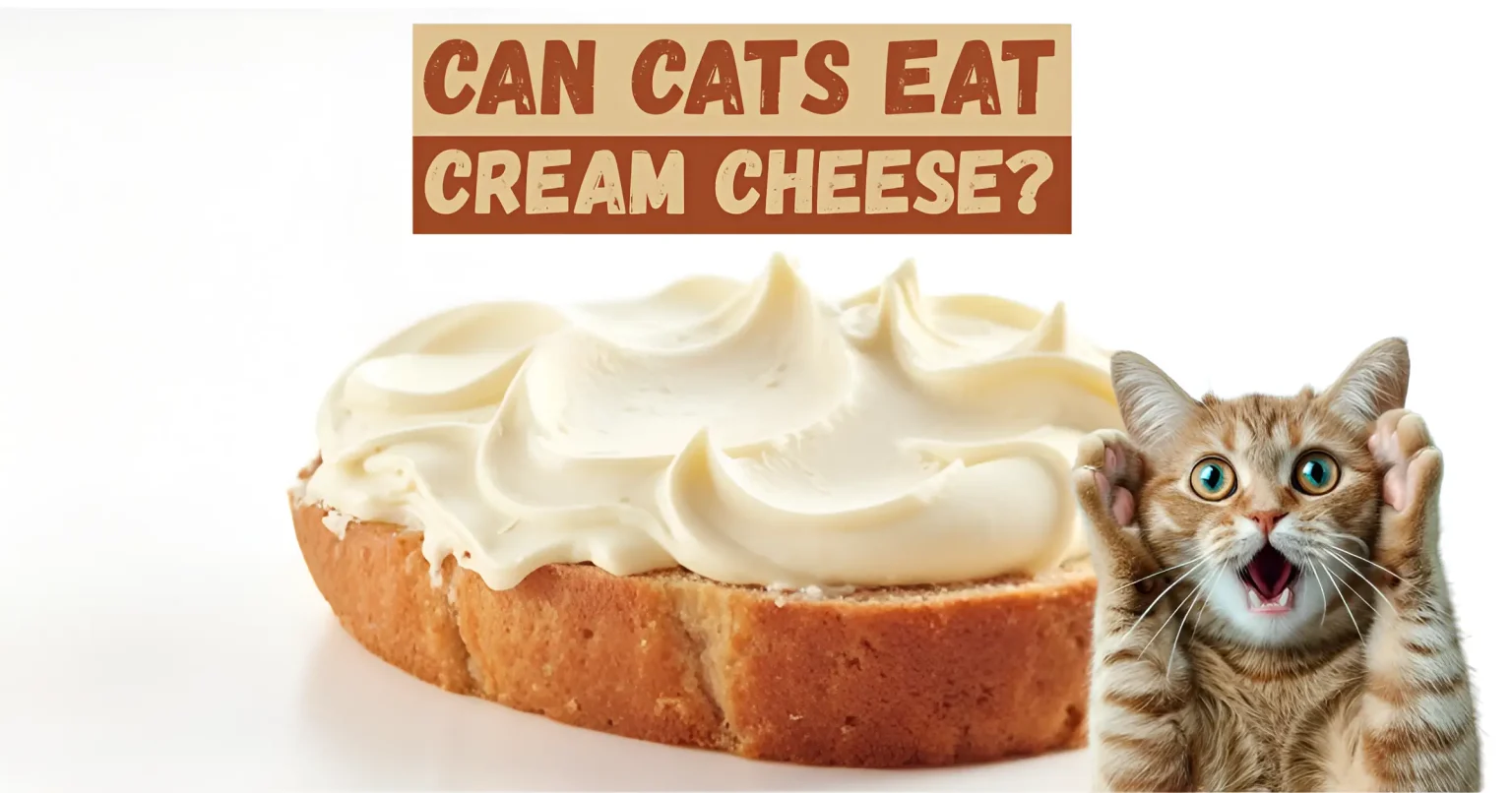
If you have ever been spreading cream cheese on a bagel and noticed your cat materializing out of nowhere with that laser-focused attention they reserve for anything that smells rich and dairy-based, you already know how persuasive cats can be when they want something. Cream cheese has a soft, fatty, mildly tangy smell that genuinely appeals to many cats, and the temptation to let them have a small taste can feel harmless enough in the moment. Can cats eat cream cheese? After all, it is just cheese — soft, mild, and seemingly innocuous. But the reality of how cream cheese interacts with a cat’s digestive system and overall health is more complicated than its innocent appearance suggests, and understanding those details properly will help you make a genuinely informed decision rather than one based on the assumption that something so ordinary could not possibly cause harm.
Why Cats Are So Drawn to Cream Cheese in the First Place
The attraction most cats show toward cream cheese is not random or coincidental — it is rooted in the same biological wiring that makes cats seek out high-fat, high-protein food sources in general. Cream cheese is composed primarily of fat and protein derived from dairy, and the aroma that fat and protein combination produces is precisely what triggers a cat’s appetite and curiosity on an instinctual level.
There is also a texture component at work. Cream cheese is soft, spreadable, and easy to lick, which makes it physically accessible in a way that harder foods are not. Many cats are drawn to soft, lickable foods partly because they require less effort to consume and partly because the smooth texture is satisfying in a way that resonates with how cats experience food. This is why so many cats go absolutely wild for soft treat pastes and pâté-style wet foods — the texture itself is part of the appeal, and cream cheese hits that same note.
What makes this attraction worth understanding rather than simply indulging is that the same fat content that makes cream cheese smell and feel appealing to a cat is also the primary reason it causes digestive problems for most of them.
The Lactose Problem — Why Most Cats Cannot Handle Dairy
The most fundamental issue with cream cheese and cats is one that applies to all dairy products and is worth understanding thoroughly because it is so widely misunderstood. The popular cultural image of cats happily lapping up milk or cream is deeply ingrained, but it reflects a significant misunderstanding of feline biology that has led to a lot of unnecessary digestive suffering for cats over the years.
Kittens are born with the ability to produce lactase, the enzyme responsible for breaking down lactose — the primary sugar found in milk and dairy products. This makes sense biologically because kittens depend on their mother’s milk as their sole source of nutrition in the early weeks of life. However, as kittens are weaned and transition to solid food, their bodies naturally reduce lactase production because the enzyme is no longer needed. By the time a cat reaches adulthood, most cats have reduced their lactase production to the point where they are functionally lactose intolerant.
Lactose intolerance in cats works the same way it does in lactose-intolerant humans. When lactose enters the digestive system without sufficient lactase to break it down, it passes undigested into the large intestine where gut bacteria ferment it. This fermentation process produces gas and draws water into the intestine through osmosis, resulting in the characteristic symptoms of lactose intolerance — bloating, abdominal cramping, flatulence, loose stools, and diarrhea. For cats, these symptoms can appear within a few hours of consuming dairy and can range from mild discomfort to genuinely distressing digestive upset depending on how much was consumed and how lactose intolerant the individual cat is.
Cream cheese contains lactose, though in somewhat lower concentrations than fresh milk because the cheese-making process converts some of the lactose during fermentation. This lower lactose content means that cream cheese is slightly less likely to cause severe lactose intolerance reactions than a bowl of fresh milk, but it does not make cream cheese lactose-free or safe for lactose-intolerant cats. The difference is one of degree rather than kind.
The Fat Content Is a Serious and Often Overlooked Concern
Even setting aside the lactose issue entirely, the fat content of cream cheese presents its own significant health concern for cats that deserves to be taken seriously rather than dismissed. Full-fat cream cheese is approximately 34 percent fat by composition, making it one of the higher-fat dairy products available. For a cat, consuming a meaningful amount of cream cheese means consuming a concentrated dose of fat that their system is not built to handle in that form.
The most serious consequence of high-fat food consumption in cats is pancreatitis — inflammation of the pancreas that occurs when the organ is overwhelmed by the need to produce digestive enzymes to process large amounts of fat. Pancreatitis in cats can range from a mild, self-limiting episode of digestive discomfort to a severe, life-threatening condition requiring intensive veterinary care. Symptoms include vomiting, lethargy, loss of appetite, abdominal pain, and in serious cases, fever and jaundice. Cats that experience one episode of pancreatitis are also at elevated risk for future episodes, meaning that a single significant high-fat food exposure can have lasting implications for a cat’s digestive health.
The fat in cream cheese also contributes directly to weight gain when consumed regularly, even in small amounts. Cats are already experiencing an obesity epidemic in domestic populations, with estimates suggesting that more than half of pet cats in many countries are overweight or obese. Obesity in cats is not a cosmetic issue — it dramatically increases the risk of diabetes, joint disease, urinary tract problems, liver disease, and shortened lifespan. Every unnecessary high-fat food added to a cat’s diet, even in treat quantities, contributes to this risk in a cumulative way that is easy to underestimate when looking at any single feeding event in isolation.
Flavored Cream Cheese Introduces Additional and More Serious Risks
Plain cream cheese is already problematic for cats for the reasons outlined above, but the situation becomes considerably more serious when flavored varieties of cream cheese enter the picture. Cream cheese is available in a wide range of flavored versions, and some of the most popular flavor additions are outright toxic to cats.
Garlic and herb cream cheese is one of the most commonly available flavored varieties, and it is one of the most dangerous options where cats are concerned. Garlic belongs to the Allium family of plants, all members of which are toxic to cats. The organosulfide compounds in garlic cause oxidative damage to feline red blood cells, leading to hemolytic anemia — a condition in which red blood cells are destroyed faster than the body can replace them. Garlic cream cheese contains enough of these toxic compounds to cause genuine harm, and the danger is amplified by the fact that cats may find the rich, fatty base of the cream cheese appealing enough to consume a significant quantity before their owner notices.
Onion and chive cream cheese carries the same Allium toxicity risk as garlic cream cheese. Chives in particular are sometimes overlooked as a toxic ingredient because they seem more like a mild garnish than a significant flavor component, but they contain the same class of compounds as garlic and onion and are toxic to cats in all forms — fresh, dried, and cooked.
Smoked salmon cream cheese is a flavored variety that might seem more cat-friendly given that cats are associated with fish, but it presents its own concerns. Smoked salmon is extremely high in sodium, and the salt content in smoked salmon cream cheese far exceeds what is appropriate for a cat’s kidneys to process. Regular exposure to high-sodium foods can contribute to kidney disease and hypertension in cats — conditions that are already among the most common health problems in older cats.
Sweet cream cheese flavors — strawberry, honey, cinnamon raisin, and similar varieties — introduce sugar, artificial sweeteners, and in the case of raisin cream cheese, a genuinely toxic ingredient. Raisins are toxic to cats and can cause acute kidney failure even in small amounts. Any cream cheese product containing raisins or grape-derived ingredients should be kept completely away from cats and treated as a serious toxic exposure if a cat consumes any.
What Happens if a Cat Eats a Small Amount of Plain Cream Cheese
For most healthy adult cats, a very small, accidental taste of plain cream cheese — the kind that happens when a cat licks the knife or gets a tiny smear from a curious investigation — is unlikely to cause anything more serious than mild digestive upset. A small amount of cream cheese in a one-time exposure will probably result in softer stools or a brief episode of vomiting in lactose-intolerant cats, with symptoms resolving within several hours as the food passes through the digestive system.
This relatively mild outcome from minor exposure should not be interpreted as evidence that cream cheese is safe for cats or that small amounts are acceptable as a regular treat. The difference between a one-time minor exposure and regular small servings is significant from a health perspective — lactose intolerance symptoms may remain mild in the short term while the repeated fat exposure contributes cumulatively to weight gain and pancreatic stress over time.
Cats that have pre-existing digestive sensitivities, pancreatitis history, kidney disease, diabetes, or any other health condition face elevated risk even from small amounts of cream cheese. For these cats, even a taste warrants monitoring and potentially a call to the veterinarian depending on the quantity consumed and the specific health condition involved.
The Sodium Content Adds Yet Another Layer of Concern
Beyond the lactose and fat issues, cream cheese contains a meaningful amount of sodium that adds to its unsuitability as a cat food. A standard serving of cream cheese contains approximately 100 to 180 milligrams of sodium depending on the brand and formulation, and cats have a much lower sodium tolerance than humans. Cats’ kidneys are already working hard managing the concentrated protein diet they thrive on, and excess dietary sodium adds additional strain to those organs.
For cats with existing kidney disease — which affects a very significant proportion of cats over the age of seven — excess sodium in the diet is a genuine medical concern rather than just a general wellness consideration. Veterinarians managing cats with kidney disease typically place significant emphasis on dietary sodium restriction as part of the overall treatment approach. Cream cheese, with its combination of fat, lactose, and sodium, is the opposite of what these cats need.
Understanding the Difference Between Non-Toxic and Appropriate
One of the most important distinctions in feline nutrition conversations is the difference between something that is not classically toxic and something that is actually appropriate for cats to eat. Cream cheese in its plain form does not belong in the category of acutely toxic foods the way onions, grapes, or certain medications do. But non-toxic is a very low bar, and it is not the right standard for making feeding decisions.
The right standard is whether a food provides any benefit to a cat’s health and whether it can be offered without meaningful risk of harm. Cream cheese fails on both counts. It provides no nutritional value that a cat cannot get from their regular diet in a safer form, and it carries real risks of digestive upset, pancreatitis, weight gain, and kidney stress. That combination makes it a food to avoid deliberately, not one to offer regularly because it is technically not classified as poison.
Frequently Asked Questions – Can cats eat cream cheese?
Can cats eat a tiny lick of cream cheese without getting sick? A single tiny lick of plain cream cheese is unlikely to cause serious harm in a healthy adult cat, though mildly lactose-intolerant cats may experience some digestive upset. The concern is less about a single minor exposure and more about making it a habit. Regular small amounts of cream cheese carry cumulative risks of weight gain, digestive disruption, and pancreatic stress that outweigh any momentary enjoyment the cat experiences.
Is low-fat cream cheese safer for cats than regular cream cheese? Low-fat cream cheese reduces the fat-related concerns somewhat but does not eliminate the lactose issue, and many low-fat dairy products compensate for reduced fat with higher sodium content or added stabilizers and thickeners. Low-fat cream cheese is marginally less likely to trigger pancreatitis than full-fat varieties but is still not an appropriate food for cats.
Can cats eat cream cheese as a way to give them medication? Some veterinarians and cat owners use small amounts of soft, appealing foods to help administer medications to cats who resist taking pills. If your veterinarian has suggested this approach specifically, follow their guidance on quantity and frequency. As a general practice without veterinary input, there are safer pill pocket options made specifically for cats that avoid the dairy and fat concerns associated with cream cheese.
My cat is obsessed with cream cheese and cries for it constantly. What should I do? A cat’s enthusiasm for a food is not an indicator of whether that food is safe for them — cats are famously capable of craving things that are not good for them. Consistently declining to offer cream cheese and redirecting your cat’s attention to an appropriate high-protein treat is the right approach. Over time, cats generally redirect their interest to whatever treats are consistently available to them.
Are there any dairy products that are actually safe for cats? Some cats tolerate small amounts of plain, unsweetened, full-fat yogurt better than other dairy products because the fermentation process significantly reduces the lactose content. Hard aged cheeses also have lower lactose levels than fresh cheeses like cream cheese. However, none of these represent genuinely recommended additions to a cat’s diet — they are simply lower on the risk scale than higher-lactose options. The safest approach is to avoid dairy altogether and choose cat-specific treats instead.
What should I do if my cat ate flavored cream cheese containing garlic, onion, or chives? Contact your veterinarian or an animal poison control line immediately and describe what your cat ate, including the specific flavor of cream cheese and approximately how much was consumed. Allium toxicity from garlic, onion, and chives has a delayed onset and may not produce obvious symptoms for 24 to 72 hours, making early veterinary consultation essential even if your cat appears completely normal after eating it.
Cream cheese is one of those foods that sits in an awkward middle ground — not dramatically toxic in the way that some other human foods are, but genuinely problematic in ways that make it clearly unsuitable as anything your cat should be eating. The lactose intolerance risk, the substantial fat content, the sodium load, and the very real danger posed by flavored varieties all point toward the same conclusion: cream cheese belongs on your bagel, not in your cat’s bowl. Your cat’s enthusiasm for it is understandable given how appealing the fat and protein content smells to their senses, but that enthusiasm is something to redirect rather than reward. A small piece of plain cooked chicken or a purpose-made cat treat delivers the same sense of being included in a special moment without any of the digestive consequences that follow a cream cheese indulgence.
For More Visits: Animalsinfo
Also Read: Can Cats Eat Tamales? Expert Safe Feeding Guide 2026