

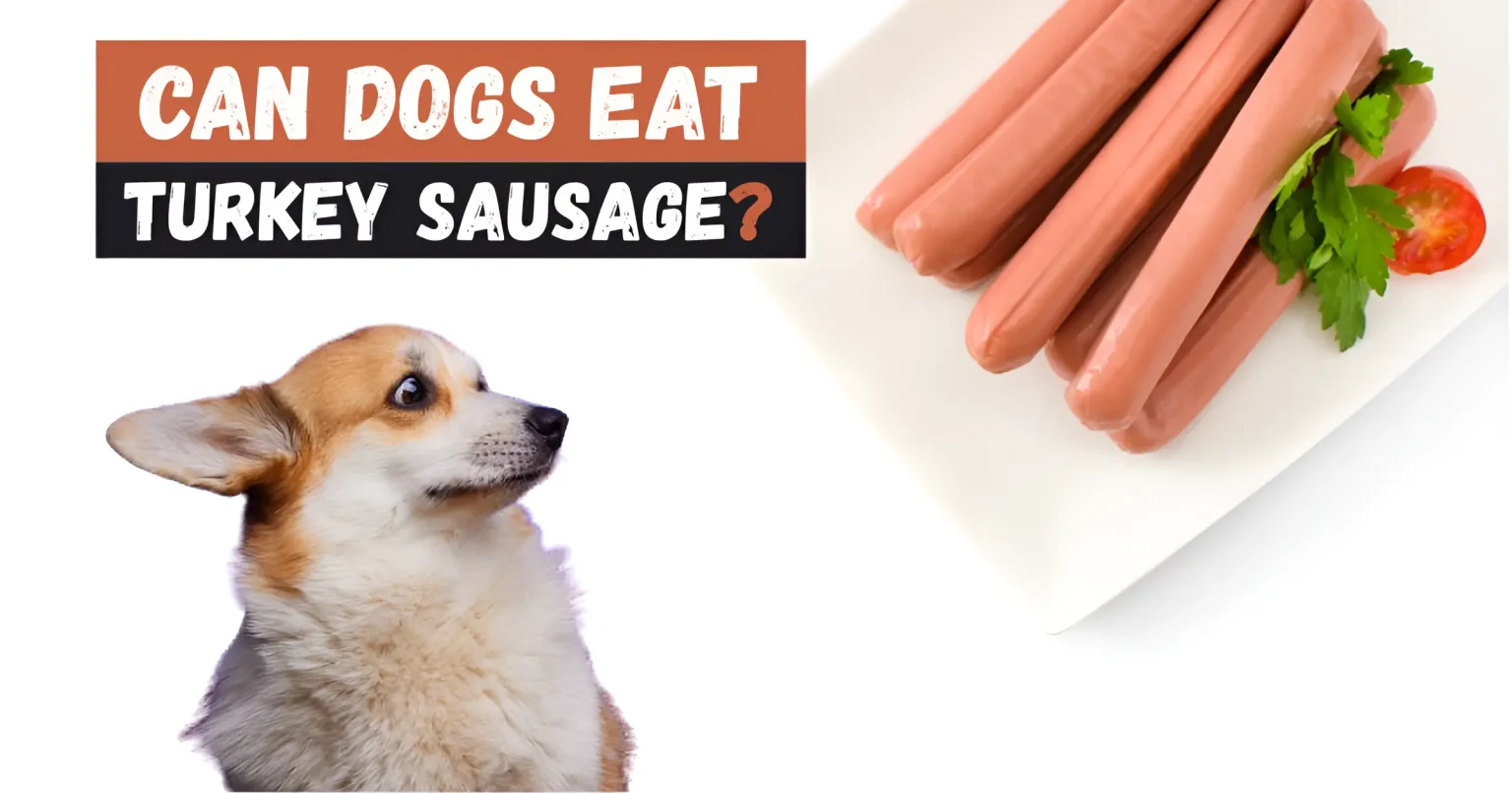
When it comes to feeding our dogs, many pet owners find themselves wondering whether certain human foods are safe to share. One such question that often comes up is: can dogs eat turkey sausage? On the surface, turkey sounds like a healthier alternative to pork or beef, so it might seem like a safe treat. However, the reality is more complex than a simple yes or no.
Understanding what goes into turkey sausage, how dogs digest food, and what risks may be involved is essential before offering even a small bite. This article explores everything you need to know in detail so you can make informed decisions about your dog’s diet.
Understanding What Turkey Sausage Really Is
Turkey sausage is not just plain turkey meat. While it is often marketed as a leaner and healthier option for humans, it is still a processed food. That means it typically contains a variety of added ingredients such as salt, spices, preservatives, oils, and sometimes sugar.
These additives are what make turkey sausage flavorful for people, but they can create problems for dogs. Unlike humans, dogs have much more sensitive digestive systems and lower tolerance for certain ingredients, especially sodium and strong seasonings.
Even if the base ingredient—turkey—is safe, the way it is prepared and processed changes everything.
Is Plain Turkey Safe for Dogs?
Before diving deeper into sausage, it’s important to clarify that plain, cooked turkey is generally safe for dogs when served properly. It should be:
- Fully cooked
- Unseasoned
- Free of bones and skin
Plain turkey can even be a good source of protein for dogs when given in moderation. It is often used in commercial dog foods and homemade diets.
However, turkey sausage is very different from plain turkey meat. The added ingredients are what turn a healthy protein into something potentially harmful.
Why Turkey Sausage Can Be Problematic
Turkey sausage may seem harmless, but several factors make it unsuitable for regular consumption by dogs.
High Sodium Content
One of the biggest concerns is salt. Turkey sausage is typically loaded with sodium to enhance flavor and preserve the product. Dogs do not need much salt in their diet, and excessive intake can lead to dehydration, increased thirst, and even more serious health issues over time.
Spices and Seasonings
Many turkey sausages contain garlic powder, onion powder, black pepper, paprika, and other spices. Garlic and onion, even in powdered form, are toxic to dogs and can damage their red blood cells. This can lead to anemia, weakness, and other complications.
Preservatives and Additives
Processed meats often include nitrates, nitrites, and artificial flavor enhancers. While these may be considered safe for humans in small quantities, they are not ideal for dogs and may contribute to long-term health risks.
Fat Content
Even though turkey is leaner than pork, turkey sausage can still contain a significant amount of fat. High-fat foods can upset a dog’s stomach and may increase the risk of pancreatitis, a painful and potentially serious condition.
What Happens If a Dog Eats Turkey Sausage?
If your dog eats a small piece of turkey sausage accidentally, there is usually no need to panic. In most cases, a small amount will not cause immediate harm, especially if the dog is otherwise healthy.
However, you should monitor your dog for any unusual symptoms such as:
- Vomiting
- Diarrhea
- Lethargy
- Excessive thirst
- Loss of appetite
These signs could indicate that your dog’s digestive system is reacting poorly to the food. If symptoms persist or worsen, it’s important to consult a veterinarian.
The risk becomes greater if a dog consumes a large quantity or eats turkey sausage regularly. Repeated exposure to high sodium and harmful seasonings can lead to more serious health issues over time.
Can Turkey Sausage Ever Be Safe for Dogs?
There are rare situations where turkey sausage could be safer, but it depends entirely on how it is prepared.
If the sausage is:
- Homemade
- Made with plain ground turkey
- Free from salt, spices, and preservatives
Then it may be closer to plain cooked turkey and could be offered occasionally in small portions. However, at that point, it’s essentially not “sausage” in the traditional sense anymore.
Store-bought turkey sausage, even those labeled as organic or natural, usually still contain ingredients that are not suitable for dogs.
Healthier Alternatives to Turkey Sausage
Instead of taking risks with processed foods, it’s better to stick with dog-friendly alternatives that provide similar nutritional benefits without the downsides.
Plain cooked turkey is an excellent option. It offers lean protein and is easy for dogs to digest when prepared correctly. Boiled or baked chicken is another safe choice.
You can also consider specially formulated dog treats made with turkey or other proteins. These are designed with canine health in mind and avoid harmful ingredients.
Homemade treats using simple ingredients like turkey, rice, and vegetables can also be a great way to provide variety without compromising safety.
How Much Is Too Much?
Portion control is important when feeding any human food to dogs. Even safe foods should only make up a small part of a dog’s diet.
If you do decide to give your dog a small taste of turkey sausage, it should be an occasional treat rather than a regular part of their meals. Overfeeding even small amounts can add up quickly and lead to health problems.
Dogs have different dietary needs based on their size, age, and activity level, so what might be a tiny amount for one dog could be excessive for another.
The Long-Term Impact of Feeding Processed Meats
Regularly feeding processed meats like turkey sausage can have long-term consequences for your dog’s health.
High sodium intake can strain the kidneys and heart. Excess fat can contribute to obesity, which increases the risk of joint problems, diabetes, and other chronic conditions.
Additives and preservatives may not cause immediate harm but can build up over time and negatively affect overall health.
Dogs thrive on simple, balanced diets. Introducing heavily processed foods disrupts that balance and can lead to avoidable health issues.
Understanding Your Dog’s Nutritional Needs
Dogs require a balanced diet that includes protein, fats, carbohydrates, vitamins, and minerals. High-quality commercial dog food is designed to meet these needs.
When you add human foods into your dog’s diet, it’s important to ensure they complement rather than disrupt this balance.
Foods like turkey sausage are not nutritionally necessary for dogs. They are more likely to introduce excess sodium and unhealthy fats than provide meaningful benefits.
Focusing on whole, unprocessed foods is always the better approach.
When to Contact a Veterinarian
If your dog eats turkey sausage and shows any concerning symptoms, it’s best to seek professional advice. While mild digestive upset may resolve on its own, more serious reactions should not be ignored.
Contact a veterinarian if you notice:
- Persistent vomiting or diarrhea
- Signs of dehydration
- Weakness or unusual behavior
- Pale gums or signs of anemia
Early intervention can prevent minor issues from becoming serious problems.
Final Thoughts
So, can dogs eat turkey sausage? Technically, a small accidental bite is unlikely to cause harm, but it is not a safe or recommended food for dogs. The risks associated with sodium, spices, and additives make it a poor choice compared to healthier alternatives.
If you want to treat your dog, it’s always better to choose foods that are specifically prepared for canine consumption or stick to plain, unseasoned meats.
Your dog’s health depends on consistent, thoughtful feeding habits. Avoiding processed human foods like turkey sausage is a simple but important step toward keeping your pet happy and healthy.
Frequently Asked Questions (FAQs)
Can dogs eat turkey sausage occasionally?
A very small amount on rare occasions is unlikely to cause harm, but it’s not recommended due to the presence of salt and spices.
Is turkey sausage better than pork sausage for dogs?
While turkey is leaner, turkey sausage still contains harmful additives, so it is not significantly safer for dogs.
What should I do if my dog ate a lot of turkey sausage?
Monitor your dog closely for symptoms like vomiting or diarrhea. If any unusual signs appear, contact a veterinarian.
Can puppies eat turkey sausage?
No, puppies have more sensitive digestive systems and should not be given processed foods like turkey sausage.
Is homemade turkey sausage safe for dogs?
It can be safer if made without salt, spices, or preservatives, but plain cooked turkey is still the better option.
Why is garlic in turkey sausage dangerous for dogs?
Garlic can damage red blood cells in dogs, leading to anemia and other serious health issues.
Are there any benefits of feeding turkey sausage to dogs?
There are no real benefits that outweigh the risks. Dogs can get all necessary nutrients from safer, healthier foods.
For More Visits: Animalsinfo
Also Read: Can Cats Eat Zucchini 2026: Healthy Feeding Guide