


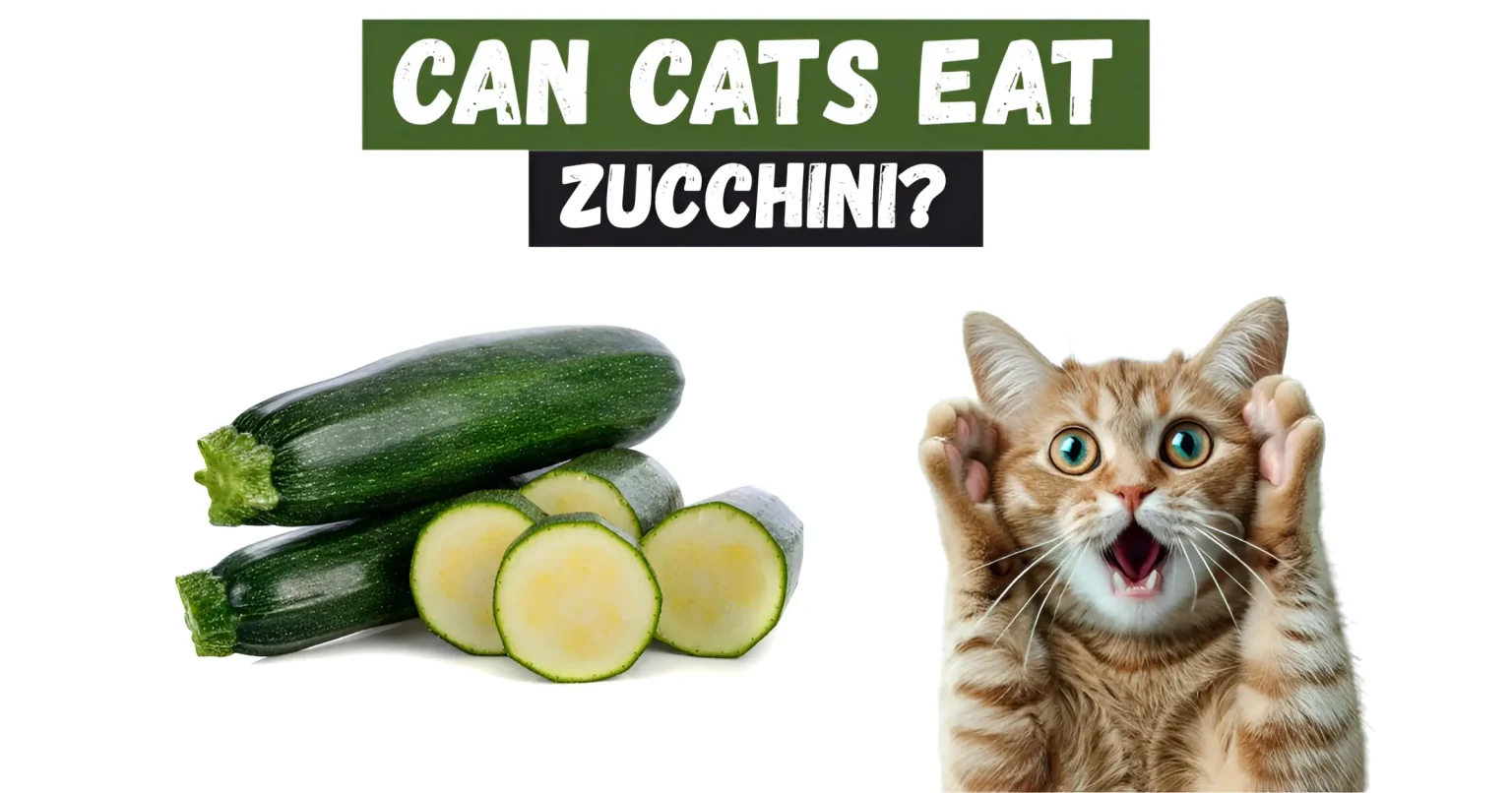
Can cats eat zucchini? If you have been chopping zucchini for dinner and noticed your cat watching the proceedings with the kind of attentive curiosity they reserve for anything happening in the kitchen, you may have wondered whether zucchini is something safe to offer them. Zucchini occupies an interesting position in the landscape of human foods that cats might encounter, because it sits in a genuinely different category from most of the foods discussed in feline nutrition conversations. It is not a sugary fruit with a high carbohydrate load. It is not a dairy product with lactose concerns. It is not a member of any toxic plant family. Zucchini is a mild, water-rich vegetable with a relatively simple nutritional profile, and its safety assessment for cats is correspondingly more straightforward than many other human foods — though straightforward does not mean without nuance, and there are still important considerations that shape whether and how zucchini can be part of your cat’s life in any meaningful way.
What Zucchini Actually Is and Why That Matters for Cats
Zucchini, known in some parts of the world as courgette, is a summer squash belonging to the Cucurbitaceae family — the same botanical family that includes cucumbers, pumpkins, melons, and other squash varieties. It is a vegetable in the culinary sense, though technically the fruit of the plant in botanical terms, and it is one of the most widely cultivated and consumed vegetables in the world precisely because of how mild, versatile, and easy to prepare it is.
From a nutritional standpoint, zucchini is notable primarily for what it lacks rather than what it contains in abundance. It is extremely low in calories, very low in sugar, very low in fat, and composed of approximately 95 percent water. The nutrients it does contain in meaningful amounts include vitamin C, vitamin B6, potassium, manganese, and folate, along with modest amounts of dietary fiber and small quantities of various antioxidants including lutein and zeaxanthin which are associated with eye health.
This nutritional profile — particularly the very low sugar and calorie content combined with high water content — is part of what makes zucchini a more interesting and less immediately problematic vegetable in the cat food conversation than fruits like berries or bananas. The concerns about sugar loading, carbohydrate metabolism disruption, and caloric contribution that apply to fruit-based treats are considerably less relevant to zucchini, which makes it one of the more defensible plant-based foods to discuss in the context of occasional cat treats.
Is Zucchini Safe for Cats — The Direct Answer
Plain, raw or cooked zucchini without any added seasonings, oils, salt, or other ingredients is not toxic to cats and is not associated with any known acute poisoning risk. It does not contain compounds that cause organ damage, it is not a member of any plant family known to be toxic to cats, and it does not have the kind of problematic phytochemical profile that makes plants like aloe or certain lilies genuinely dangerous. The ASPCA lists zucchini as non-toxic to cats, which places it in a favorable category relative to many other human foods that come up in feline nutrition discussions.
This non-toxic status combined with a nutritional profile that is relatively benign from a feline perspective means that zucchini sits in a genuinely more positive position than most human vegetables where cats are concerned. It is one of a relatively small number of plant-based foods that a cat can be offered without the conversation immediately pivoting to risk management and toxic compound concerns.
However, safe and non-toxic do not mean unlimited, necessary, or without any considerations. The fact that zucchini will not poison your cat does not mean that cats need zucchini, benefit significantly from it, or should have it in quantities beyond the genuinely small and occasional. Understanding what zucchini can and cannot offer a cat, and how it should be prepared and offered if you choose to share it, rounds out the picture in ways that matter for responsible cat ownership.
What Zucchini Can Offer Cats Nutritionally
Given that cats are obligate carnivores who derive essentially all of their nutritional needs from animal protein and fat, the question of what plant foods offer them nutritionally requires a somewhat different framing than the same question would for an omnivore. For most nutrients present in vegetables, a cat eating a complete and balanced commercial cat food is already getting everything they need in forms that their body is optimized to absorb from animal-based sources. Plant-based nutrients are generally less bioavailable to cats than animal-based equivalents, and cats lack some of the metabolic machinery that converts plant compounds into usable forms.
With that context established, zucchini does offer a few things that are worth noting. The high water content — approximately 95 percent — means that a cat eating zucchini is also consuming a meaningful amount of water, which is relevant because cats are notoriously poor water drinkers and many domestic cats operate in a state of mild chronic underhydration. Cats evolved in arid environments and historically obtained most of their water from prey, which meant their thirst drive developed to be relatively weak compared to their hydration needs in a domestic setting where they often eat dry kibble. Foods with high water content, including zucchini, contribute to overall hydration in a way that has genuine relevance to urinary tract health and kidney function.
The fiber content of zucchini, while modest, can support digestive regularity in small amounts. Some cats with mild constipation issues benefit from small additions of fiber to their diet, and zucchini provides this in a gentle, non-irritating form that is less likely to cause the digestive disruption that higher-fiber plant foods cause in cats.
The vitamin and antioxidant content of zucchini is real but should not be overstated in the context of cat nutrition. Cats synthesize vitamin C internally and do not require dietary supplementation. Potassium is present in cat food in adequate amounts. The antioxidant compounds in zucchini have theoretical health benefits, but whether cats absorb and utilize these compounds effectively from plant sources is not established with the same degree of certainty as their absorption from animal-based sources.
How Zucchini Should Be Prepared for Cats
The preparation method matters significantly when it comes to sharing zucchini with cats, and this is where the gap between what is safe in principle and what is safe in practice becomes relevant. Plain zucchini is non-toxic to cats. Zucchini prepared the way humans typically eat it is frequently not appropriate for cats because of everything that gets added to it during cooking.
Raw zucchini is safe for cats and has the advantage of preserving the high water content and full nutrient profile without introducing any cooking-related additives. However, raw zucchini can be harder to chew and digest than cooked, particularly for older cats or cats with dental issues. If you offer raw zucchini, cutting it into very small pieces reduces the choking risk and makes it more manageable.
Plain boiled or steamed zucchini with absolutely nothing added is also appropriate and has the advantage of softer texture that is easier for cats to chew and digest. The cooking process does reduce some water-soluble vitamins, but for the purposes of an occasional cat treat this reduction is not nutritionally significant.
The preparations that are not appropriate include essentially everything that makes zucchini taste good to humans. Zucchini sautéed in butter or olive oil introduces fat that contributes to the pancreatitis risk associated with high-fat foods in cats. Zucchini seasoned with salt, garlic, onion, or any spice blend introduces sodium and potentially toxic Allium compounds that are far more concerning than the zucchini itself. Zucchini in casseroles, stir-fries, pasta dishes, or any other composite human dish comes with a combination of ingredients that collectively make the dish completely inappropriate for cats regardless of the zucchini component.
Zucchini bread deserves specific mention because it is a common preparation that people sometimes assume is safer than other baked goods because it contains a vegetable. Zucchini bread is a sweet quick bread containing sugar, flour, eggs, oil, cinnamon, and sometimes raisins or walnuts — none of which are appropriate for cats, and the raisins that appear in some recipes are acutely toxic. The zucchini in zucchini bread does not make it cat-friendly in any meaningful sense.
How Much Zucchini Is Appropriate for Cats
Even a genuinely safe food should be offered in quantities that reflect its role as an occasional supplement rather than a dietary staple. For cats, this principle applies to all plant-based foods including zucchini, and the appropriate quantities are genuinely small by human standards.
A few small pieces of plain zucchini — roughly the size of a fingernail or smaller — offered occasionally is a reasonable treat quantity for a healthy adult cat. This amount provides some hydration benefit and satisfies whatever curiosity the cat has about the food without displacing the animal-based nutrition that should constitute the overwhelming majority of their diet. Offering zucchini once or twice a week at most, in these small portions, keeps it firmly in the occasional treat category where it belongs.
Larger quantities of zucchini can cause digestive upset in cats even though the vegetable is non-toxic. The fiber content, which is manageable in small amounts, can cause bloating, gas, and loose stools when consumed in larger quantities by a digestive system that is optimized for animal protein rather than plant fiber. The high water content that is beneficial in small amounts can contribute to loose stools if consumed in excess. These effects are not dangerous but they are uncomfortable for the cat and unnecessary.
Cats with specific health conditions require additional consideration. Cats with kidney disease need careful dietary management including controlled potassium intake in some cases, and the potassium content of zucchini makes it something to discuss with a veterinarian before offering to a cat with kidney disease. Cats with diabetes benefit from consistent low-carbohydrate diets, and while zucchini is very low in carbohydrates and sugar, any dietary additions for diabetic cats should be discussed with a veterinarian managing their condition.
Why Most Cats Show Little Interest in Zucchini
An important practical reality of the cat and zucchini conversation is that most cats, when offered zucchini, will simply walk away from it with the particular expression of mild disdain that cats deploy when presented with something that fails to meet their standards. Cats are obligate carnivores who cannot taste sweetness, are primarily motivated by the fat and protein content of foods, and generally have limited interest in mild, water-rich vegetables that offer none of the sensory cues associated with the animal-based foods their biology is designed to pursue.
This lack of interest is not a problem — it is actually the most biologically appropriate response and means you do not need to worry about your cat aggressively seeking out zucchini or consuming it in problematic quantities out of enthusiasm. The cats that do show interest in zucchini are typically motivated by texture curiosity, the novelty of something their owner is handling and paying attention to, or occasionally the residual scent of other foods that were prepared on the same cutting board.
If your cat shows absolutely no interest in zucchini, there is no reason to persist in offering it. The modest benefits of occasional zucchini — primarily the hydration contribution — can be addressed far more reliably through encouraging water intake with a cat water fountain, offering wet food as part of the diet, or discussing supplementation approaches with your veterinarian.
Zucchini Compared to Other Cat-Safe Vegetables
Zucchini is not the only vegetable that cats can safely encounter, and understanding how it compares to other cat-safe options helps contextualize its place in the landscape of occasional plant-based treats. Plain cooked pumpkin or butternut squash is similarly non-toxic and is frequently recommended by veterinarians for cats with mild constipation because of its fiber content. Cooked plain green beans are another commonly cited safe vegetable option. Plain cooked carrots, while higher in sugar than zucchini, are also considered non-toxic and are used as treats in some commercial cat treat products.
Among these options, zucchini’s combination of very low sugar content, high water content, mild flavor, and soft texture when cooked makes it one of the more practically sensible choices for cats that do accept plant-based treats. It is not better than the others in any absolute sense, but its nutritional profile is particularly well-suited to the specific concerns most relevant to feline health — sugar load and hydration.
None of these vegetables should be thought of as necessary additions to a cat’s diet. They are all optional, all secondary to the animal-based nutrition that forms the appropriate foundation of feline feeding, and all subject to the same basic principle that treats of any kind should represent a very small fraction of a cat’s total daily food intake.
Frequently Asked Questions – Can cats eat zucchini?
Can cats eat zucchini skin? The skin of a plain, clean zucchini is not toxic to cats, but it is tougher and more fibrous than the flesh and harder for cats to chew and digest. If you are offering zucchini to your cat, peeling it and offering only the flesh in small soft pieces reduces the digestive challenge and choking risk associated with the tougher skin. Washing the zucchini thoroughly before peeling is important to remove any pesticide residue on the outer surface.
Can cats eat zucchini seeds? Zucchini seeds are small, soft, and not toxic to cats. Unlike the seeds of some other plants, zucchini seeds do not contain cyanogenic compounds or other toxic substances. That said, for very small cats or kittens, even small seeds can represent a choking concern, and offering seedless flesh is a simpler approach that avoids the question entirely.
My cat ate zucchini from a stir-fry. Should I be worried? This depends entirely on what else was in the stir-fry. The zucchini itself is not a concern, but stir-fry dishes commonly contain garlic, onion, soy sauce, and various seasonings — all of which are inappropriate for cats, and garlic and onion in particular are toxic. Contact your veterinarian, describe all the ingredients in the dish, and follow their guidance on whether monitoring at home is sufficient or whether your cat needs to be seen.
Is zucchini good for cats with urinary tract issues? The high water content of zucchini makes it theoretically relevant to urinary tract health by contributing to overall hydration, which supports healthy urine production and dilution. However, cats with diagnosed urinary tract conditions require specific dietary management that should be directed by a veterinarian. Zucchini should not be used as a treatment or primary management tool for urinary issues, and any dietary changes for cats with this condition should be discussed with a veterinary professional.
Can kittens eat zucchini? Very small amounts of plain cooked zucchini are not toxic to kittens, but kittens have highly specific nutritional needs during their growth phase that are best met exclusively through high-quality kitten food. Introducing treats or supplementary foods during kittenhood can interfere with proper nutrition and digestive development. Waiting until a cat is fully grown before introducing any optional food additions is the more conservative and generally recommended approach.
How do I introduce zucchini to my cat for the first time? Start with a single very small piece of plain cooked zucchini and observe your cat’s response over the following 24 hours. Most cats will simply ignore it or sniff and walk away. If your cat eats it, watch for any signs of digestive upset including vomiting, loose stools, or unusual lethargy. If no negative response occurs, you can offer occasional small amounts going forward. If your cat shows any negative reaction, discontinue offering it and the situation resolves itself simply.
Zucchini lands in a genuinely positive position within the conversation about cats and human foods — non-toxic, nutritionally benign, and practically useful in small amounts as an occasional hydration-supporting treat for cats that accept it. It does not require the extensive risk management framework that many other human foods do when the cat-safe question arises. The main qualifications are the ones that apply to all supplementary cat treats: keep portions small, keep preparation plain, keep frequency genuinely occasional, and remember that no vegetable fills a nutritional role in a cat’s diet that their regular food does not already address more appropriately. For the cat that watches you cook with that particular air of hopeful attention, a small piece of plain zucchini is one of the more defensible things you could share — which in the context of feline nutrition conversations is a more positive conclusion than many foods get to reach.
Always consult with a qualified veterinarian before making changes to your cat’s diet or introducing new foods, particularly if your cat has existing health conditions, is on medication, or has a history of digestive sensitivity. This article is intended for general informational purposes only and is not a substitute for professional veterinary advice. Your veterinarian is the best resource for guidance tailored to your individual cat’s specific health needs and dietary requirements.
For More Visits: Animalsinfo