

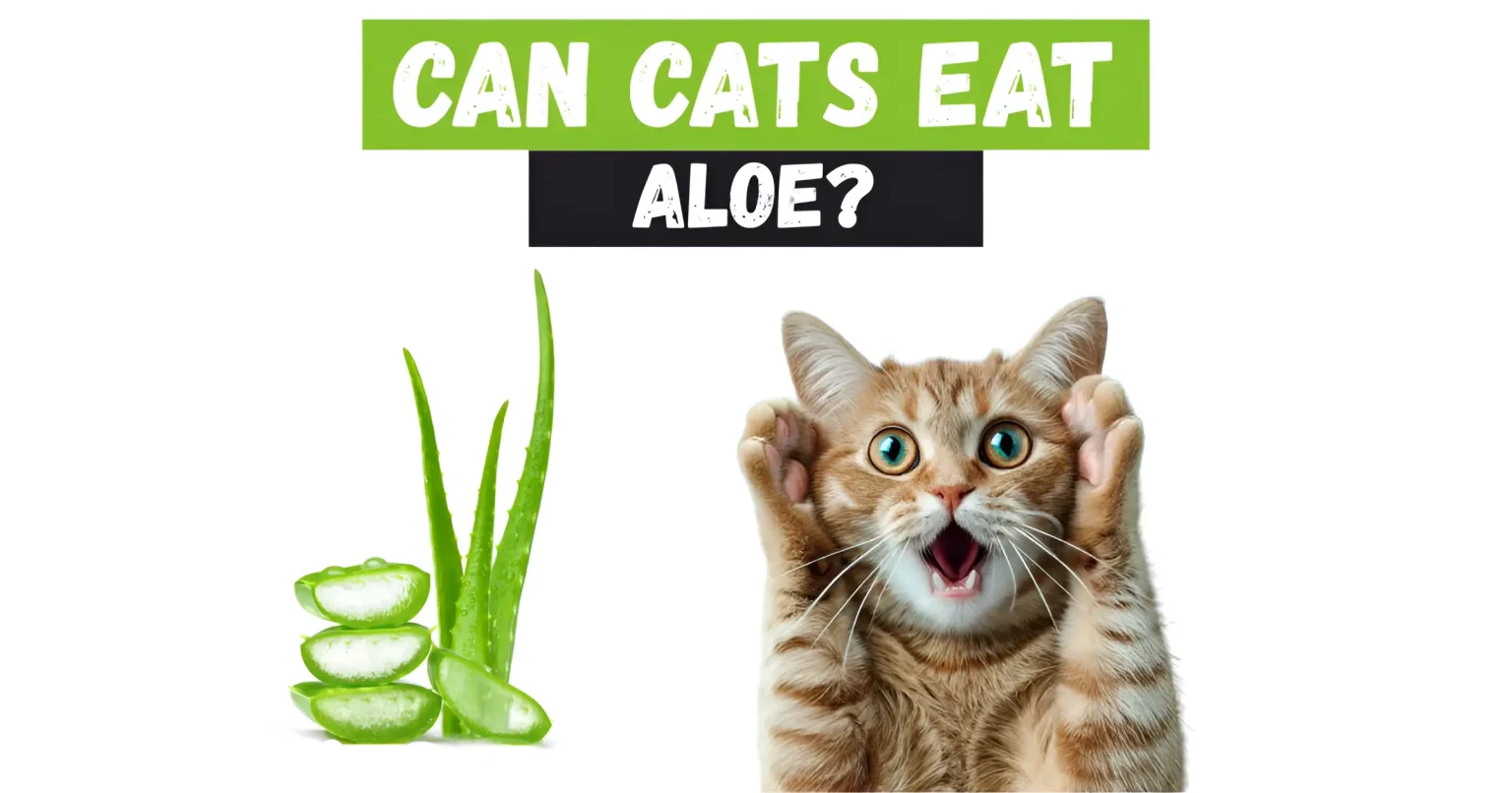
Can cats eat aloe? If you have an aloe vera plant sitting on your windowsill — and given how popular aloe has become as both a decorative houseplant and a natural health remedy, there is a reasonable chance you do — you may not have given much thought to whether that plant poses any risk to your cat. Aloe vera has such a universally positive reputation in human wellness culture that it can feel almost absurd to think of it as dangerous. It is in skincare products, health drinks, sunburn remedies, and dietary supplements. It is recommended by naturopaths, sold in health food stores, and kept in countless homes as a first aid plant for minor burns and skin irritations. How could something so universally associated with healing and natural health be a problem for a cat?
The answer lies in the fundamental biological difference between humans and cats that shapes every conversation about feline nutrition and toxicology — what is beneficial or harmless for one species can be genuinely harmful to another, and aloe vera is one of the clearer examples of this principle in action. Aloe is toxic to cats, and understanding exactly why, what the risks look like in practice, and how to manage your home environment accordingly is information that every cat owner with an aloe plant needs to have.
What Aloe Vera Actually Contains and Why It Matters
To understand why aloe is toxic to cats, it helps to understand what the plant actually contains, because aloe vera is not a chemically simple plant. It produces several distinct substances in different parts of its structure, and not all of them carry the same risk profile.
The gel that most people are familiar with — the clear, mucilaginous substance found in the inner leaf — is what is used in skincare products and health drinks. This gel contains water, polysaccharides including acemannan, various vitamins, minerals, and amino acids. In humans, this gel is well tolerated topically and in small dietary amounts, which is the basis for its widespread use in cosmetics and health products.
However, the aloe plant also produces a substance called latex — sometimes called aloe latex or aloin — which is found in the layer of cells just beneath the outer skin of the leaf. Aloe latex is a yellow, bitter liquid that contains compounds called anthraquinones, particularly aloin and barbaloin. These anthraquinone compounds are potent laxatives in humans and have been used medicinally for that purpose for centuries, but they are far more problematic in cats whose metabolic systems process these compounds very differently.
The toxic components in aloe vera where cats are concerned are primarily these anthraquinone glycosides along with other compounds including saponins. Saponins are a class of chemical compounds found in many plants that have detergent-like properties — they can disrupt cell membranes and cause significant gastrointestinal irritation. Together, the anthraquinones and saponins in aloe create a toxic profile that makes the plant genuinely dangerous for cats to ingest.
The Specific Ways Aloe Toxicity Affects Cats
When a cat ingests aloe vera — whether by chewing on the plant, licking gel from a product, or consuming any part of the leaf — the toxic compounds begin affecting their system relatively quickly. The gastrointestinal system is typically the first and most visibly affected, which reflects the direct irritant properties of the saponins and the powerful laxative effects of the anthraquinones acting on the intestinal lining.
Vomiting is usually among the earliest symptoms to appear after aloe ingestion in cats. The irritating compounds cause the stomach to reject the contents as quickly as possible, and vomiting may occur within an hour of ingestion depending on how much was consumed and in what form. Diarrhea follows as the anthraquinones stimulate increased fluid secretion into the intestines and accelerate intestinal motility — the same mechanism that makes aloe latex a laxative in humans, operating with considerably more disruptive force in a cat’s more sensitive digestive system.
These gastrointestinal symptoms are more than just uncomfortable. Repeated vomiting and diarrhea cause rapid fluid and electrolyte loss that can lead to dehydration, and dehydration in cats progresses quickly and can become serious within a relatively short period, particularly in smaller cats, elderly cats, or cats that were already in less than optimal health before the exposure.
Beyond the gastrointestinal effects, aloe toxicity in cats can cause lethargy and depression, loss of appetite that may persist beyond the initial acute phase, tremors in more significant exposures, and changes in urine color — a red or orange discoloration of the urine that reflects the presence of anthraquinone compounds being excreted through the kidneys and is a distinctive indicator of aloe ingestion that veterinarians use as a diagnostic signal.
In severe cases or cases involving substantial ingestion, aloe toxicity can affect the nervous system and cause more serious neurological symptoms. While fatalities from aloe ingestion in cats are not commonly reported in veterinary literature, the potential for serious harm from significant exposure is real and makes prompt veterinary attention essential rather than optional when aloe ingestion is known or suspected.
The Deceptive Safety Profile of Aloe Products
One of the most important and underappreciated aspects of the aloe toxicity risk for cats is how many aloe-containing products exist in a typical home beyond the actual plant itself. The widespread use of aloe vera in cosmetic, pharmaceutical, and health products means that cats can be exposed to aloe compounds through routes that many cat owners would never think to consider as a risk.
Aloe vera gel sold in bottles for sunburn and skin care is perhaps the most obvious example. This product is designed to be applied to human skin, stored in bathrooms or on countertops where cats frequently explore, and left in containers that a curious cat might lick or knock over. The concentration of aloe compounds in bottled gel products varies by formulation, and some products contain additional ingredients beyond aloe that create their own concerns.
Aloe vera juice and drinks, which have become popular as health beverages, contain aloe in a form specifically intended for human internal consumption. While commercial aloe drinks are typically processed to reduce the anthraquinone content — the laxative compounds that made aloe latex potentially harmful even to humans in high doses — they still contain aloe compounds that are not appropriate for cats, and spills or unsecured containers can lead to cat exposure.
Skin care products including lotions, creams, after-sun products, and various cosmetics frequently list aloe vera as an ingredient. Cats that groom themselves after physical contact with a person who has applied an aloe-containing product, or cats that investigate and lick skin care products left accessible, can receive aloe exposure in ways that seem completely unrelated to the houseplant in the corner.
Aloe vera supplements in capsule or liquid form, which some people take as digestive health products, represent another potential exposure route if left accessible to a curious cat.
Understanding this broader landscape of aloe-containing products in a typical home is important for comprehensive risk management, not just awareness of the plant itself.
Why Cats Are Attracted to Aloe Plants
Given that aloe is toxic to cats, understanding why cats are sometimes attracted to the plant helps with prevention. Cats are attracted to aloe plants for several reasons that have nothing to do with the plant being good for them, which is a pattern that recurs throughout feline interactions with toxic plants.
The texture of aloe leaves — firm, succulent, and with a slight give when bitten — can appeal to cats that enjoy chewing on plants as a form of stimulation or dental engagement. Cats that do not have adequate opportunities for enrichment or appropriate chewing outlets sometimes turn to available plants as substitutes, and the physical properties of aloe leaves make them appealing from a purely tactile standpoint.
Some cats are drawn to the moisture content of succulent plants. Aloe leaves contain significant water in the gel layer, and cats with inadequate water intake sometimes investigate moisture-containing plants out of a form of thirst-driven curiosity. This is particularly relevant in households where water availability for cats is not optimized — cats are notoriously poor drinkers and many operate in a state of mild chronic dehydration that can increase their interest in moisture-containing plants.
The novelty factor also plays a role. Cats are naturally curious animals that investigate their environment thoroughly, and a plant sitting at accessible height with interesting texture and smell represents exactly the kind of environmental feature that triggers feline investigation. This investigation does not imply attraction in any meaningful sense — it is simply the expression of normal feline curiosity that can have toxic consequences with certain plants.
Managing Aloe Plants Safely in a Home With Cats
For cat owners who value their aloe plants and do not want to remove them from the home entirely, the practical question becomes how to manage their presence safely. The most effective approach involves physical separation — placing aloe plants in locations that are genuinely inaccessible to cats rather than simply out of easy reach.
Cats are extraordinarily agile climbers and jumpers, which means that a plant placed on a shelf or countertop that seems high enough to be out of reach may be easily accessible to a determined cat. Rooms that can be closed off from cat access, hanging planters secured from ceiling fixtures that cats cannot reach even from nearby surfaces, or outdoor placement in climates where the plant can thrive outside are the most reliable separation strategies.
If complete physical separation is not achievable, certain deterrent approaches can reduce a cat’s interest in a specific plant. Placing double-sided tape around the base of the plant or on nearby surfaces discourages investigation because cats dislike the sticky texture on their paws. Citrus-scented deterrent sprays applied to the area around the plant exploit cats’ strong aversion to citrus smells. These approaches are not foolproof but can reduce the frequency of plant investigation in cats that are not strongly motivated to access the plant.
For cat owners who use aloe gel or aloe-containing products on their own skin, ensuring that products are stored securely, that containers are closed after use, and that product application happens in spaces where cats are not present reduces the risk of incidental exposure through grooming or direct contact.
What to Do If Your Cat Has Accessed Aloe
If you discover that your cat has chewed on your aloe plant or accessed an aloe-containing product, the appropriate response depends on several factors but should always begin with contact to a veterinarian or animal poison control rather than a wait and see approach.
Describe the situation as completely as possible — which part of the plant was accessed if you can tell, approximately how much was consumed, when you believe the exposure occurred, and what symptoms if any your cat is currently showing. This information helps the veterinarian assess the likely severity of the exposure and advise you on the most appropriate next steps.
Do not attempt to induce vomiting in your cat at home without specific instruction from a veterinarian. Inducing vomiting in cats is considerably more complicated and potentially more dangerous than in dogs, and the methods sometimes suggested online for home use can cause serious harm. If induced vomiting is appropriate for the situation, a veterinarian will advise you on how to do it safely or will perform it in a clinical setting.
If your cat is already showing symptoms — vomiting, diarrhea, lethargy, tremors, or any other signs of illness — treat this as a situation requiring prompt veterinary evaluation rather than home monitoring. The combination of fluid loss from gastrointestinal symptoms and the systemic effects of aloe compounds can progress more quickly in cats than in larger animals, and early veterinary intervention is always more effective than responding to advanced symptoms.
The Broader Context of Toxic Houseplants and Cats
Aloe sits within a considerably larger category of common houseplants that are toxic to cats, and awareness of this broader landscape is part of responsible cat ownership in homes where plants are present. Many of the most popular and widely cultivated houseplants — including lilies, which are among the most severely toxic plants for cats and can cause fatal kidney failure from even small exposures, along with pothos, philodendron, dieffenbachia, peace lily, and snake plant — are toxic to cats to varying degrees.
The fact that a plant is commonly sold in garden centers, widely recommended in home decor contexts, and generally considered safe for humans to keep in their homes does not say anything meaningful about its safety for cats. The toxicology of plants is species-specific, and a plant that poses no risk to humans can be severely toxic to cats for reasons rooted in the fundamental differences in feline metabolism and physiology.
For cat owners who want to incorporate plants into their home environment, researching the specific toxicity profile of each plant with respect to cats before bringing it home is a straightforward preventative measure that avoids the far more complicated and distressing process of managing toxic exposure after it has already occurred. The ASPCA maintains a comprehensive database of toxic and non-toxic plants for cats that is a practical starting point for this research.
Frequently Asked Questions – Can cats eat aloe?
Can cats be around aloe plants without touching them? The risk from aloe is through ingestion rather than proximity. A cat that is in the same room as an aloe plant but does not chew on it or come into contact with the gel is not at risk from simply being near the plant. The concern arises when a cat chews the leaves, licks the gel, or contacts products containing aloe and then grooms the substance from their fur or paws.
Is aloe gel from a bottle less dangerous than the plant itself? Bottled aloe gel products vary in their formulation, and some commercial products are processed to remove or reduce the most acutely toxic anthraquinone compounds. However, they still contain aloe compounds that are not appropriate for cats, and the additional ingredients in many commercial gel products introduce their own concerns. Neither the raw plant nor bottled aloe gel products should be considered safe for cats to ingest.
My cat ate aloe and seems completely fine. Should I still call a vet? Yes. Aloe toxicity symptoms in cats can take time to develop fully, and a cat that appears normal immediately after ingestion may develop symptoms over the following hours. Additionally, some of the effects of aloe ingestion — electrolyte imbalances, early kidney stress — are not externally visible in the initial phase. A call to your veterinarian to describe the exposure and receive guidance is always appropriate regardless of how your cat currently appears.
Are there any safe uses of aloe for cats? Some veterinary products incorporate highly processed aloe-derived compounds at controlled concentrations for specific therapeutic purposes. These are formulated specifically for animal use and are categorically different from household aloe plants or human aloe products. Never apply aloe products designed for humans to a cat’s skin or coat, and never give a cat aloe gel or juice intended for human consumption regardless of what you may read online about potential benefits.
How do I know if a plant in my home is toxic to my cat? The most reliable resource for checking plant toxicity for cats is the ASPCA Animal Poison Control Center’s online database of toxic and non-toxic plants, which covers thousands of plant species with specific information about which animals are affected and what symptoms exposure causes. When in doubt about any plant in your home, checking this resource before your cat has access to the plant is far preferable to researching it after an exposure has occurred.
Can kittens be more seriously affected by aloe than adult cats? Yes. Kittens are smaller, their detoxification systems are still developing, and they reach dangerous thresholds of toxic compound exposure at lower absolute doses than adult cats. Kittens are also more likely to chew on novel objects out of developmental curiosity. Homes with kittens should be particularly rigorous about keeping aloe plants and aloe-containing products completely inaccessible.
The conclusion about aloe and cats is clear and does not require balancing competing considerations the way that some other food and plant safety questions do. Aloe vera is toxic to cats, the toxic compounds affect multiple body systems, the plant and its derivatives appear in enough common household products that the risk extends beyond the potted plant on the windowsill, and there is no context in which a cat needs or benefits from aloe exposure. The appropriate response to this information is straightforward — keep aloe plants out of your cat’s reach, store aloe-containing products securely, and know what to do immediately if exposure occurs anyway. Your cat’s natural curiosity about the plants in their environment is a normal and healthy expression of feline behavior. Making sure that curiosity does not lead them to something that can hurt them is simply part of the responsibility that comes with sharing your home with an obligate carnivore navigating a world full of things that were never designed with their biology in mind.
Always consult with a qualified veterinarian immediately if you suspect your cat has ingested aloe vera or any other potentially toxic plant or substance. This article is intended for general informational purposes only and does not constitute professional veterinary advice. For the most accurate guidance on your specific cat’s situation, contact your veterinarian or the ASPCA Animal Poison Control Center. Time is critical in toxic exposure situations — never delay seeking professional guidance while waiting to see if symptoms develop.
For More Visits: Animalsinfo