

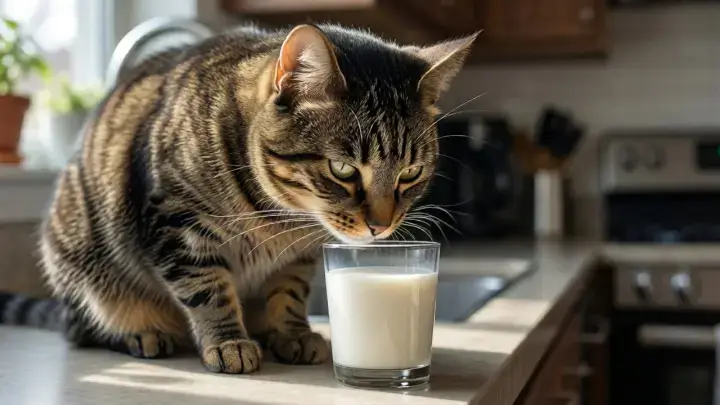
Cats are known for being curious about whatever their owners eat or drink. Whether it is milk, snacks, or plant-based alternatives, many cat owners often notice their pets trying to lick or taste human food. One common question that comes up in modern pet care is: can cats have almond milk?
At first glance, almond milk may seem harmless because it is plant-based and often considered a healthy alternative for humans. However, when it comes to cats, their digestive system works very differently from ours. What is safe for humans is not always suitable for animals, especially obligate carnivores like cats.
This article explores in detail whether almond milk is safe for cats, how their bodies react to it, potential risks, and what safer alternatives exist for hydration and treats.
Understanding a Cat’s Dietary Nature
To understand whether almond milk is appropriate for cats, it is important to first understand what cats are designed to eat. Cats are obligate carnivores, meaning their bodies are biologically built to derive nutrition primarily from animal-based proteins.
Unlike humans or even dogs, cats do not require plant-based foods to meet their nutritional needs. Their digestive system is short and highly specialized for processing meat. They lack certain enzymes needed to efficiently break down plant materials.
Because of this biological structure, cats thrive on diets that are rich in animal proteins such as chicken, fish, and meat-based commercial cat food. Any food outside this category, including plant-based milk alternatives, needs to be carefully evaluated.
What Is Almond Milk Made Of?
Almond milk is a plant-based beverage made by blending almonds with water and then straining the mixture. Some commercial versions also include added ingredients such as sweeteners, stabilizers, flavors, and vitamins.
For humans, almond milk is often used as a dairy substitute, especially for those who are lactose intolerant or following a vegan diet. It is generally low in calories and contains small amounts of vitamins and minerals.
However, the nutritional composition of almond milk is very different from animal milk. It does not naturally contain protein levels suitable for feline nutrition, nor does it provide essential nutrients that cats require in their diet.
Can Cats Safely Drink Almond Milk?
The simple answer is that cats can technically drink small amounts of almond milk, but it is not recommended as a regular part of their diet.
Almond milk is not toxic to cats in most cases. A small lick or accidental consumption is unlikely to cause serious harm. However, “not toxic” does not automatically mean “safe or beneficial.”
Many cats may experience digestive sensitivity when consuming plant-based milk alternatives. Their stomachs are not designed to process certain plant compounds or additives found in commercial almond milk.
Therefore, while a tiny amount may not be dangerous, it should not be treated as a safe or beneficial drink for cats.
Why Cats Are Drawn to Milk-Like Drinks
It is common for cats to show interest in milk or milk-like beverages. This behavior often confuses pet owners, especially when cats are lactose intolerant yet still seem attracted to dairy or plant-based milk.
The reason is mostly sensory. Cats are drawn to the smell, texture, and temperature of milk-like liquids. In nature, young kittens consume their mother’s milk, so there is an instinctive association with creamy liquids.
However, adult cats lose the ability to properly digest lactose. Even though almond milk does not contain lactose, the creamy texture may still attract them due to familiarity.
Nutritional Value of Almond Milk for Cats
From a nutritional standpoint, almond milk does not offer meaningful benefits for cats. It contains minimal protein, which is the most important nutrient for feline health.
Cats require amino acids like taurine, which are found in animal-based proteins. Almond milk does not contain taurine or other essential nutrients required for maintaining heart health, vision, and overall metabolic function in cats.
Additionally, almond milk is often diluted and may contain added sugars or flavoring agents that provide no benefit to cats and may even contribute to digestive imbalance if consumed frequently.
Potential Risks of Almond Milk for Cats
While almond milk is not classified as toxic, it still carries potential risks when given to cats, especially in regular amounts.
One of the most common issues is digestive upset. Cats may experience diarrhea, bloating, or mild stomach discomfort after consuming plant-based milk. This is due to their limited ability to process certain plant fibers and additives.
Another concern is added ingredients. Many commercial almond milk products contain sweeteners, preservatives, or flavoring agents that are not suitable for pets. Some artificial sweeteners can be harmful, depending on the type used.
Over time, regular exposure to inappropriate foods may also affect a cat’s overall digestive balance, leading to sensitivity or irregular bowel movements.
Is Almond Milk Better Than Regular Milk for Cats?
Many pet owners compare almond milk with regular cow’s milk, assuming plant-based alternatives are automatically safer. While almond milk does not contain lactose, which is a common issue in cow’s milk, that does not make it ideal for cats.
Both types of milk have limitations. Cow’s milk can cause lactose intolerance symptoms, while almond milk lacks nutritional value and may still cause digestive issues.
In both cases, water remains the safest and most important hydration source for cats.
Why Water Is the Best Choice
Cats naturally obtain moisture from food in the wild. However, domestic cats often rely on water bowls for hydration. Clean, fresh water is the only essential liquid for cats.
Unlike almond milk or other human beverages, water does not contain additives, sugars, or unnecessary ingredients. It supports kidney function, digestion, and overall health without introducing any risks.
Encouraging cats to drink more water is far more beneficial than offering milk alternatives.
Occasional Exposure vs Regular Feeding
If a cat accidentally consumes a small amount of almond milk, there is usually no cause for concern. Many cats may not show any reaction at all.
However, intentionally feeding almond milk regularly is not recommended. Even if no immediate symptoms appear, long-term consumption does not provide any health benefits and may lead to unnecessary dietary imbalance.
Pet owners should always prioritize consistency and simplicity in feline nutrition.
Observing Your Cat’s Reaction
Every cat is different. Some may tolerate almond milk without visible issues, while others may react quickly with digestive discomfort.
If a cat shows signs such as vomiting, diarrhea, or loss of appetite after consuming almond milk, it is best to avoid giving it again. Monitoring behavior after introducing any new food or drink is important for responsible pet care.
Understanding individual tolerance helps ensure better long-term health for the pet.
Healthier Alternatives to Almond Milk
Instead of almond milk, there are safer options for cats that want variety in their diet or hydration experience.
Some pet-safe broth options made specifically for cats can be used occasionally as treats. These are usually formulated without harmful ingredients and provide better compatibility with feline digestion.
However, even these should be given in moderation, as water should always remain the primary source of hydration.
The Role of Treats in a Cat’s Diet
Treats can be part of a healthy cat diet when used responsibly. However, treats should never replace balanced nutrition.
If pet owners want to offer something special, it is better to choose products specifically designed for cats rather than human food alternatives like almond milk.
Understanding the difference between treats and dietary essentials is key to maintaining a healthy feline lifestyle.
Conclusion
So, can cats have almond milk? The answer is that they can consume it in very small amounts without immediate danger, but it is not recommended as part of their regular diet.
Almond milk does not provide essential nutrients for cats and may cause mild digestive issues in some cases. While it is less problematic than dairy milk in terms of lactose content, it still does not meet feline nutritional needs.
The safest and most beneficial choice for cats is always clean, fresh water along with a properly balanced cat diet designed for their biological requirements.
Pet owners should focus on nutrition that supports long-term health rather than human food substitutes that offer little value to cats.
FAQs
1. Can cats have almond milk safely?
Yes, in very small amounts it is generally not toxic, but it is not recommended as a regular drink.
2. Is almond milk better than cow’s milk for cats?
It avoids lactose but still lacks proper nutrition and may cause digestive issues.
3. Can almond milk make cats sick?
Some cats may experience diarrhea or stomach discomfort after consuming it.
4. What is the best drink for cats?
Fresh, clean water is the safest and most important hydration source.
5. Can kittens drink almond milk?
No, kittens should only consume mother’s milk or vet-approved kitten formula.
6. Should almond milk be used as a cat treat?
It is not necessary and safer alternatives designed for cats are recommended.
For More Visits: Animalsinfo