


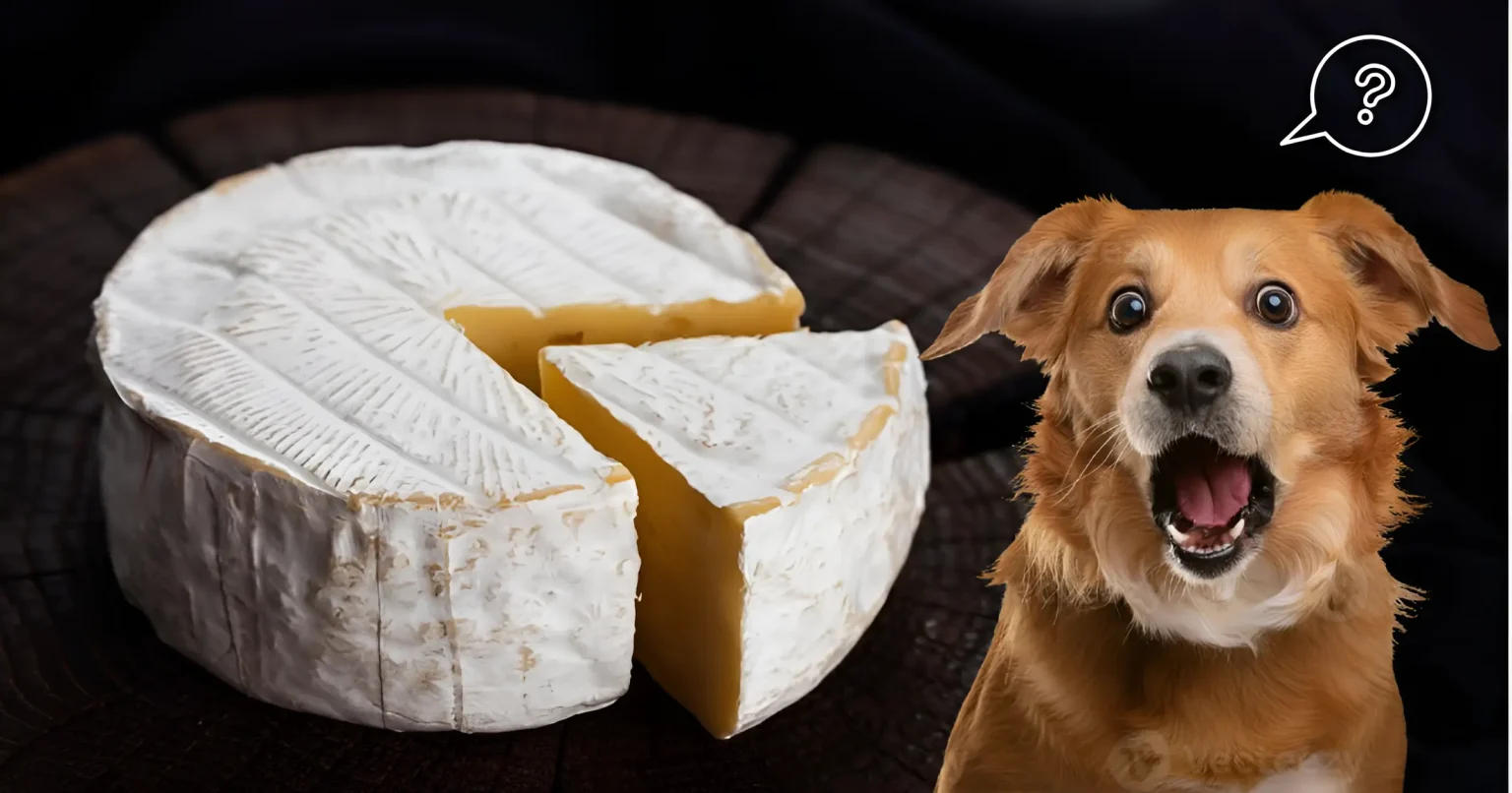
Cheese is often seen as one of those irresistible human foods that many dog owners love to share with their pets. Whether it’s given as a training reward, a quick snack, or simply because dogs beg for it, cheese is a common treat in many households. However, not all cheeses are created equal, and some can be dangerous for dogs. One cheese that sparks curiosity among pet owners is brie cheese. Rich, creamy, and flavorful, brie is a popular choice for humans, but can dogs eat brie cheese?
This article explores whether dogs can eat brie cheese, the potential risks, any small benefits, safe alternatives, and answers to the most frequently asked questions. By the end, you’ll have a clear understanding of whether this cheese belongs anywhere near your dog’s food bowl.
What is Brie Cheese?
Brie cheese is a soft French cheese made from cow’s milk. It is well-known for its creamy interior and edible white rind. The flavor of brie is mild yet buttery, and its high fat content makes it rich and smooth. People often serve it as part of cheese boards, baked dishes, or with bread and fruit.
For humans, brie is a delicacy. But when it comes to dogs, what seems delicious and harmless to us can pose significant health challenges.
Can Dogs Eat Brie Cheese?
The short answer is no, dogs should not eat brie cheese. While brie is not toxic in the way that chocolate or grapes are, it is not a safe choice for dogs because of its high fat, salt, and lactose levels. Dogs that consume brie cheese risk stomach problems, long-term health issues, and in some cases, emergency conditions like pancreatitis.
Why Brie Cheese is Unsafe for Dogs
1. High Fat Content
Brie is one of the fattiest cheeses available. Dogs that consume high-fat foods regularly are more likely to develop obesity, heart disease, and joint problems. Even a small portion can contribute to excessive calorie intake.
More critically, high-fat foods like brie increase the risk of pancreatitis, a painful and potentially life-threatening condition where the pancreas becomes inflamed.
2. High Salt Levels
Cheese, including brie, contains a considerable amount of sodium. Dogs are much more sensitive to salt than humans. Too much salt can lead to sodium poisoning, causing vomiting, diarrhea, tremors, and even seizures.
3. Lactose Intolerance
Many adult dogs are lactose intolerant. Brie cheese contains lactose, and when dogs eat it, they may experience bloating, gas, diarrhea, or stomach cramps.
4. Mold-Ripened Nature
Brie is a mold-ripened cheese. While the white rind is safe for humans, moldy or fermented foods can sometimes upset a dog’s digestive system and contribute to harmful bacterial imbalances.
Are There Any Benefits of Brie Cheese for Dogs?
Unlike other cheeses that can be offered occasionally in moderation, such as mozzarella or cottage cheese, brie offers very few benefits to dogs. While it does contain calcium and protein, the risks far outweigh the rewards.
A small accidental bite of brie is unlikely to cause severe harm, but it is not a treat that should ever be deliberately included in your dog’s diet.
What to Do if Your Dog Eats Brie Cheese
If your dog sneaks a small piece of brie, you usually don’t need to panic. Monitor them closely for signs of discomfort such as:
- Vomiting
- Diarrhea
- Bloating or gas
- Lethargy
- Loss of appetite
If your dog eats a large amount of brie, especially a small breed, you should contact your veterinarian immediately. They may recommend bringing your dog in for evaluation, especially if there is concern about pancreatitis or sodium poisoning.
Healthier Cheese Alternatives for Dogs
If you enjoy giving cheese as an occasional treat, opt for safer options. These cheeses are lower in fat and salt, making them more suitable for dogs:
- Cottage cheese: Low in fat and lactose, making it gentler on the stomach.
- Mozzarella: Mild and less fatty compared to brie.
- Cheddar (in small amounts): A common choice, but should still be offered sparingly.
These alternatives should only be given in moderation and never replace a balanced dog diet.
Safer Treat Alternatives Beyond Cheese
If you want to avoid dairy altogether, there are plenty of healthy, dog-friendly treats:
- Carrots
- Green beans
- Apple slices (without seeds)
- Blueberries
- Pumpkin
These options are natural, low-calorie, and much safer than brie cheese.
Frequently Asked Questions (FAQs)
1. Can dogs eat brie cheese in very small amounts?
A tiny bite is unlikely to cause harm, but it is best to avoid it altogether. Even small amounts contribute unnecessary fat, salt, and lactose to your dog’s diet.
2. Is brie cheese toxic to dogs?
Brie is not directly toxic like chocolate or onions, but it is considered unsafe because of its high fat, sodium, and lactose levels.
3. Can puppies eat brie cheese?
No. Puppies have even more sensitive stomachs than adult dogs, and brie can quickly upset their digestion and lead to long-term health issues.
4. What happens if a dog eats too much brie cheese?
Large amounts can cause vomiting, diarrhea, abdominal pain, and in serious cases, pancreatitis or sodium poisoning. Immediate veterinary care may be required.
5. Is the rind of brie cheese dangerous for dogs?
The rind is edible for humans but may cause digestive upset in dogs. It should not be given.
6. What cheeses are safe for dogs?
Low-fat and low-salt cheeses like cottage cheese and mozzarella are generally safe in moderation.
7. Can dogs eat other moldy cheeses like blue cheese?
No. Blue cheese and other mold-ripened cheeses are highly dangerous for dogs and should always be avoided.
Conclusion
So, can dogs eat brie cheese? The answer is no. Brie cheese is far too high in fat, salt, and lactose to be considered safe for dogs. While a small accidental bite is not likely to be toxic, feeding brie intentionally is risky and unnecessary. The dangers of digestive upset, pancreatitis, and sodium poisoning outweigh any small nutritional benefit this cheese may offer.
For pet owners, the key takeaway is to prioritize your dog’s health by sticking to safe, dog-friendly treats. If you want to share cheese with your pet, choose options like cottage cheese or mozzarella, and always serve them sparingly. By avoiding risky foods like brie, you protect your dog’s long-term health and ensure their diet remains balanced and safe.
For More Visits: AnimalsInfo
Also Read: Can Dogs Eat Broccoli Raw? Healthy 2025 Power Guide