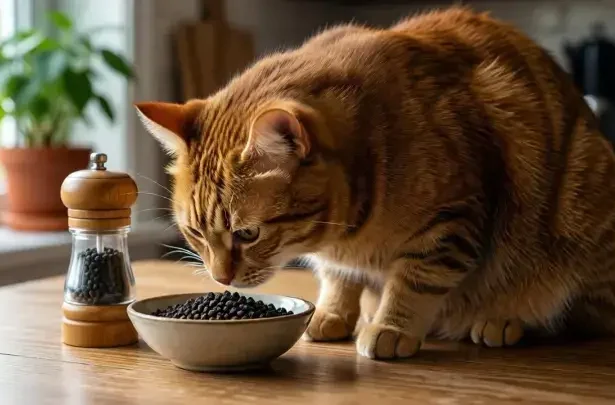


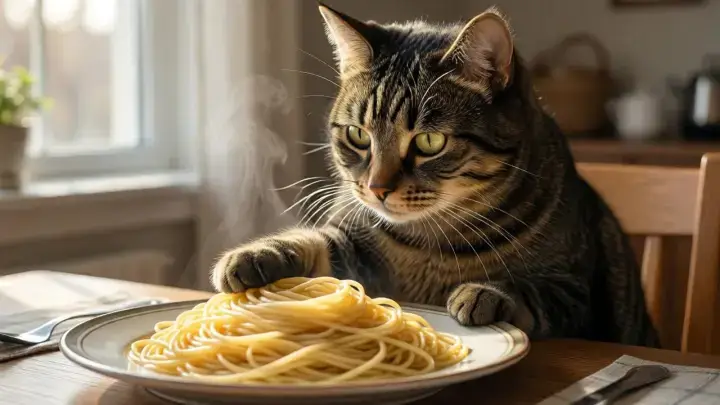
When it comes to sharing food with pets, cat owners often wonder whether human meals are safe for their furry companions. One of the most common questions is: can cats eat spaghetti? At first glance, spaghetti might seem harmless. After all, it is just pasta, usually made from simple ingredients like flour and water. However, when we look closely at how cats digest food and what ingredients are typically included in spaghetti dishes, the answer becomes more complex.
Cats are curious creatures. Many owners have seen their cats sniffing or even trying to sneak a bite of human food during meal times. But curiosity does not always mean suitability. Understanding whether spaghetti is safe for cats requires looking at both the pasta itself and the sauces or seasonings that usually come with it.
Understanding a Cat’s Natural Diet
Domestic cats such as domestic cat are obligate carnivores. This means their bodies are designed to thrive on animal-based protein rather than plant-based foods like pasta. In the wild, their diet consists mainly of small prey such as birds and rodents, which provide essential nutrients like taurine, protein, and fats.
Unlike humans, cats do not require carbohydrates as a major energy source. Their digestive systems are not optimized to process large amounts of grains or processed starches. This is the first important factor when evaluating whether spaghetti is suitable for them.
What Exactly Is Spaghetti Made Of?
Spaghetti is a type of pasta made primarily from wheat flour and water. Some variations include eggs, but the base ingredient remains carbohydrates. On its own, plain boiled spaghetti is not toxic to cats. However, it does not provide any meaningful nutritional benefit either.
The real concern begins when spaghetti is served the way humans usually eat it—with sauces, spices, oils, garlic, onions, or meat seasoning. These additions can significantly change how safe the food is for cats.
Can Cats Eat Plain Spaghetti?
If a cat accidentally eats a small amount of plain cooked spaghetti, it is generally not harmful. The pasta itself does not contain toxic ingredients. However, that does not mean it is a good food for cats.
Because cats are not designed to digest large amounts of carbohydrates, eating spaghetti can sometimes lead to mild digestive upset. This may include bloating, soft stools, or temporary discomfort. It does not offer any nutritional value that supports a cat’s health.
So while plain spaghetti is not dangerous in small amounts, it is still unnecessary and should not be part of a regular diet.
The Problem with Spaghetti Sauce
The biggest risk comes from spaghetti sauce. Most traditional sauces contain ingredients that are harmful to cats. For example, garlic and onions are commonly used for flavoring, but both are toxic to cats even in small amounts.
Tomato-based sauces may also cause mild stomach irritation in some cats due to their acidity. Additionally, sauces often contain salt, sugar, and artificial additives that are not suitable for feline digestion.
Cream-based or meat-based sauces can also be problematic because they often include seasonings, dairy, or fats that cats struggle to process properly.
How Cats React to Human Food
Cats are naturally curious about human food, but their reaction is often driven by smell rather than taste. Unlike humans, cats do not have a strong sense of sweetness and are not attracted to carbohydrates in the same way.
When a cat shows interest in spaghetti, it is usually because of the smell of meat, butter, or sauce rather than the pasta itself. This is why they may attempt to taste it even though it is not suitable for them.
What Happens If a Cat Eats Spaghetti?
If a cat eats a small piece of plain spaghetti, there is usually no cause for concern. However, if the spaghetti contains sauce or seasoning, the situation may be different.
Mild symptoms may include vomiting, diarrhea, or reduced appetite. In more serious cases—especially if garlic or onion is involved—there could be more severe reactions such as lethargy or digestive distress.
It is important for cat owners to monitor their pets if they accidentally consume human food and seek veterinary advice if symptoms persist.
Why Cats Cannot Digest Pasta Properly
Cats lack certain enzymes needed to break down large amounts of carbohydrates efficiently. While they can digest small amounts, their bodies are not designed to rely on grains or starches for energy.
Their digestive system is optimized for protein and fat metabolism. This is why high-quality cat food focuses on meat-based ingredients rather than fillers like wheat or corn.
Feeding spaghetti regularly can disrupt this balance and lead to unnecessary strain on their digestive system.
Are Any Pasta Dishes Safe for Cats?
There is no pasta dish specifically designed for cats, but extremely simple, unseasoned pasta in very small amounts is not toxic. However, “not toxic” does not mean “healthy.”
Even if a cat enjoys a small bite of plain pasta, it should only be an occasional accidental treat rather than a planned food item. Cats require a diet that is rich in animal protein and essential nutrients that pasta cannot provide.
Healthier Alternatives for Cats
Instead of sharing spaghetti, cat owners can offer safer treats that align with their pet’s dietary needs. Cooked plain chicken, turkey, or specially formulated cat treats are much better choices.
Commercial cat foods are designed to meet all nutritional requirements, including vitamins, minerals, and amino acids that cats cannot get from human food.
Providing appropriate food ensures long-term health and prevents unnecessary digestive issues.
The Role of Human Habits in Feeding Pets
Many cat owners share food out of affection. It feels natural to offer a bite of what we are eating. However, human food habits do not always align with animal health needs.
Spaghetti is a perfect example of a meal that is suitable for humans but not ideal for cats. Even when it appears harmless, the hidden ingredients in sauces and seasonings can pose risks.
Understanding this difference helps prevent accidental feeding of inappropriate foods.
Long-Term Effects of Feeding Spaghetti to Cats
Occasional accidental exposure to spaghetti is unlikely to cause long-term harm. However, regular feeding of carbohydrate-heavy foods can lead to nutritional imbalance.
Over time, this may contribute to weight gain, digestive sensitivity, or reduced appetite for proper cat food. Cats that fill up on human food may also miss out on essential nutrients needed for their health.
Maintaining a consistent diet is important for their overall well-being.
Behavioral Aspects of Feeding Cats Human Food
Cats that are frequently given human food may begin to expect it. This can lead to begging behavior or refusal to eat their regular meals.
Once this habit forms, it can be difficult to reverse. This is why it is generally recommended to avoid feeding cats table food, including spaghetti.
Responsible Feeding Practices
Responsible pet ownership involves understanding what is safe and what is not. While sharing food may feel like a bonding experience, it is important to prioritize the cat’s health.
Keeping human food, especially complex dishes like spaghetti, away from pets ensures they maintain a balanced diet. Small accidental exposures are usually not harmful, but intentional feeding should be avoided.
Conclusion
So, can cats eat spaghetti? The simple answer is that plain spaghetti is not toxic, but it is not suitable or beneficial for cats. The real danger lies in sauces and seasonings that often accompany it, many of which contain ingredients harmful to feline health.
Cats thrive on protein-rich diets specifically designed for their needs. While curiosity may lead them to human food, responsible feeding practices are essential for their long-term health.
Spaghetti may be a comforting meal for humans, but for cats, it is best left off the menu. Understanding this helps ensure that our feline companions stay healthy, happy, and well-nourished.
FAQs
1. Can cats eat spaghetti safely?
Plain spaghetti is not toxic, but it is not recommended for cats.
2. What happens if a cat eats spaghetti sauce?
Sauce may contain harmful ingredients like garlic or onion, which can be toxic.
3. Is plain pasta good for cats?
No, it offers no nutritional value and may cause mild digestive issues.
4. Can kittens eat spaghetti?
Kittens should avoid human food completely as they need specialized nutrition.
5. Why do cats like spaghetti?
They are attracted to the smell of meat or sauce, not the pasta itself.
6. What should I do if my cat eats spaghetti?
Monitor for symptoms and consult a vet if any unusual behavior appears.
7. Is pasta a regular part of a cat’s diet?
No, cats do not need carbohydrates as a dietary staple.
8. What is a better alternative to spaghetti for cats?
Plain cooked meat or vet-approved cat food is much safer and healthier.
For More Visits: Animalsinfo
Also Read: Can Cats Eat Spicy Food – Safe Guide & Powerful Facts 2026