


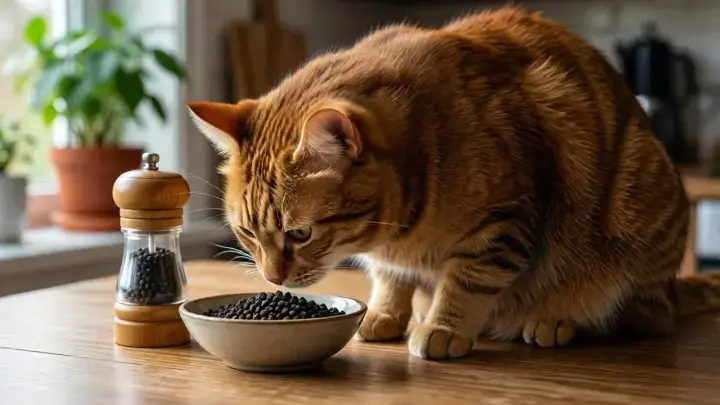
Cats are naturally curious creatures. Their interest in human food often raises questions about what is safe for them to eat. One common question that pet owners ask is: can cats eat black pepper? Black pepper is a common spice used in kitchens around the world, known for its strong aroma and sharp taste. While it adds flavor to human meals, it is important to understand how it affects cats before allowing them to consume it.
Black pepper is made from the dried fruit of the Piper nigrum plant. It contains compounds such as piperine, which give it its distinct pungent taste. While these compounds are harmless for humans in typical amounts, cats have a much more sensitive digestive system and unique dietary needs.
This guide will cover everything cat owners need to know about black pepper and cats. It will discuss safety, potential risks, alternative options, and common questions about feeding cats spices.
Understanding a Cat’s Natural Diet
Cats are obligate carnivores. This means they rely almost entirely on animal-based proteins for their nutritional needs. Their digestive system is designed to process protein and fat efficiently but is not well-equipped to handle plant-based compounds, especially strong spices.
In the wild, cats consume small prey such as rodents, birds, and insects. These foods provide essential nutrients including taurine, arginine, and arachidonic acid. Unlike omnivores, cats do not need carbohydrates, spices, or other plant compounds for survival.
Because of this, human spices such as black pepper are not necessary in a cat’s diet. They may be curious about the smell or taste, but it does not offer any nutritional benefit.
What Is Black Pepper?
Black pepper is a spice commonly used in cooking. It comes from the dried berries of the Piper nigrum plant and is often ground into fine powder or used as whole peppercorns.
The primary active compound in black pepper is piperine, which gives it its sharp, pungent flavor. In humans, black pepper can improve digestion and enhance the flavor of food. It is also known for minor antioxidant properties.
However, cats have a very different physiology. Their taste receptors do not respond to spiciness the way humans do. Instead, strong spices can irritate a cat’s mouth, throat, and digestive system.
Is Black Pepper Safe for Cats?
The short answer is no, cats should not eat black pepper. While small accidental ingestion may not always cause serious harm, black pepper can irritate a cat’s gastrointestinal tract and cause discomfort.
Cats have sensitive mouths, and the piperine in black pepper can produce a burning or stinging sensation. If ingested in larger amounts, it can lead to vomiting, diarrhea, or abdominal pain.
Additionally, some cats may react more severely than others. Because of this variability, it is safest to avoid giving black pepper to cats entirely.
Why Cats Should Avoid Spices
Cats do not have the same taste preferences as humans. They cannot taste sweetness and are highly sensitive to strong flavors and aromas. Spices like black pepper can overwhelm their senses and lead to stress or discomfort.
Moreover, cats’ digestive systems are not equipped to process the compounds found in most spices. Certain plant-derived chemicals can irritate the stomach lining, trigger nausea, or even create long-term digestive issues if consumed repeatedly.
Potential Risks of Black Pepper for Cats
Feeding black pepper to cats carries several risks:
- Digestive upset: Ingesting black pepper may cause vomiting, diarrhea, or gas.
- Irritation: The pungent compounds can irritate the mouth, throat, and gastrointestinal tract.
- Respiratory issues: Inhalation of powdered black pepper can irritate a cat’s nasal passages or lungs, potentially causing sneezing or coughing.
- Behavioral stress: Some cats may avoid eating or become anxious when exposed to strong smells like black pepper.
Because of these potential risks, even small amounts of black pepper should be avoided.
Accidental Ingestion
If a cat accidentally consumes a small pinch of black pepper, monitor them closely. Signs of discomfort may include:
- Sneezing or coughing
- Drooling
- Vomiting
- Diarrhea
- Pawing at the mouth
In most cases, a tiny accidental amount may pass without serious consequences. However, if symptoms persist or your cat appears distressed, it is important to contact a veterinarian.
Alternatives to Flavor Cats’ Food
While black pepper is unsafe, there are safe ways to enhance your cat’s diet or provide flavor without risk:
- Plain cooked meat: Chicken, turkey, or fish can be served plain as a treat.
- Cat-safe herbs: Small amounts of catnip or cat grass can provide interest and enrichment.
- Commercial treats: Specially formulated cat treats are flavored safely and nutritionally balanced.
- Broths: Unsalted, low-fat broths can add aroma to dry food without harmful spices.
These options provide stimulation and flavor without exposing your cat to risks associated with black pepper.
How to Keep Cats Safe Around Spices
To prevent accidental ingestion of black pepper:
- Keep spice containers out of reach. Cats are naturally curious and may knock over jars or sniff open containers.
- Avoid using spiced leftovers as cat food. Foods with seasoning can be dangerous.
- Clean surfaces where pepper is used. Residual powder may be accidentally ingested if it lands on counters or floors.
- Educate family members about the dangers of feeding cats spiced food.
Prevention is the best strategy to keep cats safe from harmful human foods.
Why Some People Consider Spices for Cats
Some pet owners believe that small amounts of spices might provide health benefits. However, most spices, including black pepper, do not offer meaningful benefits for cats. Unlike humans, cats do not need antioxidant compounds from spices, and their bodies cannot safely process many plant-based chemicals.
Because of this, any potential benefit is outweighed by the risk of irritation or digestive upset.
Cats and Human Food: General Guidelines
When considering human food for cats, keep these principles in mind:
- Moderation: Cats should receive most of their nutrition from high-quality cat food.
- Avoid spices: Strong flavors and seasonings can be harmful.
- Observe reactions: New foods may cause vomiting or diarrhea if not tolerated.
- Safe treats only: Use protein-rich, unseasoned foods or commercial cat treats.
These guidelines help ensure your cat stays healthy while exploring new tastes safely.
Final Thoughts
So, can cats eat black pepper? The answer is no. Black pepper does not provide nutritional benefits for cats and can irritate their mouth, throat, and digestive system. Even a small amount may lead to discomfort, vomiting, or diarrhea.
Cats are obligate carnivores, and their diets should focus on high-quality protein and fat from animal sources. If you want to provide treats or enhance their meals, stick to plain cooked meats, cat-safe herbs, or specially formulated treats.
Keeping black pepper and other strong spices away from your cat ensures their safety and prevents unnecessary digestive issues or stress. By understanding what foods are safe, you can protect your cat’s health and enjoy worry-free feeding.
Frequently Asked Questions (FAQs)
Can cats eat black pepper?
No, cats should not eat black pepper. It can irritate their digestive system and cause vomiting or diarrhea.
What happens if my cat eats black pepper?
Ingesting black pepper may cause mouth irritation, stomach upset, vomiting, or diarrhea. Observe your cat closely if this occurs.
Can small amounts of black pepper be safe?
Even small amounts are not recommended. Cats are sensitive to strong flavors, and any ingestion may cause discomfort.
Are there safe spices for cats?
Cats do not need spices in their diet. Safe flavor options include catnip, cat grass, or small amounts of plain cooked meat.
Can inhaling black pepper harm cats?
Yes, inhaling powdered black pepper may irritate their nose and lungs, causing sneezing or coughing.
Can black pepper be used in homemade cat food?
No, black pepper should never be included in homemade cat food. Stick to plain, unseasoned ingredients.
What are safe alternatives to add flavor to cat food?
Plain cooked meat, low-sodium broth, catnip, and cat-safe treats are safe ways to add flavor without risk.
For More Visits: Animalsinfo
Also Read: Can Cats Eat Brown Rice? 7 Healthy Safe Tips (2026)


