


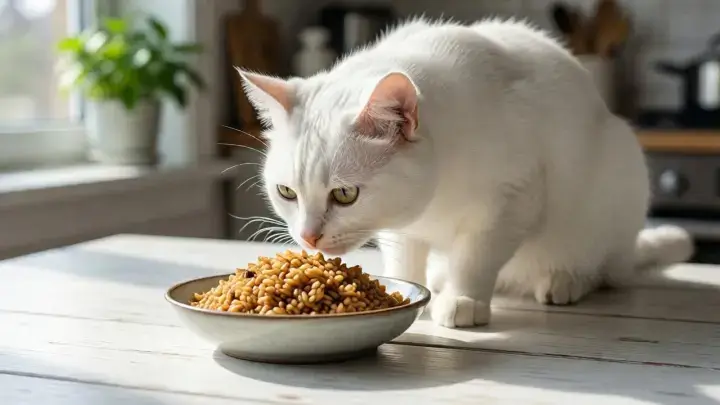
Cats are known for their curious eating habits, often showing interest in foods that humans eat. One common question cat owners have is: can cats eat brown rice? While rice is a staple in many human diets, cats have very different nutritional needs. Understanding whether brown rice is safe for cats, and how it may affect their health, is essential for any responsible pet owner.
Brown rice is considered healthier than white rice for humans because it contains more fiber, vitamins, and minerals. It is less processed, retaining its bran and germ layers. For humans, this makes it an excellent source of slow-release energy and nutrients. But the question remains: does it provide any benefits for cats, or could it be harmful?
This guide will explore everything you need to know about feeding brown rice to cats, including its safety, nutritional value, possible risks, and alternatives. It will also address common questions that cat owners have about including grains in a feline diet.
Understanding a Cat’s Natural Diet
To understand whether brown rice is appropriate for cats, we first need to look at their natural dietary habits. Cats are obligate carnivores, meaning that their bodies are designed to derive most nutrients from animal-based sources. Protein from meat is essential for their health, and cats require amino acids such as taurine, arginine, and methionine, which are primarily found in animal tissue.
In the wild, cats hunt small animals such as birds, rodents, and insects. These prey provide the perfect balance of protein, fat, and essential nutrients. Unlike humans or omnivorous animals, cats do not require significant amounts of carbohydrates in their diet. Their digestive systems are not designed to process large amounts of plant-based foods efficiently.
Because of this, grains like brown rice are not a natural part of a cat’s diet. While cats can digest some carbohydrates, rice provides very little nutritional value compared to meat. It may be tolerated in small amounts but is not necessary for their overall health.
What Is Brown Rice?
Brown rice is the whole-grain version of rice. Unlike white rice, it retains its outer bran layer, germ, and endosperm. This makes it richer in fiber, vitamins such as B-complex, minerals like magnesium and manganese, and antioxidants.
For humans, brown rice is valued for its health benefits, including improved digestion, stable blood sugar levels, and sustained energy release. Its fiber content helps regulate digestion, and it is often recommended for a healthy diet.
However, for cats, the situation is different. While cats can digest some carbohydrates, they do not rely on them for energy. Instead, cats obtain energy from protein and fat. Brown rice may be safe in very small amounts but does not provide nutrients that are essential for feline health.
Is Brown Rice Safe for Cats?
Yes, brown rice is generally safe for cats in small amounts, provided it is cooked and plain. Raw rice is not digestible and can be hard on a cat’s stomach, potentially causing vomiting or digestive upset. Cooking rice softens it, making it easier for a cat to chew and digest.
It is important to note that brown rice should never replace meat or complete cat food. It should only be offered as an occasional supplement or treat. Some commercial cat foods include rice as a minor ingredient, but in those cases, the overall formula ensures that cats still receive all essential nutrients.
Why Cats Might Be Interested in Rice
Cats are naturally curious and often explore whatever their owners are eating. They may be attracted to rice simply because of its smell, texture, or the attention it gets during human mealtime. Some cats enjoy the soft texture of cooked rice and may nibble at it out of curiosity.
However, just because a cat shows interest in rice does not mean it is beneficial for them. Cats are obligate carnivores, and their bodies require a diet primarily composed of protein and fat from animal sources.
Nutritional Content of Brown Rice
Brown rice contains several nutrients valuable to humans, including:
- Carbohydrates: Brown rice is rich in complex carbs, which provide energy for humans. Cats, however, do not need significant carbohydrates.
- Fiber: Fiber aids digestion in humans, but cats require minimal fiber. Too much fiber may cause digestive upset.
- Vitamins and minerals: Brown rice contains B vitamins, magnesium, manganese, and iron. While these are beneficial for humans, cats can synthesize or obtain most necessary vitamins from meat.
Overall, while brown rice is safe in small amounts, it does not contribute much to a cat’s nutritional needs.
Possible Benefits of Brown Rice for Cats
Even though it is not necessary, there are minor situations where brown rice could be beneficial for cats:
- Digestive support: A small amount of cooked brown rice can sometimes help a cat with mild digestive issues by adding gentle bulk to the stool.
- Filler for bland diets: Veterinarians sometimes recommend small amounts of plain rice for cats recovering from stomach upset, as it is easy to digest.
- Occasional treat: Brown rice can provide variety in texture and taste for curious cats.
These benefits are limited and should never replace a balanced feline diet.
Potential Risks of Feeding Brown Rice to Cats
Despite its safety in small portions, there are potential risks:
- Digestive upset: Feeding too much rice can cause diarrhea, bloating, or constipation in some cats.
- Nutritional imbalance: Over-reliance on grains can reduce protein intake, leading to deficiencies over time.
- Choking hazard: Large, uncooked grains of rice or sticky rice can pose a choking risk.
- Weight gain: Rice contains calories from carbohydrates. Excessive feeding may contribute to obesity, especially in sedentary indoor cats.
For these reasons, moderation is key. Brown rice should never be offered frequently or in large amounts.
How to Safely Serve Brown Rice to Cats
If you want to offer brown rice to your cat, it should be:
- Cooked: Raw rice is hard to digest and may cause stomach upset.
- Plain: Avoid adding salt, spices, oil, or butter. These ingredients can be harmful to cats.
- Small portion: Only a teaspoon or less is sufficient as an occasional treat.
- Optional addition: Mix with a small amount of cooked protein, like chicken, to make it more palatable and nutritionally balanced.
Introducing rice gradually allows you to monitor your cat for any signs of digestive issues.
How Much Brown Rice Can Cats Eat?
Brown rice should only be an occasional supplement and not a regular part of a cat’s diet. A tiny amount, such as a teaspoon of cooked rice, is enough for an occasional treat or to mix with bland food during digestive recovery.
Treats of any kind, including rice, should make up no more than 5-10% of a cat’s total daily diet. The majority of nutrition should come from high-quality cat food formulated to meet feline dietary needs.
When Brown Rice Is Not Suitable for Cats
Some cats should avoid rice entirely, particularly those with:
- Diabetes or blood sugar sensitivity, as rice contains carbohydrates that may impact glucose levels.
- Chronic digestive problems that are worsened by fiber or plant-based foods.
- Obesity or weight management issues, as rice can add unnecessary calories.
Kittens should also focus on a diet of high-quality kitten food rather than rice, as they require concentrated nutrients to grow properly.
Healthier Alternatives to Rice for Cats
While rice is safe in moderation, there are other treats and additions that better support a cat’s nutritional needs:
- Cooked meat: Chicken, turkey, or fish provide high-quality protein.
- Commercial cat treats: Designed specifically for feline health, providing both nutrition and flavor.
- Small amounts of pumpkin: Plain pumpkin is a safe fiber source that can support digestion.
These alternatives align more closely with a cat’s natural dietary requirements and can provide variety without nutritional compromise.
Final Thoughts
So, can cats eat brown rice? Yes, brown rice is generally safe in very small amounts and when cooked and plain. It can sometimes provide minor digestive support or act as a tiny treat.
However, it is not nutritionally essential for cats and should never replace meat or a complete cat food diet. Overfeeding rice can cause digestive upset, weight gain, or nutritional imbalance.
If you choose to give brown rice, keep portions tiny, introduce it gradually, and monitor your cat for any signs of discomfort. Focus on providing high-quality, protein-rich cat food as the main component of their diet, and use rice only as an occasional supplement or treat.
By understanding the role of grains like brown rice in a cat’s diet, you can make informed decisions that support long-term health and wellbeing.
Frequently Asked Questions (FAQs)
Can cats eat cooked brown rice?
Yes, cooked brown rice is safe in small amounts. Always serve it plain and in tiny portions.
Is brown rice good for a cat’s digestion?
In small quantities, it can help with mild digestive upset, but it is not necessary for daily nutrition.
Can kittens eat brown rice?
Kittens should focus on balanced kitten food rather than rice to ensure proper growth and nutrient intake.
Can brown rice cause digestive problems in cats?
Feeding too much rice can cause diarrhea, constipation, or bloating in some cats.
How often can cats eat brown rice?
Brown rice should only be offered occasionally, not as a daily food. Treats should make up no more than 5-10% of their diet.
Can brown rice help a cat with upset stomach?
Small amounts of plain cooked rice may be recommended temporarily to help with mild digestive issues.
Are there better alternatives to brown rice for cats?
Yes, small portions of cooked meat, pumpkin, or commercial cat treats provide better nutrition while being safe for cats.
For More Visits: Animalsinfo
Also Read: Can Cats Eat Raw Steak? 7 Powerful Safe Facts (2026)