


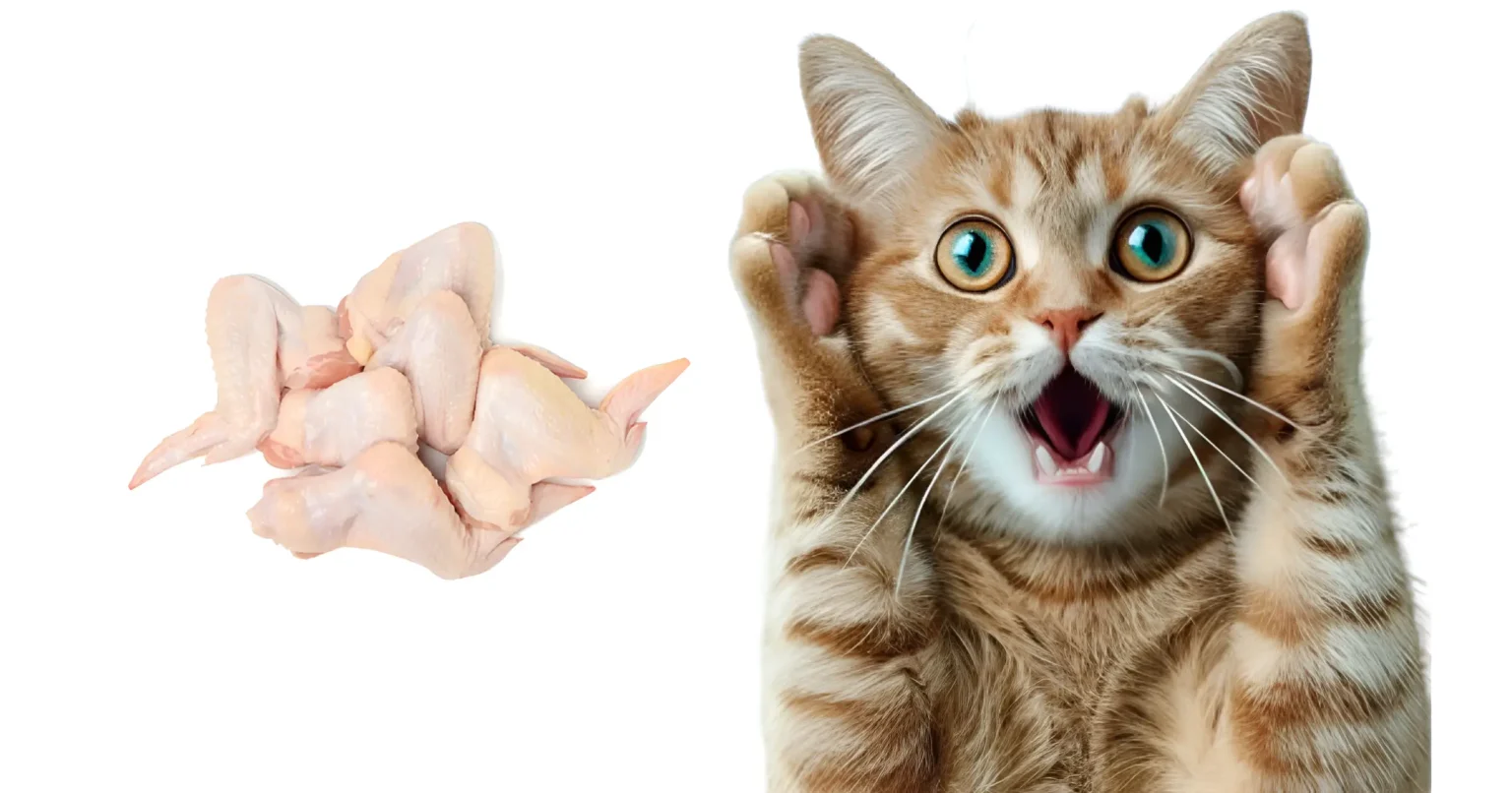
Cat owners often look for healthy, affordable ways to add variety to their cat’s diet. One question that comes up frequently is can cats eat chicken gizzards, especially among people who prepare homemade food or raw diets for their pets. Chicken gizzards are commonly available, inexpensive, and packed with nutrients, but that does not automatically mean they are safe or appropriate for cats.
Understanding how chicken gizzards fit into a cat’s nutritional needs is essential before offering them as food. Cats have very specific dietary requirements, and even nutritious human foods can cause problems if served incorrectly or in excess. This guide explains what chicken gizzards are, whether they are safe for cats, how to prepare them properly, potential benefits, risks, and when they should be avoided.
What Are Chicken Gizzards?
Chicken gizzards are part of a chicken’s digestive system. The gizzard is a muscular organ that helps birds grind food, especially since they do not have teeth. Because of its function, the gizzard is dense, tough, and high in protein.
In many cultures, chicken gizzards are eaten by humans and valued for their nutritional content. They contain protein, iron, zinc, and certain vitamins. For cats, which are obligate carnivores, animal-based foods are essential, but not all animal parts are equally beneficial or safe in every form.
Can Cats Eat Chicken Gizzards?
Yes, cats can eat chicken gizzards, but only under specific conditions. Chicken gizzards are safe for cats when they are properly prepared, cooked, and served in moderation. They should never replace a complete and balanced cat diet, but they can be offered occasionally as a treat or supplemental protein source.
Raw or poorly prepared gizzards, however, can pose serious health risks. Portion size, preparation method, and your cat’s overall health all play a role in whether chicken gizzards are a good option.
Why Chicken Gizzards Appeal to Cat Owners
Many cat owners consider chicken gizzards because they are:
- High in animal protein
- Affordable and widely available
- Free from fillers and artificial additives
- Appealing in texture and smell to many cats
Because cats thrive on meat-based diets, it is understandable why owners look beyond commercial food. However, cats require specific nutrients, including taurine, in precise amounts, which gizzards alone cannot provide.
Nutritional Value of Chicken Gizzards for Cats
Chicken gizzards offer some nutritional benefits, but they are not nutritionally complete for cats.
They contain:
- Protein for muscle maintenance
- Iron for red blood cell support
- Zinc for immune health
- Small amounts of B vitamins
However, chicken gizzards are low in taurine, an amino acid that cats must get from their diet. Taurine deficiency can lead to serious health issues, including heart disease and vision problems. This is why gizzards should only be an occasional addition, not a staple.
Cooked vs Raw Chicken Gizzards
This is one of the most important considerations.
Cooked Chicken Gizzards
Cooked gizzards are the safest option for most cats. Cooking kills harmful bacteria such as salmonella and reduces the risk of foodborne illness. Gizzards should be boiled or steamed without any seasoning.
Raw Chicken Gizzards
Some raw-feeding advocates include raw gizzards in feline diets, but this approach carries risks. Raw poultry can contain bacteria and parasites that may cause severe gastrointestinal illness in cats and pose a risk to humans through handling.
Unless you are working with a veterinary nutritionist and sourcing food extremely carefully, raw gizzards are not recommended for the average cat owner.
How to Prepare Chicken Gizzards for Cats
Proper preparation is essential to keep your cat safe.
Chicken gizzards should be:
- Thoroughly cleaned to remove debris
- Cooked fully with no pink remaining
- Free from salt, spices, garlic, onion, or oil
- Chopped into small, manageable pieces
The texture of gizzards can be chewy and tough, so cutting them into small pieces helps prevent choking and makes them easier to digest.
How Much Chicken Gizzard Can a Cat Eat?
Moderation is critical. Chicken gizzards should be treated as an occasional supplement or treat, not a meal replacement.
A small amount once or twice a week is generally sufficient for a healthy adult cat. Feeding large amounts or offering them too frequently can lead to nutritional imbalance or digestive upset.
Kittens, senior cats, and cats with medical conditions should only be given gizzards with professional guidance.
Potential Benefits of Chicken Gizzards for Cats
When used appropriately, chicken gizzards can offer some benefits.
They may:
- Add variety to your cat’s diet
- Encourage picky eaters to eat
- Provide a high-protein treat
- Offer a natural chewing texture
For cats that enjoy different textures, gizzards can be mentally stimulating and satisfying.
Risks and Concerns to Be Aware Of
Despite their benefits, chicken gizzards are not risk-free.
Possible issues include:
- Choking if pieces are too large
- Digestive upset due to richness or texture
- Bacterial contamination if undercooked
- Nutritional imbalance if overfed
Cats with sensitive stomachs may vomit or develop diarrhea after eating gizzards, especially if introduced suddenly.
Can Cats With Health Conditions Eat Chicken Gizzards?
Not all cats should eat chicken gizzards.
Cats that may need to avoid them include:
- Cats with kidney disease (due to protein levels)
- Cats with pancreatitis
- Cats with food sensitivities
- Cats on prescription diets
If your cat has any ongoing health issues, introducing new foods should always be done cautiously and preferably with veterinary approval.
Signs Your Cat Did Not Tolerate Chicken Gizzards Well
After feeding chicken gizzards, watch for changes in your cat’s behavior or digestion.
Warning signs include:
- Vomiting
- Diarrhea
- Lethargy
- Refusal to eat
- Abdominal discomfort
If symptoms persist beyond a short period or worsen, discontinue feeding gizzards and seek professional advice.
Chicken Gizzards vs Other Chicken Parts
Some owners compare gizzards to chicken liver or heart. Each has different nutritional properties.
Chicken hearts are richer in taurine and are often more beneficial than gizzards. Chicken liver is high in vitamin A but can be dangerous in excess. Gizzards fall somewhere in between and are best used as texture-based enrichment rather than a primary nutrient source.
Balance matters more than any single ingredient.
Should Chicken Gizzards Be Part of a Homemade Diet?
If you prepare homemade food for your cat, chicken gizzards can be included in small amounts, but they must be part of a balanced recipe. Homemade diets that are not carefully formulated can cause serious deficiencies.
Cats require precise ratios of nutrients, and guessing or mixing random meats is not sufficient. Gizzards alone cannot meet those requirements.
Introducing Chicken Gizzards to Your Cat Safely
When introducing chicken gizzards, start slowly. Offer a very small piece and observe your cat over the next 24 hours. If there are no negative reactions, you may offer a slightly larger portion next time.
Never introduce multiple new foods at once, as this makes it difficult to identify the cause of any digestive issues.
Frequently Asked Questions (FAQs)
Can cats eat chicken gizzards every day?
No. Chicken gizzards should only be fed occasionally. Daily feeding can lead to nutritional imbalance.
Are chicken gizzards better raw or cooked for cats?
Cooked chicken gizzards are safer for most cats. Raw gizzards carry a higher risk of bacteria and parasites.
Can kittens eat chicken gizzards?
Kittens have sensitive digestive systems and higher nutritional needs. Gizzards should only be given in very small amounts and only if properly prepared.
Do chicken gizzards contain taurine for cats?
They contain very small amounts but not enough to meet a cat’s needs. They should never replace taurine-rich foods.
Can cats choke on chicken gizzards?
Yes, if the pieces are too large or not prepared properly. Always cut gizzards into small pieces.
What should I do if my cat vomits after eating gizzards?
Stop feeding gizzards and monitor your cat. If vomiting continues or other symptoms appear, consult a veterinarian.
Final Thoughts
So, can cats eat chicken gizzards? The answer is yes—but with care, preparation, and moderation. Chicken gizzards can be a safe and enjoyable treat for cats when cooked properly and served in small amounts. They should never replace a complete and balanced cat food, and they are not suitable for every cat.
Responsible feeding is about understanding your cat’s unique needs and respecting the limits of supplemental foods. When used thoughtfully, chicken gizzards can add variety and enjoyment to your cat’s diet without compromising health.
For More Visits: Animalsinfo
Also Read: Why Is My Dog Throwing Up Yellow? Amazing Guide 2026