


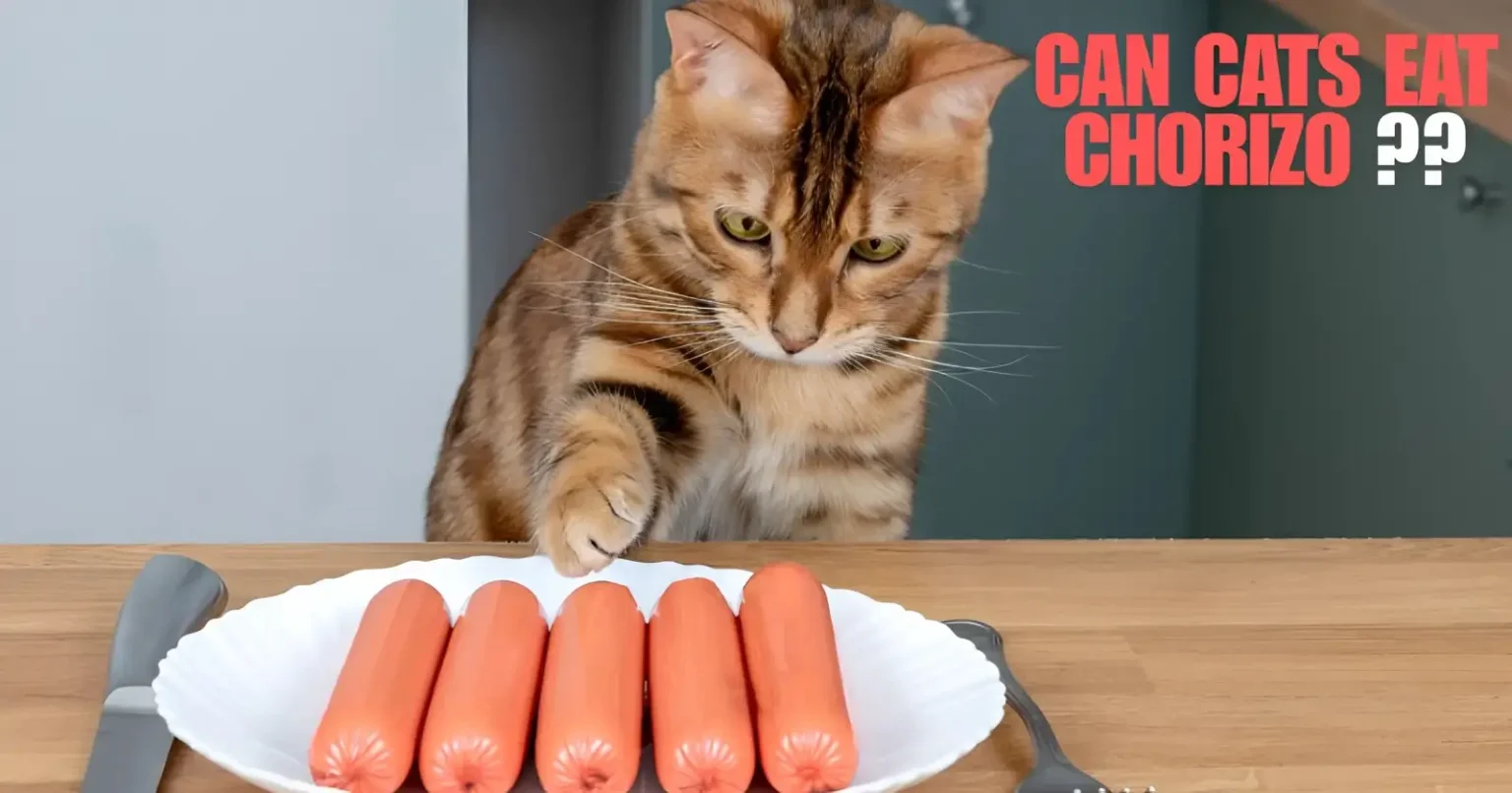
Chorizo, a spicy, flavorful sausage popular in many cuisines, is known for its bold taste and high fat content. While it is a treat many humans enjoy, cat owners often wonder: can cats eat chorizo safely? Cats are obligate carnivores, meaning their diet is primarily meat-based. However, not all meat products made for humans are suitable for feline consumption.
The short answer is no—cats should not eat chorizo. While cats require protein from meat, chorizo contains high levels of fat, sodium, spices, and preservatives that can be harmful. Feeding chorizo to cats can lead to digestive issues, toxicity, and even long-term health problems.
This comprehensive guide explains why chorizo is unsafe for cats, explores the risks, provides safe alternatives, and answers common questions cat owners have about feeding human foods to their pets.
What Is Chorizo?
Chorizo is a type of pork sausage seasoned with paprika, garlic, chili, and various spices. It comes in fresh or cured varieties and is popular in Spanish and Latin American cuisine. Chorizo is typically high in fat and salt, and sometimes contains sugar or other preservatives to enhance flavor and shelf life.
While humans can enjoy chorizo in moderation, it is not designed for the feline digestive system. The strong seasonings and additives can cause serious health risks if consumed by cats.
Why Chorizo Is Unsafe for Cats
Chorizo is unsafe for cats for several reasons:
- High Fat Content: Excess fat can lead to pancreatitis, a dangerous inflammation of the pancreas.
- High Sodium: Too much salt can cause dehydration, kidney stress, and electrolyte imbalances.
- Spices and Seasonings: Garlic, paprika, chili, and other spices are toxic to cats. Garlic and onion, in particular, can damage red blood cells, causing anemia.
- Preservatives and Additives: Nitrites and other chemical preservatives in processed chorizo can be harmful.
Even a small amount of chorizo can cause vomiting, diarrhea, or other digestive upset in cats. Regular consumption increases the risk of serious health problems.
The Dangers of Fat in Chorizo
Chorizo is high in saturated fat, which can be particularly dangerous for cats. Unlike dogs, cats have limited ability to metabolize large amounts of fat. Excess fat can trigger pancreatitis, which is a life-threatening condition causing vomiting, abdominal pain, and lethargy.
Chronic exposure to high-fat foods can also contribute to obesity, diabetes, and liver problems. Therefore, fatty meats like chorizo are not appropriate for a cat’s diet.
The Risks of Salt and Sodium
Chorizo contains high levels of salt, which is toxic to cats in large amounts. Cats require minimal sodium in their diet, and excessive salt can lead to salt poisoning, causing symptoms such as:
- Vomiting and diarrhea
- Tremors or seizures
- Increased thirst and urination
- Kidney stress
Even small pieces of chorizo can contribute to dangerously high sodium intake over time.
Toxic Ingredients in Chorizo
Several ingredients in chorizo are specifically toxic to cats:
- Garlic and Onion: Found in most chorizo recipes, these can cause oxidative damage to red blood cells, leading to anemia.
- Chili and Paprika: Spicy seasonings can irritate a cat’s digestive tract and cause vomiting or diarrhea.
- Sugar and Preservatives: Added chemicals may cause digestive upset or longer-term organ stress.
Cats’ digestive systems are not equipped to handle these ingredients, making chorizo a high-risk food.
Can Cats Eat Cooked Meat?
While chorizo is unsafe, plain cooked meat is usually safe for cats in moderation. Options like boiled chicken, turkey, or lean beef provide protein without harmful additives. Avoid seasoning, spices, or oils, as even small amounts can irritate a cat’s digestive system.
Cooked meat can be used as an occasional treat or as a supplement to a balanced feline diet. Feeding a variety of plain, unseasoned meats helps maintain optimal nutrition safely.
Healthier Alternatives to Chorizo
If you want to treat your cat, there are many safer alternatives:
- Plain Cooked Chicken or Turkey: Low-fat, high-protein options cats love.
- Lean Beef or Fish: Offer cooked, unseasoned portions. Avoid oily fish like salmon in large amounts.
- Commercial Cat Treats: Formulated for feline digestion and balanced nutrition.
- Freeze-Dried Meat Snacks: High-protein, safe, and often low in additives.
These options provide the protein and flavor cats crave without the dangerous fats, salts, and spices in chorizo.
Can Occasional Tiny Pieces Be Safe?
Even small amounts of chorizo are not recommended. While a tiny piece may not cause immediate severe harm, repeated exposure increases the risk of pancreatitis, kidney problems, and anemia. Cats’ bodies are sensitive to seasonings and additives, so it is best to avoid chorizo entirely.
If your cat accidentally consumes a small piece, monitor for signs of vomiting, diarrhea, lethargy, or abnormal behavior, and contact your veterinarian if symptoms appear.
Feeding Guidelines for Cats
Cats are obligate carnivores, meaning they need meat, but it must be suitable for feline consumption:
- Protein Source: Choose plain chicken, turkey, lean beef, or commercial cat food.
- Avoid Seasonings: Garlic, onion, chili, and excessive salt are toxic.
- Portion Control: Treats should be under 10% of daily caloric intake.
- Hydration: Fresh water should always be available.
Following these guidelines ensures cats get the protein they need without exposure to harmful ingredients.
What Happens If a Cat Eats Chorizo?
Signs of chorizo toxicity or digestive upset in cats include:
- Vomiting and diarrhea
- Loss of appetite
- Abdominal pain or bloating
- Lethargy or weakness
- Pale gums (in cases of garlic or onion toxicity)
Immediate veterinary care is essential if a cat exhibits these symptoms. Early intervention improves recovery and reduces the risk of long-term health issues.
The Final Answer: Can Cats Eat Chorizo?
Cats should not eat chorizo. The high fat, salt, spices, and preservatives make it unsafe, even in small amounts. While cats need protein from meat, it should come from plain, unseasoned sources specifically safe for feline consumption.
Feeding chorizo can lead to digestive upset, pancreatitis, anemia, kidney stress, and other serious health problems. Safe alternatives, such as plain cooked chicken or commercially formulated cat treats, provide nutrition without the risks.
Frequently Asked Questions (FAQs)
1. Can cats eat chorizo occasionally?
No, even small amounts are unsafe due to fat, spices, and sodium.
2. What ingredients in chorizo are toxic to cats?
Garlic, onion, chili, paprika, high salt, and chemical preservatives are all harmful.
3. Can cooked chicken replace chorizo for cats?
Yes, plain, unseasoned cooked chicken is a safe protein source.
4. What are the signs of chorizo poisoning in cats?
Vomiting, diarrhea, lethargy, abdominal pain, and pale gums are common signs.
5. Can chorizo cause long-term health issues in cats?
Yes, repeated exposure can cause pancreatitis, kidney problems, or anemia.
6. Are commercial cat treats safer than chorizo?
Yes, they are formulated for feline health and digestion.
7. Can kittens eat any chorizo?
No, kittens are even more sensitive to toxic ingredients in chorizo.
8. What should I do if my cat eats chorizo accidentally?
Monitor closely for symptoms and contact a veterinarian immediately.
9. Can cats eat other sausages safely?
Most sausages contain similar harmful ingredients and are generally unsafe.
10. What is the safest human food to give cats?
Plain, cooked meats like chicken, turkey, or lean beef, without seasoning or additives.
Conclusion
Chorizo may be delicious for humans, but it poses serious risks for cats. Providing safe, protein-rich alternatives ensures your cat gets the nutrition and enjoyment they need without endangering their health. By avoiding chorizo and other processed, seasoned meats, you protect your feline companion from preventable illnesses and digestive issues.
For More Visits: Animalsinfo
Also Read: Can Dogs Eat Bananas? 2026 Ultimate Healthy Guide