


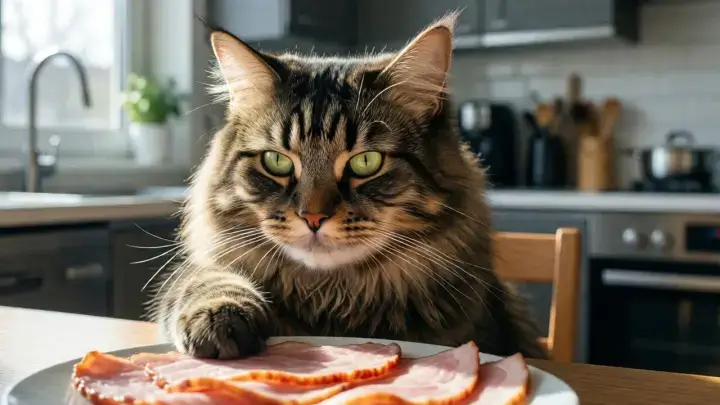
Ham is a common food found in many homes, especially during family meals or holiday gatherings. Its strong aroma and salty flavor can quickly attract attention from pets, particularly cats. Many cat owners notice their feline companions becoming curious when ham is being served. Cats may approach the table, sniff the air, or stare at the plate, hoping to receive a small bite. This curiosity leads many pet owners to ask an important question: can cats eat ham?
The simple answer is yes, cats can eat ham in small amounts, but it is not an ideal food for them. Ham is not toxic to cats, and a tiny piece will usually not cause harm. However, ham is processed meat that often contains high levels of salt, preservatives, and fats. These ingredients can create health concerns if cats consume them frequently.
Cats require a diet that focuses mainly on animal-based protein that is balanced with essential nutrients. While ham comes from pork and contains protein, it does not provide the balanced nutrition that cats need for daily meals. Because of this, ham should only be considered an occasional treat rather than a regular food for cats.
Understanding how ham affects a cat’s body, what risks may exist, and how to offer it safely can help pet owners make responsible feeding decisions. This guide explores everything you need to know about feeding ham to cats and whether it should be part of their diet.
Understanding a Cat’s Natural Dietary Needs
To fully understand whether ham is suitable for cats, it is helpful to look at their natural diet. Cats are classified as obligate carnivores. This means their bodies depend heavily on nutrients that come from animal sources.
In the wild, cats hunt prey such as rodents, birds, and small reptiles. These animals provide the essential nutrients cats need, including high levels of protein, moderate amounts of fat, and specific amino acids like taurine. Taurine plays a crucial role in heart health, vision, and overall body function.
Because of this biological design, cats thrive on diets rich in meat. Their digestive systems are optimized for processing animal proteins rather than plant-based ingredients or heavily processed foods.
Most commercial cat foods are formulated to meet these nutritional needs. They contain carefully balanced levels of protein, fats, vitamins, and minerals required for long-term health.
While ham does contain protein, it is usually prepared with salt and preservatives that make it less suitable for cats when compared to fresh meat.
What Exactly Is Ham?
Ham is a type of pork that has been preserved through curing, smoking, or salting. The curing process is what gives ham its distinctive flavor and long shelf life. While this preparation makes ham enjoyable for humans, it also increases the amount of sodium and additives in the meat.
Many varieties of ham include ingredients such as salt, sugar, nitrates, and flavor enhancers. These ingredients improve taste and preservation but are not beneficial for cats.
The high sodium content is one of the biggest concerns. Cats require very small amounts of salt in their diet, and excessive sodium intake can strain their kidneys or lead to dehydration over time.
Because of these factors, ham is not considered a healthy food choice for cats, even though it is technically safe in very small portions.
Is Ham Safe for Cats to Eat?
Ham is not toxic to cats, which means that eating a small piece occasionally will usually not cause harm. However, safety does not always mean suitability. While a tiny bite may be harmless, larger portions can lead to health problems.
One major issue with ham is the salt content. Processed ham often contains far more sodium than a cat’s body needs. Consuming too much salt can place stress on a cat’s kidneys and may lead to increased thirst or dehydration.
Another concern is fat content. Some types of ham are quite fatty, and excessive fat can upset a cat’s stomach. Over time, a diet high in fat may contribute to weight gain or digestive issues.
Because of these factors, ham should not become a regular part of a cat’s diet. It is best treated as a rare treat rather than a frequent snack.
Why Cats Are Attracted to Ham
Cats are highly sensitive to smell, and ham has a strong aroma that can easily capture their attention. The scent of cooked meat often signals food to a cat’s instincts, which is why they may become interested when ham is being prepared or served.
Unlike humans, cats cannot taste sweetness. Their taste receptors are more focused on detecting proteins and savory flavors. Because ham is rich in meat-based flavor, it can be appealing to many cats.
Some cats may even beg for ham if they have tasted it before. While this behavior can be difficult to resist, it is important for owners to remember that not every food cats enjoy is healthy for them.
Providing healthier alternatives can satisfy a cat’s interest in meat without exposing them to excessive salt or additives.
Potential Health Risks of Feeding Ham to Cats
Although ham is not poisonous, several health concerns can arise if cats consume it too often. One of the primary risks is excessive sodium intake. Cats require only small amounts of salt, and processed ham can contain far more than their bodies need.
Too much sodium may cause increased thirst, dehydration, or stress on the kidneys. Over time, high sodium consumption may contribute to kidney-related issues, especially in older cats.
Another concern is preservatives used in processed meats. Ingredients such as nitrates and nitrites help preserve ham but may not be ideal for regular consumption by animals.
Fat content is another factor to consider. Some cuts of ham contain high levels of fat that can upset a cat’s digestive system. Eating fatty foods may lead to vomiting or diarrhea in sensitive cats.
Finally, certain flavored or seasoned hams may contain ingredients such as garlic or onion powder, which are harmful to cats. These ingredients should always be avoided.
How to Safely Offer Ham to Your Cat
If you decide to give your cat a small taste of ham, proper preparation is important. Start by selecting plain ham without seasoning or sauces. Avoid honey-glazed or heavily flavored varieties.
Cut a very small piece of ham and remove any visible fat. Smaller portions reduce the risk of digestive upset and help prevent choking.
It is also helpful to blot the ham gently with a paper towel to remove excess salt or grease. Offering the ham as a rare treat rather than a regular snack will reduce potential health risks.
After feeding the small piece, observe your cat for any unusual reactions. If your cat shows signs of stomach discomfort, it may be best to avoid ham in the future.
When Cats Should Avoid Ham Completely
There are certain situations where ham should not be given to cats at all. Cats with kidney disease should avoid foods high in sodium because salt can worsen kidney problems.
Cats that are overweight may also benefit from avoiding fatty meats such as ham. Extra fat can contribute to weight gain and make it harder for cats to maintain a healthy body condition.
Pets with digestive sensitivities may react poorly to processed foods. In these cases, sticking with regular cat food and veterinarian-approved treats is the safest option.
Kittens should also avoid ham because their developing bodies require balanced nutrition designed specifically for growth.
When in doubt, consulting a veterinarian is the best way to determine whether certain foods are appropriate for your cat.
Healthier Meat Treats for Cats
If your cat enjoys meat-based snacks, there are healthier alternatives to ham. Fresh, unseasoned meats are usually a much better option.
Plain cooked chicken is one of the safest treats for cats. It provides high-quality protein without excessive salt or additives. Small pieces of cooked turkey or fish can also be suitable occasional treats.
Commercial cat treats are another reliable option. Many are designed to provide additional nutrients while still being appealing to cats.
Choosing treats that match a cat’s natural diet helps support healthy muscles, energy levels, and overall well-being.
The Importance of Balanced Nutrition
Cats thrive when their diet remains consistent and nutritionally balanced. Their primary food source should always be high-quality cat food designed to meet feline nutritional needs.
Treats should make up only a small portion of a cat’s daily food intake. When too many treats are given, they can interfere with the balance of nutrients in a cat’s diet.
Ham may be safe occasionally, but relying on processed foods is not ideal for long-term health. A well-balanced diet that focuses on proper protein sources will help cats maintain strong muscles, healthy organs, and stable energy levels.
Responsible feeding habits play a major role in keeping cats healthy throughout their lives.
Frequently Asked Questions (FAQs)
Can cats eat cooked ham?
Yes, cats can eat cooked ham in very small amounts. However, it should be plain and free from seasonings, sauces, or glazes.
Is ham toxic to cats?
Ham itself is not toxic to cats. The concern comes from its high salt content and preservatives, which can be harmful if eaten frequently.
How much ham can a cat eat?
Cats should only eat a tiny piece of ham as an occasional treat. Large portions or frequent feeding should be avoided.
Can kittens eat ham?
Kittens should not eat ham regularly. Their diet should consist mainly of kitten-specific food that supports healthy growth.
What happens if my cat eats too much ham?
Eating too much ham may cause vomiting, diarrhea, or increased thirst due to high salt content. If symptoms continue, contacting a veterinarian is recommended.
Are deli meats safe for cats?
Most deli meats contain high levels of salt and preservatives. They are not recommended as regular treats for cats.
Final Thoughts-Can cats eat ham
So, can cats eat ham? The answer is yes, but only in very small amounts and on rare occasions. Ham is not toxic to cats, but its high sodium and fat content make it far from an ideal food for regular consumption.
Cats are healthiest when their diet focuses on balanced cat food that provides the nutrients they need. Occasional treats can be enjoyable, but they should always be offered with moderation and care.
If you want to share meat with your cat, fresh and unseasoned options such as cooked chicken or turkey are usually safer choices. These foods align more closely with a cat’s natural diet and nutritional needs.
By understanding what foods are appropriate and limiting processed treats like ham, cat owners can help ensure their pets live healthy, comfortable, and happy lives.
For More Visits: Animalsinfo
Also Read: Can Cats Eat Strawberries? Amazing Guide for 2026