


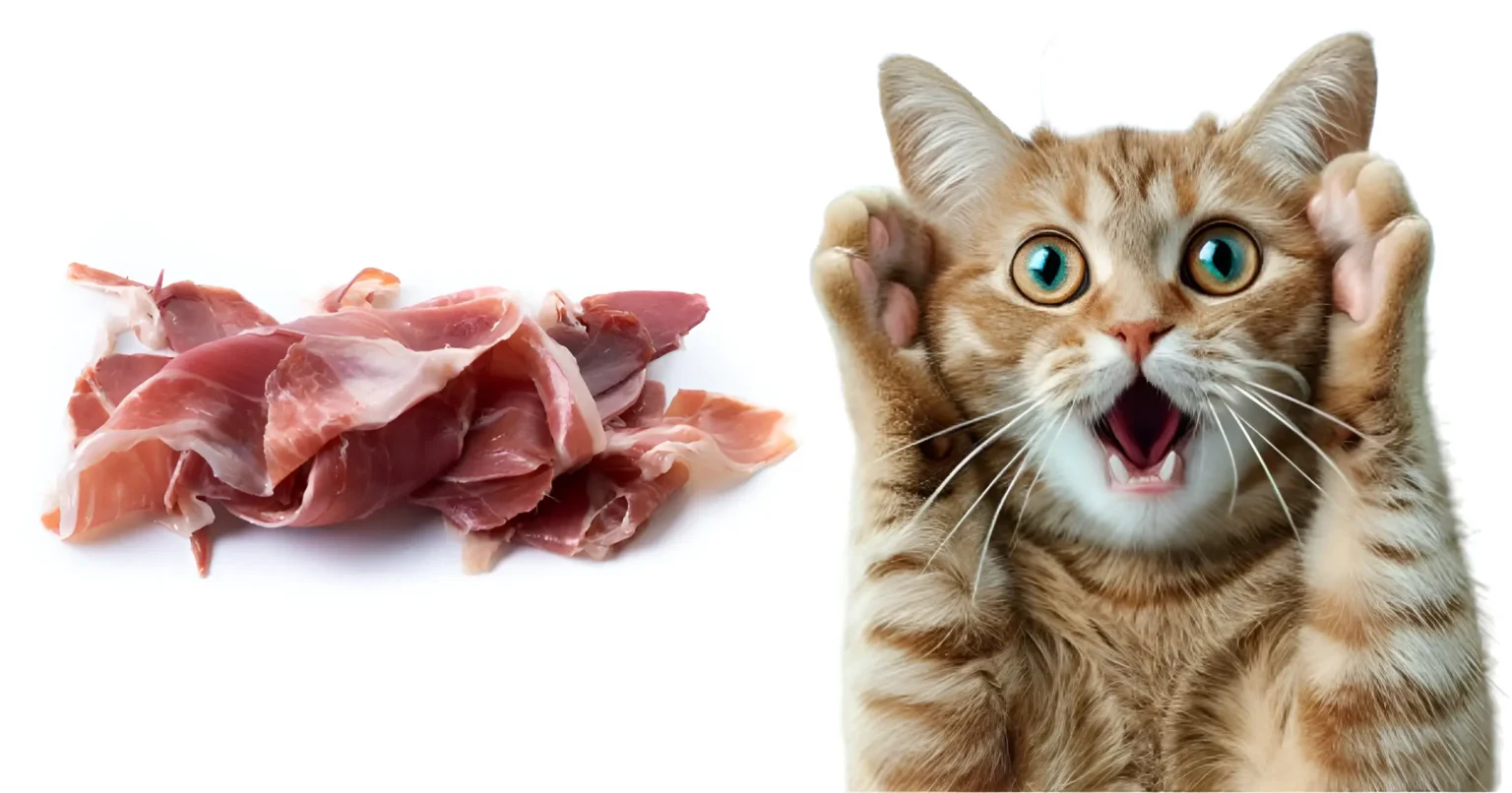
Cat owners are constantly searching for safe treats and enrichment options for their pets. While pig ears are commonly sold as dog chews, some cat owners wonder whether they can also be shared with cats. This leads to a very important question: can cats eat pig ears, or are they unsafe for feline consumption?
At first glance, pig ears may seem like a natural, protein-rich option. They are animal-based, long-lasting, and free from grains. However, cats have very different dietary needs and chewing behaviors compared to dogs. What works well for one species may pose serious risks to another. This article explores whether pig ears are appropriate for cats, what dangers they may carry, and what safer alternatives exist.
What Are Pig Ears?
Pig ears are dried or baked animal by-products commonly marketed as chew treats for dogs. They are usually made from cartilage, skin, and connective tissue, and they can be smoked, dehydrated, or flavored. Their toughness makes them appealing to dogs who enjoy chewing.
While pig ears are technically edible animal tissue, they are not formulated with cats in mind. Cats are obligate carnivores with delicate digestive systems and limited chewing ability compared to dogs.
Can Cats Eat Pig Ears?
The short and responsible answer is no, cats should not eat pig ears. Pig ears are not safe or appropriate for cats, even as an occasional treat. While a cat might lick or nibble one out of curiosity, allowing a cat to chew or consume pig ears can lead to serious health risks.
Pig ears are designed for dogs with strong jaws and specific chewing instincts. Cats lack the dental structure, digestive capacity, and nutritional need for such tough, fatty treats.
Why Pig Ears Are Unsafe for Cats
Several factors make pig ears unsuitable and potentially dangerous for cats.
First, pig ears are extremely tough. Cats are not natural chewers like dogs. Their teeth are designed for slicing meat, not grinding cartilage. Attempting to chew pig ears can result in broken teeth or gum injuries.
Second, pig ears are high in fat. Cats are sensitive to fatty foods, and excessive fat intake can lead to digestive upset or more serious conditions such as pancreatitis.
Third, pig ears can pose a choking hazard. Large, uneven pieces may break off and become lodged in a cat’s throat or digestive tract.
Digestive Risks Associated With Pig Ears
Even if a cat manages to swallow small pieces of a pig ear, digestion is another major concern. Pig ears are dense and difficult to break down, especially for a cat’s digestive system.
This can result in vomiting, diarrhea, constipation, or intestinal blockage. Blockages are medical emergencies and may require surgery. Cats are particularly vulnerable because of their smaller digestive tracts.
In addition, pig ears are sometimes processed with preservatives, smoke flavoring, or salt, all of which can irritate a cat’s stomach.
Bacterial and Contamination Concerns
Pig ears have been associated with bacterial contamination in the pet treat industry. Because they are animal by-products and often minimally processed, they can carry bacteria that may be harmful to pets.
Cats are especially sensitive to foodborne bacteria. Even small amounts can cause gastrointestinal illness. Raw or improperly processed pig ears increase this risk even further.
Cats that ingest contaminated treats may experience vomiting, diarrhea, fever, or lethargy.
Fat Content and Pancreatitis Risk
One of the most serious concerns with pig ears is their high fat content. Cats do not tolerate high-fat foods well, particularly if they are not accustomed to them.
Sudden fat intake can trigger pancreatitis, a painful and potentially life-threatening condition. Symptoms include vomiting, abdominal pain, loss of appetite, and lethargy. Pancreatitis often requires veterinary treatment and can recur once triggered.
For this reason alone, pig ears should be avoided entirely.
Dental Damage and Oral Injuries
Pig ears are hard and leathery, especially when dried. Cats do not have molars designed for prolonged chewing. When cats attempt to chew tough materials, they may crack teeth or damage their gums.
Dental injuries can be difficult to detect at first. A cat may stop eating, chew on one side, or become aggressive due to pain. Treatment often involves dental surgery, which can be costly and stressful for the animal.
Are Pig Ears Ever Safe for Cats?
There are no circumstances under which pig ears are considered safe or beneficial for cats. Even small amounts do not offer nutritional advantages that outweigh the risks.
Unlike dogs, cats do not need chew treats for dental health or enrichment. Their needs are met through appropriate toys, scratching surfaces, and nutritionally balanced food.
Why Cats Might Show Interest in Pig Ears
Some cats may show curiosity toward pig ears because of their strong smell. Animal fats and proteins are naturally appealing to cats. This curiosity does not mean the food is safe or suitable.
Cats are instinct-driven and may attempt to investigate or lick unfamiliar items. It is the owner’s responsibility to prevent access to unsafe foods.
Can Kittens Eat Pig Ears?
Kittens should never be given pig ears. Their teeth, jaws, and digestive systems are even more delicate than those of adult cats. Introducing hard or fatty foods at a young age can cause immediate harm and long-term health issues.
Kittens require carefully balanced nutrition to support growth and development. Pig ears provide none of the nutrients kittens need and present significant danger.
What Happens If a Cat Eats a Pig Ear?
If a cat accidentally eats part of a pig ear, the outcome depends on the amount consumed and the cat’s size and health.
Possible symptoms include vomiting, diarrhea, abdominal discomfort, choking, constipation, or refusal to eat. In severe cases, intestinal blockage may occur.
If you suspect your cat has eaten a pig ear or shows any unusual symptoms afterward, veterinary attention should be sought promptly.
Safer Alternatives to Pig Ears for Cats
Cats do not need chew treats like dogs, but they do benefit from safe enrichment options.
Better alternatives include:
- Freeze-dried meat treats made for cats
- Small pieces of cooked, unseasoned chicken
- Commercial cat treats formulated for dental health
- Interactive toys that stimulate hunting instincts
These options provide enjoyment without risking injury or illness.
Understanding a Cat’s Nutritional Needs
Cats are obligate carnivores, meaning their diet must consist primarily of animal protein. However, that does not mean all animal products are appropriate.
Cats require specific nutrients such as taurine, arachidonic acid, and certain vitamins in precise amounts. Pig ears are nutritionally incomplete and lack essential nutrients cats need to survive.
Feeding inappropriate animal parts can lead to nutritional deficiencies or health complications over time.
Why Dog Treats Should Not Be Shared With Cats
Many pet owners assume that if something is safe for dogs, it must be safe for cats. This is a dangerous assumption.
Dogs and cats metabolize food differently. Treats designed for dogs often contain ingredients, textures, or fat levels unsuitable for cats. Pig ears are a prime example of a dog treat that should never be shared with cats.
Always choose treats specifically formulated for your pet’s species.
Frequently Asked Questions (FAQs)
Can cats chew on pig ears without swallowing them?
No. Even chewing pig ears can cause dental damage or choking. They are not safe as chew toys.
Are pig ears toxic to cats?
Pig ears are not toxic in the chemical sense, but they are unsafe and can cause serious health problems.
Can cats eat cooked pig ears?
No. Cooking does not make pig ears safe for cats. The texture and fat content remain problematic.
What should I do if my cat eats part of a pig ear?
Monitor for symptoms such as vomiting or lethargy and contact a veterinarian if any signs appear.
Why do pet stores sell pig ears if they are dangerous?
Pig ears are intended for dogs, not cats. They should be kept out of reach of cats.
Are there any chew treats safe for cats?
Cats do not need chew treats. Dental health is better supported through appropriate food, toys, and veterinary care.
Final Thoughts
So, can cats eat pig ears? The clear and responsible answer is no. Pig ears are unsafe for cats due to choking hazards, digestive risks, high fat content, and potential dental damage. They provide no nutritional benefit that justifies the risk.
Cats thrive best on food and treats specifically designed for their unique biology. When it comes to your cat’s health, it is always safer to choose options created with feline needs in mind rather than adapting products meant for other animals.
For More Visits: Animalsinfo