

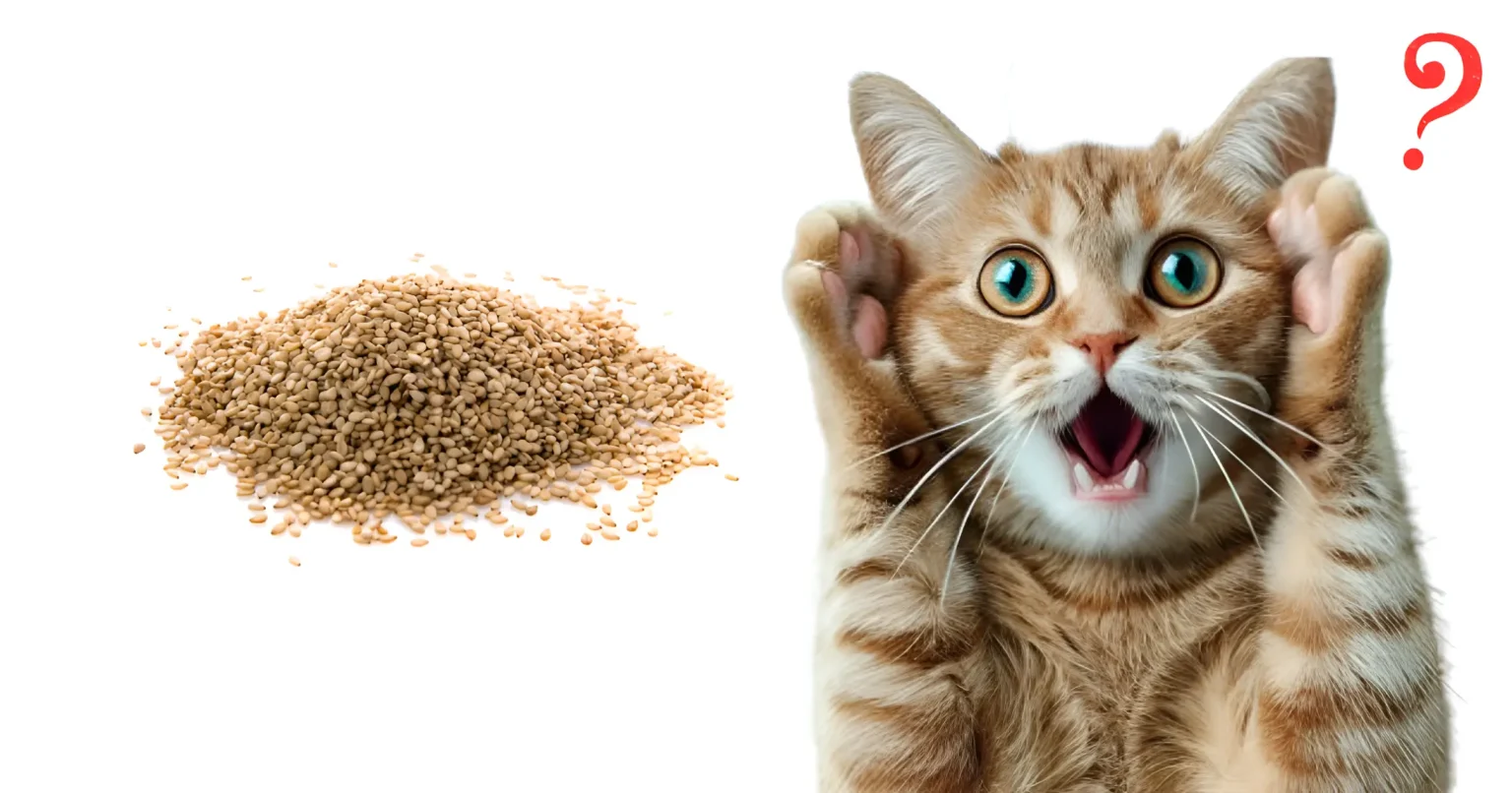
Cats are naturally curious creatures, often exploring new smells and tastes with great interest. As responsible pet owners, it is important to understand which human foods are safe for them. One question that frequently arises is: can cats eat sesame seeds? These tiny seeds are widely used in cooking and baking due to their nutty flavor and nutritional benefits for humans. But are they safe or beneficial for cats?
In this article, we will explore the safety of sesame seeds for cats, the potential benefits and risks, how they might affect a cat’s health, and suitable alternatives for providing nutrients that sesame seeds contain.
What Are Sesame Seeds?
Sesame seeds are small, oval-shaped seeds that come in various colors, including white, black, and brown. They are commonly used as toppings for bread, incorporated into sauces, or ground into tahini, a sesame paste used in Middle Eastern cuisine.
These seeds are rich in essential nutrients, such as:
- Healthy fats: Polyunsaturated and monounsaturated fats
- Protein: Plant-based protein source
- Vitamins: Vitamin B1 (thiamine), vitamin E
- Minerals: Calcium, magnesium, iron, and zinc
- Antioxidants: Lignans and sesamol
For humans, sesame seeds can provide cardiovascular benefits, support bone health, and act as antioxidants. However, cats have different nutritional requirements, and not all plant-based foods are safe or beneficial for them.
Can Cats Eat Sesame Seeds?
The short answer is yes, cats can eat sesame seeds in very small amounts, but with several important considerations:
- Digestive System Sensitivity
Cats are obligate carnivores, which means their digestive systems are primarily designed to process meat. While sesame seeds are not toxic to cats, their high fiber content may be difficult for cats to digest in large amounts, potentially causing mild gastrointestinal upset, including vomiting or diarrhea. - Nutritional Contribution
Cats require nutrients like taurine, vitamin A, and arachidonic acid that are only found in animal-based foods. While sesame seeds contain some vitamins and minerals, they cannot replace the essential nutrients that cats need for a healthy diet. - Choking Hazard
Whole sesame seeds are tiny but could pose a choking hazard, especially for kittens or older cats with dental issues. Grinding the seeds into a fine powder or incorporating them into small amounts of food can reduce this risk.
In summary, occasional, small amounts of sesame seeds are generally safe, but they should never replace meat-based nutrition or commercial cat food.
Potential Benefits of Sesame Seeds for Cats
Although sesame seeds are not necessary for a cat’s diet, they may provide some minor benefits if offered sparingly:
- Healthy Fats
Sesame seeds contain healthy fats that could slightly improve coat quality and skin health when given in moderation. - Mineral Support
Calcium, magnesium, and zinc in sesame seeds can contribute to bone health, immune function, and enzymatic reactions. - Antioxidants
Compounds like sesamol have antioxidant properties that may help neutralize free radicals, though cats do not require these compounds in the same amounts humans do. - Flavor and Enrichment
Small amounts of sesame seeds can provide sensory enrichment, allowing cats to explore new textures and flavors safely.
Risks of Feeding Sesame Seeds to Cats
Despite potential benefits, there are risks to consider:
- Digestive Upset
Too many sesame seeds may cause vomiting, diarrhea, or mild stomach discomfort. - Allergic Reactions
Although rare, some cats may be allergic to sesame seeds. Signs of an allergy include itching, rash, or gastrointestinal distress. - High-Calorie Intake
Sesame seeds are calorie-dense due to their fat content. Feeding large amounts can contribute to unwanted weight gain. - Choking Hazard
As mentioned earlier, whole seeds may pose a risk if swallowed whole, particularly by small cats.
Safe Ways to Feed Sesame Seeds to Cats
If you decide to offer sesame seeds to your cat, follow these safety tips:
- Use Small Quantities
Limit to a pinch of seeds mixed into food or treats. This ensures they receive minimal calories and fiber. - Grind or Crush Seeds
Grinding sesame seeds reduces the risk of choking and makes digestion easier for cats. - Avoid Seasoned Seeds
Never give roasted, salted, or flavored sesame seeds, as added salt or spices can harm cats. - Incorporate into Treats
You can mix a tiny amount of sesame seed powder into wet cat food, homemade treats, or small bites of safe fruits or vegetables like pumpkin.
Alternatives to Sesame Seeds for Cats
Cats primarily need animal-based nutrients, but if you are looking to provide additional vitamins, minerals, or healthy fats, consider these safe alternatives:
- Fish Oil
Rich in omega-3 fatty acids, fish oil supports coat health, reduces inflammation, and promotes brain function. - Eggs
Cooked eggs are a good source of protein and essential amino acids. - Pumpkin
High in fiber and gentle on the digestive system, pumpkin can aid in digestion and relieve constipation. - Commercial Cat Treats
Specifically formulated treats often include safe plant-based ingredients like flaxseed or rice, providing a similar nutritional boost without risk.
How Often Can Cats Eat Sesame Seeds?
Sesame seeds should be offered very occasionally—for example, once a week or less. They are not a staple food and should be treated as a minor supplement or enrichment item. Regular consumption is unnecessary and could lead to digestive issues or excessive calorie intake.
Signs Your Cat Should Avoid Sesame Seeds
Certain cats may be more sensitive or at risk from sesame seeds. Avoid giving sesame seeds to cats if they:
- Have digestive issues such as diarrhea or vomiting
- Are underweight or obese
- Have known food allergies
- Are very young kittens or senior cats with weak teeth or digestion
Always introduce new foods slowly and monitor for any adverse reactions.
Conclusion
In conclusion, cats can eat sesame seeds in very small, occasional amounts, but they are not a necessary part of a cat’s diet. Whole seeds should be avoided or crushed to reduce choking risk, and seasoned or flavored seeds should never be given. Cats thrive on a meat-based diet, and any plant-based foods are secondary or supplemental at best.
Offering sesame seeds sparingly may provide minor nutritional benefits, but owners should focus on high-quality commercial cat food and safe animal-based treats for optimal health. Always monitor your cat’s reaction and consult a veterinarian if you have concerns about introducing new foods.
Key Takeaways:
- Small, plain sesame seeds are generally safe for cats.
- Sesame seeds provide minor benefits like healthy fats, minerals, and antioxidants.
- Risks include digestive upset, choking, and allergies.
- Grind seeds and offer only occasionally, as a supplement or treat.
- Never give seasoned, salted, or flavored seeds.
FAQs
Q1: Can cats eat sesame seeds every day?
No, sesame seeds should only be offered occasionally due to digestive and calorie concerns.
Q2: Are sesame seeds toxic to cats?
No, plain sesame seeds are not toxic, but they should be given in moderation.
Q3: Can sesame seeds improve my cat’s coat?
In tiny amounts, the healthy fats may support coat and skin health, but they are not essential for a shiny coat.
Q4: Are sesame seeds safe for kittens?
Kittens have sensitive digestive systems, so it is better to avoid sesame seeds until they are older.
Q5: What is the safest way to feed sesame seeds to cats?
Crush or grind the seeds and mix a tiny amount into wet food or treats, ensuring no added salt or spices.
Q6: Can sesame seeds cause allergies in cats?
Yes, although rare, some cats may show signs of an allergic reaction such as itching, rash, vomiting, or diarrhea.
For More Visits: Animalsinfo
Also Read: Can Dogs Eat Hot Cheetos? Safe Tips 2025