

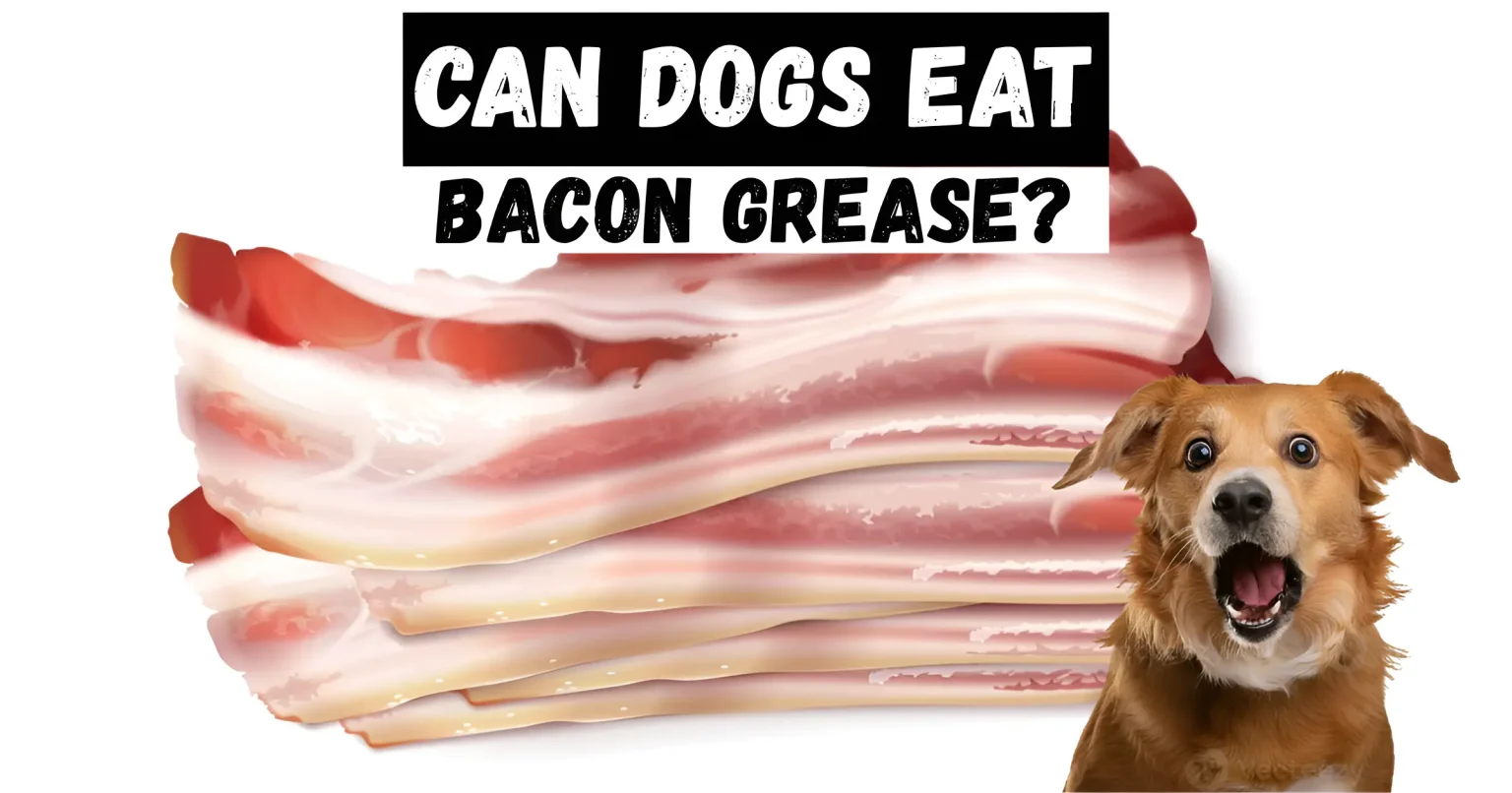
The smell of bacon is enough to make any dog come running. If you’ve ever cooked bacon, you’ve probably noticed your dog staring at you, hoping for a taste. But what about the leftover grease? Many dog owners wonder: can dogs eat bacon grease, or is it harmful?
The short answer is no—dogs should not eat bacon grease. While a tiny accidental lick may not cause immediate harm, regularly feeding bacon grease can lead to serious health issues. Understanding why it’s unsafe will help you protect your dog from unnecessary risks.
What Is Bacon Grease?
Bacon grease is the fat that renders out when bacon is cooked. It’s rich, flavorful, and often used in human cooking to enhance taste. However, this grease is almost entirely made up of fat, along with salt and residues from processed bacon.
For humans, it’s already considered something to consume sparingly. For dogs, it can be far more problematic due to how their bodies handle fat and sodium.
Is Bacon Grease Safe for Dogs?
Bacon grease is not safe for dogs. Even though it’s not classified as a toxic substance, it can cause both immediate and long-term health problems.
Dogs’ digestive systems are not designed to handle large amounts of fat at once. Feeding bacon grease can overwhelm their system, leading to discomfort or more serious conditions.
Why Bacon Grease Is Bad for Dogs
There are several reasons why bacon grease should be avoided completely.
Extremely High Fat Content
Bacon grease is almost pure fat. Consuming too much fat can lead to digestive upset and, more seriously, pancreatitis. This condition causes inflammation of the pancreas and can be very painful and dangerous.
High Sodium Levels
Because bacon is cured with salt, the grease also contains sodium. Too much salt can cause dehydration, excessive thirst, and strain on your dog’s kidneys.
Risk of Obesity
Regular consumption of fatty foods like bacon grease can quickly lead to weight gain. Obesity in dogs increases the risk of joint problems, heart disease, and other health issues.
Digestive Problems
Even small amounts of grease can upset a dog’s stomach, causing vomiting, diarrhea, or discomfort. Some dogs are more sensitive and may react quickly.
What Happens If a Dog Eats Bacon Grease?
If your dog accidentally eats a small amount of bacon grease, they may be fine. However, some dogs may experience:
- Upset stomach
- Vomiting
- Diarrhea
- Lethargy
If a large amount is consumed, the risk increases for more serious issues like pancreatitis. Symptoms of pancreatitis can include severe abdominal pain, loss of appetite, and repeated vomiting. This condition requires immediate veterinary attention.
Can Bacon Grease Cause Pancreatitis?
Yes, bacon grease is one of the common dietary triggers for pancreatitis in dogs. This condition occurs when the pancreas becomes inflamed due to excessive fat intake.
Pancreatitis can range from mild to severe, but in serious cases, it can be life-threatening. Dogs that have had pancreatitis once are more likely to develop it again, so avoiding fatty foods is essential.
Is It Ever Okay to Give Bacon Grease?
There is no real benefit to feeding bacon grease to dogs. It does not provide any essential nutrients that your dog cannot get from healthier sources.
Even as a treat, the risks outweigh any temporary enjoyment your dog might get. It’s better to avoid it completely rather than trying to find a “safe” amount.
Healthier Alternatives to Bacon Grease
If you want to treat your dog, there are much safer options available. Plain, cooked meats like chicken or turkey can provide protein without excessive fat.
You can also offer dog-specific treats designed to support your pet’s health. These options are formulated to be safe and balanced, making them a better choice than fatty leftovers.
Can Puppies Eat Bacon Grease?
Puppies should never be given bacon grease. Their digestive systems are more sensitive, and they are at higher risk of developing digestive problems or long-term health issues from fatty foods.
Stick to high-quality puppy food and safe treats appropriate for their age.
What Should You Do If Your Dog Eats Bacon Grease?
If your dog eats bacon grease accidentally, stay calm and monitor their behavior.
Watch for signs like vomiting, diarrhea, or unusual lethargy. If your dog shows severe symptoms or if they consumed a large amount, contact your veterinarian as soon as possible.
Early action can prevent more serious complications.
Long-Term Effects of Feeding Bacon Grease
Feeding bacon grease regularly can have serious consequences over time.
Dogs that consume high-fat foods frequently are more likely to develop obesity, pancreatitis, and other metabolic issues. These conditions can shorten your dog’s lifespan and reduce their quality of life.
Maintaining a balanced diet is one of the most important ways to keep your dog healthy.
Frequently Asked Questions (FAQs)
Can dogs eat bacon grease in small amounts?
Even small amounts are not recommended. While a tiny lick may not harm your dog, it’s best to avoid it altogether.
Is bacon grease worse than bacon itself?
Both are unhealthy, but grease is more concentrated in fat, making it riskier for dogs.
Can bacon grease be mixed with dog food?
No, adding bacon grease to dog food can upset digestion and increase fat intake to unsafe levels.
What are signs of pancreatitis in dogs?
Symptoms include vomiting, abdominal pain, loss of appetite, and lethargy. Immediate veterinary care is needed.
Are there any benefits to bacon grease for dogs?
No, bacon grease does not offer any meaningful health benefits for dogs.
Final Thoughts
So, can dogs eat bacon grease? No, they shouldn’t. While it may seem harmless to share leftovers, bacon grease is high in fat and salt, making it dangerous for your dog’s health.
Even occasional feeding can lead to digestive issues, and repeated exposure increases the risk of serious conditions like pancreatitis and obesity.
Your dog depends on you to make safe dietary choices. Choosing healthier treats and avoiding fatty foods like bacon grease is one of the simplest ways to protect their well-being.
And always make sure to consult your veterinarian before introducing new foods into your dog’s diet to ensure it is safe for your pet.
For More Visits: Animalsinfo