

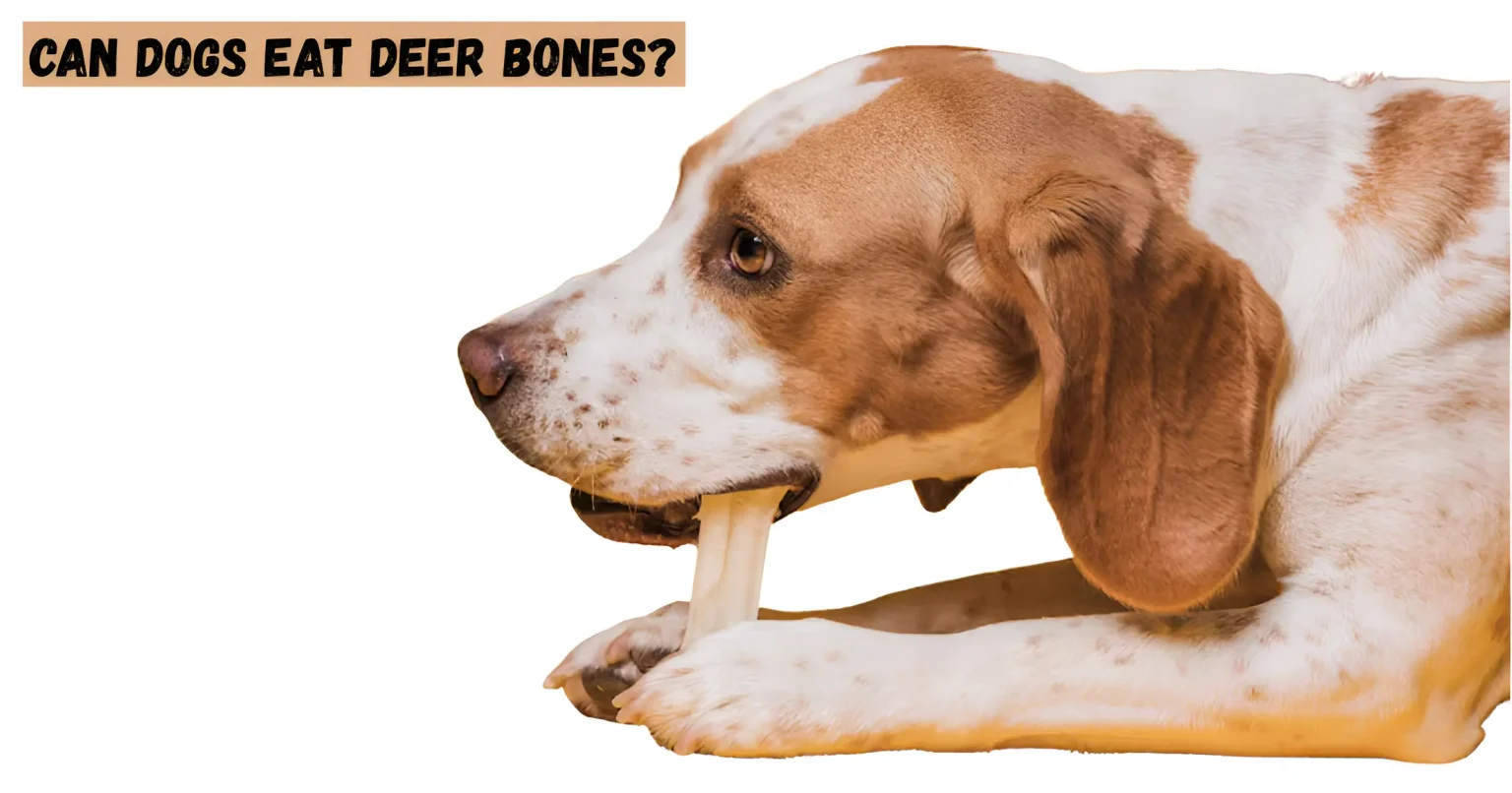
Dogs and bones seem like a natural combination. Many people imagine that giving a dog a bone is not only safe but also beneficial. When it comes to deer bones, especially for those who live in rural areas or have access to game meat, the question becomes more specific—can dogs safely eat deer bones?
The answer is not as straightforward as it might seem. While dogs are capable of chewing bones, not all bones are safe, and deer bones come with their own set of risks. Understanding the differences between types of bones, how they affect a dog’s body, and the safest way to handle them is essential for any responsible pet owner.
Why Dogs Are Attracted to Bones
Dogs have a natural instinct to chew. This behavior goes back to their wild ancestors, who relied on bones as a source of nutrients and as a way to keep their teeth strong.
Chewing provides mental stimulation and can help relieve boredom. It also supports dental health by reducing plaque buildup. Deer bones, in particular, are appealing because they are dense, flavorful, and often still contain traces of meat.
Can dogs eat deer bones? However, just because dogs are drawn to bones does not mean all bones are safe for them to eat.
Are Deer Bones Safe for Dogs?
Deer bones can be safe in certain situations, but they also carry significant risks. The safety depends largely on whether the bones are raw or cooked, as well as their size and condition.
Raw deer bones are generally considered safer than cooked ones because they are less likely to splinter. However, even raw bones are not completely risk-free.
Cooked deer bones, on the other hand, are dangerous and should never be given to dogs. Cooking changes the structure of the bone, making it brittle and more likely to break into sharp fragments.
Raw Deer Bones vs. Cooked Deer Bones
The distinction between raw and cooked bones is critical.
Raw Deer Bones
Raw bones are softer and more flexible. They are less likely to splinter into sharp pieces, which reduces the risk of injury. Some dog owners choose to give raw bones as an occasional chew item.
Even so, raw bones can still break teeth, cause choking, or lead to digestive blockages if swallowed in large pieces.
Cooked Deer Bones
Cooked bones are much more dangerous. The heat from cooking removes moisture and makes the bones brittle. When chewed, they can splinter easily into sharp shards.
These fragments can cause serious injuries, including cuts in the mouth, damage to the throat, or punctures in the stomach and intestines. For this reason, cooked deer bones should always be avoided.
Potential Benefits of Deer Bones
When handled carefully, deer bones can offer some benefits, particularly when they are raw and appropriately sized.
Chewing on bones can help keep a dog entertained for long periods. It satisfies their natural urge to chew and can reduce destructive behavior caused by boredom.
Bones can also contribute to dental health by scraping away plaque and tartar. Additionally, raw bones may contain small amounts of nutrients, including minerals found in the marrow.
However, these benefits should always be weighed against the potential risks.
Risks of Giving Deer Bones to Dogs
Despite the possible advantages, deer bones come with several serious risks that every dog owner should consider.
Choking Hazard
Dogs may try to swallow pieces of bone that are too large, leading to choking. This is especially dangerous if the bone breaks into smaller fragments during chewing.
Tooth Damage
Deer bones are extremely hard. Chewing on them can result in cracked or broken teeth, which can be painful and require veterinary treatment.
Internal Injuries
Sharp bone fragments can cause cuts or punctures in the mouth, throat, or digestive tract. These injuries can be life-threatening and may require emergency surgery.
Digestive Blockage
If a dog swallows a large piece of bone, it can become lodged in the digestive system. This can lead to blockages that prevent normal digestion and require medical intervention.
Bacterial Contamination
Raw deer bones may carry bacteria such as salmonella. While dogs have stronger digestive systems than humans, they are still at risk of infection.
What Happens If a Dog Eats a Deer Bone?
The outcome depends on the type of bone and how much the dog consumed.
If a dog chews on a raw deer bone under supervision and does not swallow large pieces, there may be no issues. Many dogs handle this without any immediate problems.
However, if the dog consumes cooked bones or swallows large chunks, complications can arise. Symptoms may include vomiting, diarrhea, abdominal pain, or difficulty passing stool.
In more severe cases, signs such as lethargy, loss of appetite, or visible discomfort may indicate a blockage or internal injury.
When Should You Be Concerned?
It is important to monitor your dog closely after giving them a bone or if they accidentally consume one.
You should seek veterinary attention if your dog shows any of the following signs:
- Persistent vomiting
- Difficulty breathing or choking
- Bloody stool
- Abdominal swelling or pain
- Unusual lethargy
These symptoms may indicate a serious problem that requires immediate care.
Can Dogs Eat Deer Bones Regularly?
Even if your dog seems to enjoy them, deer bones should not be given regularly. The risks associated with bones, especially hard ones like deer bones, outweigh the benefits when used frequently.
Dogs receive all the nutrients they need from a balanced diet. Adding bones regularly can increase the likelihood of injury or digestive issues.
If you choose to give your dog a bone occasionally, it should be done with caution and proper supervision.
How to Safely Offer Deer Bones
If you decide to give your dog a raw deer bone, there are a few precautions that can reduce the risks.
Always choose large bones that cannot be swallowed whole. This reduces the chance of choking.
Supervise your dog at all times while they are chewing. If the bone starts to break or become small enough to swallow, it should be taken away.
Limit chewing sessions to a reasonable amount of time. Prolonged chewing can increase the risk of tooth damage.
Proper storage and handling are also important to reduce the risk of bacterial contamination.
Safer Alternatives to Deer Bones
For many dog owners, the safest option is to avoid natural bones altogether and choose alternatives designed specifically for dogs.
Commercial chew toys and dental treats are made to provide the benefits of chewing without the same level of risk. These products are tested for safety and are less likely to splinter or cause injury.
Rubber toys, nylon chews, and specially formulated dental sticks can satisfy your dog’s chewing instincts while protecting their health.
Special Considerations for Puppies and Senior Dogs
Puppies and older dogs require extra care when it comes to chewing.
Puppies have developing teeth that can be easily damaged by hard bones. It is best to avoid giving them deer bones entirely.
Senior dogs may have weaker teeth or underlying health conditions that make chewing hard objects risky. Softer chew options are more appropriate for them.
Final Thoughts
Deer bones may seem like a natural and appealing treat for dogs, but they come with significant risks. While raw deer bones are less dangerous than cooked ones, they are not completely safe.
The possibility of choking, tooth damage, and internal injury makes it important to approach this option with caution. Cooked deer bones, in particular, should never be given to dogs due to the high risk of splintering.
A dog’s health and safety should always come first. Providing safe, balanced nutrition and choosing appropriate chew options can help ensure your pet stays happy and healthy without unnecessary risks.
Frequently Asked Questions (FAQs)
Can dogs eat raw deer bones safely?
Raw deer bones are safer than cooked ones, but they still carry risks such as choking and tooth damage. Supervision is essential.
Are cooked deer bones dangerous for dogs?
Yes, cooked deer bones are very dangerous because they can splinter into sharp pieces that may cause serious injuries.
Can deer bones break a dog’s teeth?
Yes, deer bones are very hard and can lead to cracked or broken teeth, especially with aggressive chewers.
What should I do if my dog eats a cooked deer bone?
Monitor your dog closely and contact a veterinarian if you notice any signs of discomfort, vomiting, or unusual behavior.
How often can I give my dog a deer bone?
Deer bones should only be given occasionally, if at all, and always under supervision.
Are there safer alternatives to deer bones?
Yes, commercial dog chews and toys are safer options that provide similar benefits without the same level of risk.
Can puppies eat deer bones?
No, puppies should not be given deer bones, as their teeth are still developing and can be easily damaged.
For More Visits: Animalsinfo
Also Read: Can Dogs Eat Grasshoppers 2026 – Healthy Safety Guide