

Dogs are naturally curious and often want to taste what their owners are eating. Spicy snacks, like Hot Cheetos, can be especially intriguing because of their strong smell and bright color. Many dog owners ask: can dogs eat Hot Cheetos safely? While it may seem harmless to share a few snacks with your dog, it’s important to understand the potential health risks. In this article, we will explore whether dogs can eat Hot Cheetos, the effects of spicy foods on dogs, safer alternatives, and tips for keeping your dog healthy.
What Are Hot Cheetos?
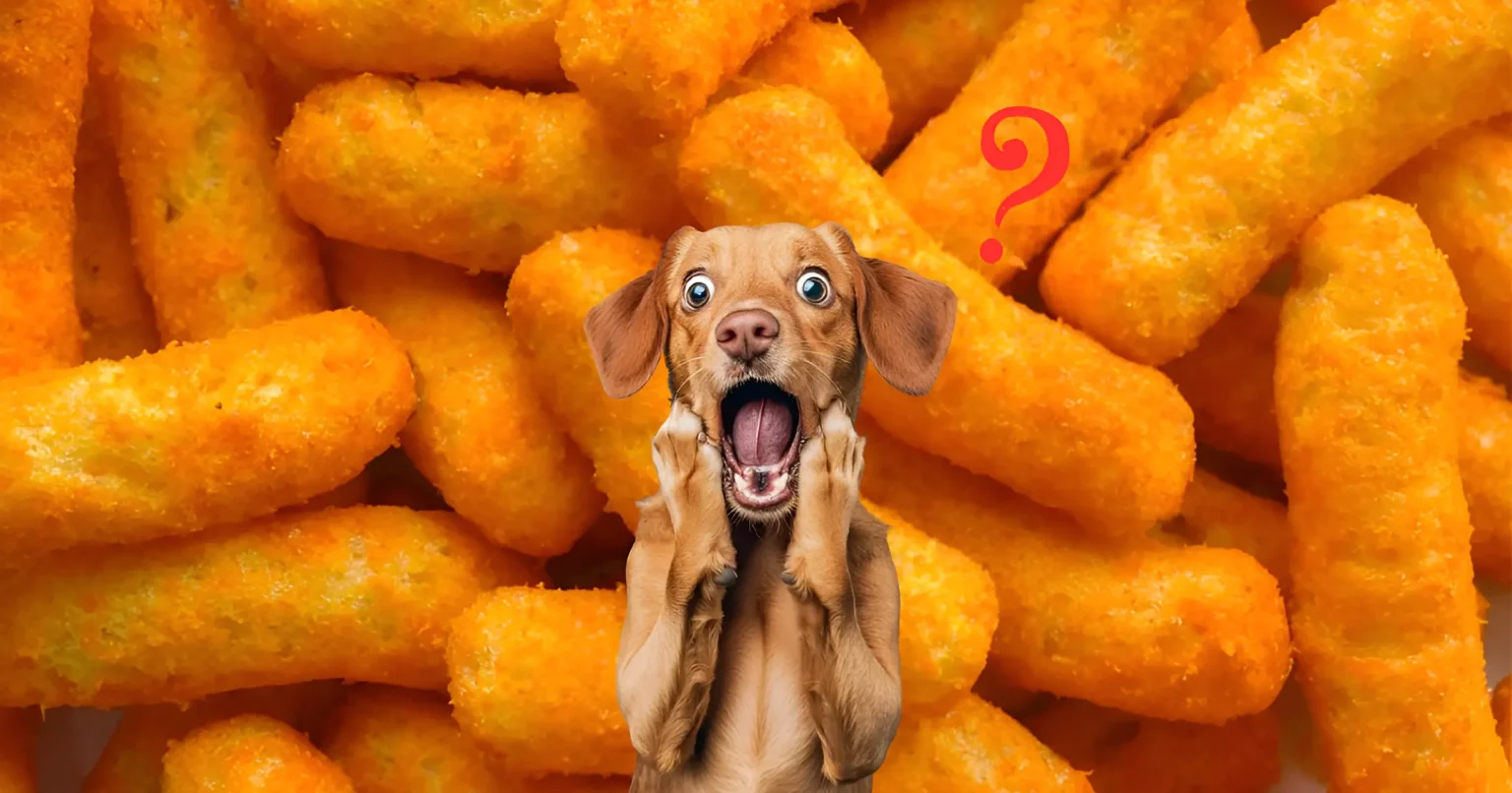
Hot Cheetos are a popular snack made from cornmeal and coated with spicy seasoning, including chili powder, artificial flavors, and sometimes cheese powder. They are known for their intense flavor, crunchy texture, and signature red-orange color. Humans often enjoy Hot Cheetos as a fun and spicy treat, but for dogs, the ingredients in these snacks can be problematic.
Key components of Hot Cheetos include:
- Cornmeal: The main ingredient, providing carbohydrates.
- Artificial seasonings: Spices, flavorings, and sometimes MSG.
- Salt: High sodium content for taste enhancement.
- Oil: Adds flavor and crunch but increases fat content.
- Coloring agents: Bright red dyes, which have no nutritional value.
While these ingredients are generally fine for humans in moderation, dogs process food differently, and many of these components can cause harm.
Can Dogs Eat Spicy Foods?
Dogs are sensitive to spicy foods. Unlike humans, their digestive systems are not designed to handle chili, hot peppers, or foods with strong spices. Feeding spicy snacks can lead to several issues:
- Digestive upset: Spicy foods can irritate a dog’s stomach and intestines, leading to vomiting, diarrhea, or abdominal pain.
- Excessive thirst and urination: Spicy and salty foods can make dogs very thirsty, potentially causing dehydration if water is not available.
- Pancreatitis risk: Foods high in fat and oil can trigger pancreatitis, a serious inflammation of the pancreas.
- Mouth and throat irritation: Spices can burn the sensitive tissues in a dog’s mouth and throat, causing discomfort or drooling.
Even a small piece of a spicy snack like a Hot Cheeto can be enough to trigger these issues, especially in small or sensitive dogs.
Are Any Ingredients in Hot Cheetos Safe for Dogs?
Let’s examine whether any component of Hot Cheetos is safe for dogs:
- Cornmeal: While plain corn can be safe in small amounts, it provides no essential nutrients and is high in carbohydrates.
- Salt: Dogs require some sodium, but Hot Cheetos contain far more than what is healthy for them. Excess salt can lead to sodium poisoning.
- Cheese powder: Some dogs are lactose intolerant, and cheese powder can cause digestive upset.
- Spices and chili powder: These are harmful and can cause severe gastrointestinal irritation.
- Artificial dyes and flavorings: These are unnecessary additives and may cause allergic reactions in some dogs.
In summary, the main ingredients in Hot Cheetos are either harmful or unnecessary for dogs. Even small amounts should be avoided.
Short-Term Effects of Eating Hot Cheetos
If a dog accidentally eats Hot Cheetos, some immediate effects might include:
- Vomiting and diarrhea
- Excessive drooling
- Stomach cramps or discomfort
- Increased thirst
- Restlessness or signs of pain
Most healthy dogs may recover from a small accidental ingestion, but it can be dangerous for puppies, senior dogs, or dogs with pre-existing digestive or kidney issues.
Long-Term Effects of Feeding Dogs Spicy Snacks
Feeding your dog Hot Cheetos or other spicy snacks regularly can have serious long-term consequences:
- Obesity: High fat and calorie content contribute to weight gain, especially if the dog is not very active.
- Pancreatitis: Repeated intake of fatty foods can trigger inflammation of the pancreas, which can be life-threatening.
- Kidney or heart issues: Excess sodium intake can strain the kidneys and cardiovascular system over time.
- Behavioral problems: Dogs may develop begging behavior or preference for unhealthy human foods.
It is clear that Hot Cheetos are not a safe or healthy snack for dogs under any circumstances.
Safer Snack Alternatives for Dogs
If you want to treat your dog, there are plenty of safe and nutritious alternatives that can satisfy their curiosity and taste buds:
- Carrot sticks: Low in calories and high in fiber and vitamins.
- Apple slices (without seeds): Sweet, crunchy, and packed with vitamins.
- Plain popcorn: Unsalted and unbuttered popcorn can be a fun, crunchy treat.
- Peanut butter: A small amount of unsalted, xylitol-free peanut butter is a favorite for many dogs.
- Commercial dog treats: Specially formulated to provide flavor, texture, and nutrients without harmful ingredients.
These options provide a better alternative than sharing spicy human snacks.
How to Handle Accidental Ingestion
If your dog accidentally eats Hot Cheetos, here’s what you should do:
- Monitor for symptoms: Watch for vomiting, diarrhea, or unusual behavior.
- Provide water: Ensure your dog has plenty of fresh water to counteract the salt and spices.
- Contact a vet if necessary: If your dog shows severe symptoms like persistent vomiting, lethargy, or abdominal pain, consult a veterinarian immediately.
- Avoid feeding human snacks in the future: Keep spicy snacks out of reach to prevent accidental ingestion.
Teaching Dogs Healthy Eating Habits
Training your dog to avoid human snacks is crucial for their long-term health:
- Use dog-friendly treats during training instead of human food.
- Set clear boundaries: Avoid feeding from the table or sharing snacks.
- Positive reinforcement: Reward healthy behavior with praise and safe treats.
This helps your dog develop good habits while protecting their health.
Myths About Dogs and Spicy Foods
There are some common misconceptions about dogs eating spicy foods:
- Myth 1: Dogs love spicy foods – Dogs may be curious about the smell but do not actually tolerate spice well.
- Myth 2: Small amounts won’t hurt – Even tiny amounts can irritate the stomach or cause long-term harm over time.
- Myth 3: Hot Cheetos provide nutrients – Hot Cheetos contain empty calories, salt, and additives, providing no nutritional benefits.
Understanding the truth helps pet owners make better dietary decisions.
Conclusion-can dogs eat hot cheetos
Hot Cheetos are not safe for dogs. The combination of spices, salt, fat, and artificial additives makes them harmful, even in small amounts. Accidental ingestion may cause temporary digestive upset, but repeated feeding can lead to severe health problems, including obesity, pancreatitis, and kidney or heart issues.
For dog owners who want to share treats, safer alternatives like carrots, apples, plain popcorn, or commercial dog treats are excellent options. Always introduce new foods gradually, monitor your dog’s reaction, and prioritize their health over curiosity or convenience.
Keeping human snacks like Hot Cheetos out of reach and focusing on dog-safe alternatives will ensure your furry friend stays healthy, happy, and full of energy.
Key Takeaways:
- Dogs should never be fed Hot Cheetos intentionally.
- Spices, salt, fat, and artificial additives can harm dogs.
- Safe alternatives include vegetables, fruits, and dog-friendly treats.
- Accidental ingestion may cause vomiting, diarrhea, or discomfort.
- Consistent training helps dogs avoid human snacks in the future.
FAQs
Q1: Can dogs eat Hot Cheetos occasionally?
No, even small amounts can irritate the stomach and have long-term health risks.
Q2: What should I do if my dog eats Hot Cheetos?
Monitor for vomiting, diarrhea, and excessive thirst. Provide water and contact a vet if symptoms persist.
Q3: Are plain Cheetos safe for dogs?
No, all Cheetos varieties contain salt, oil, and additives, making them unsafe for dogs.
Q4: What are safe alternatives to Hot Cheetos?
Carrot sticks, apple slices, plain popcorn, peanut butter, and dog treats are healthy and safe options.
Q5: Can spicy foods cause long-term harm to dogs?
Yes, repeated exposure to spicy or high-fat foods can lead to obesity, pancreatitis, and kidney or heart issues.
Q6: Can small dogs tolerate Hot Cheetos better than large dogs?
No, small dogs are more sensitive to spices and salt, so they are at higher risk even with tiny amounts.
For More Visits: Animalsinfo
Also Read: Can Dogs Eat Cilantro Lime Rice? Healthy Tips 2025