


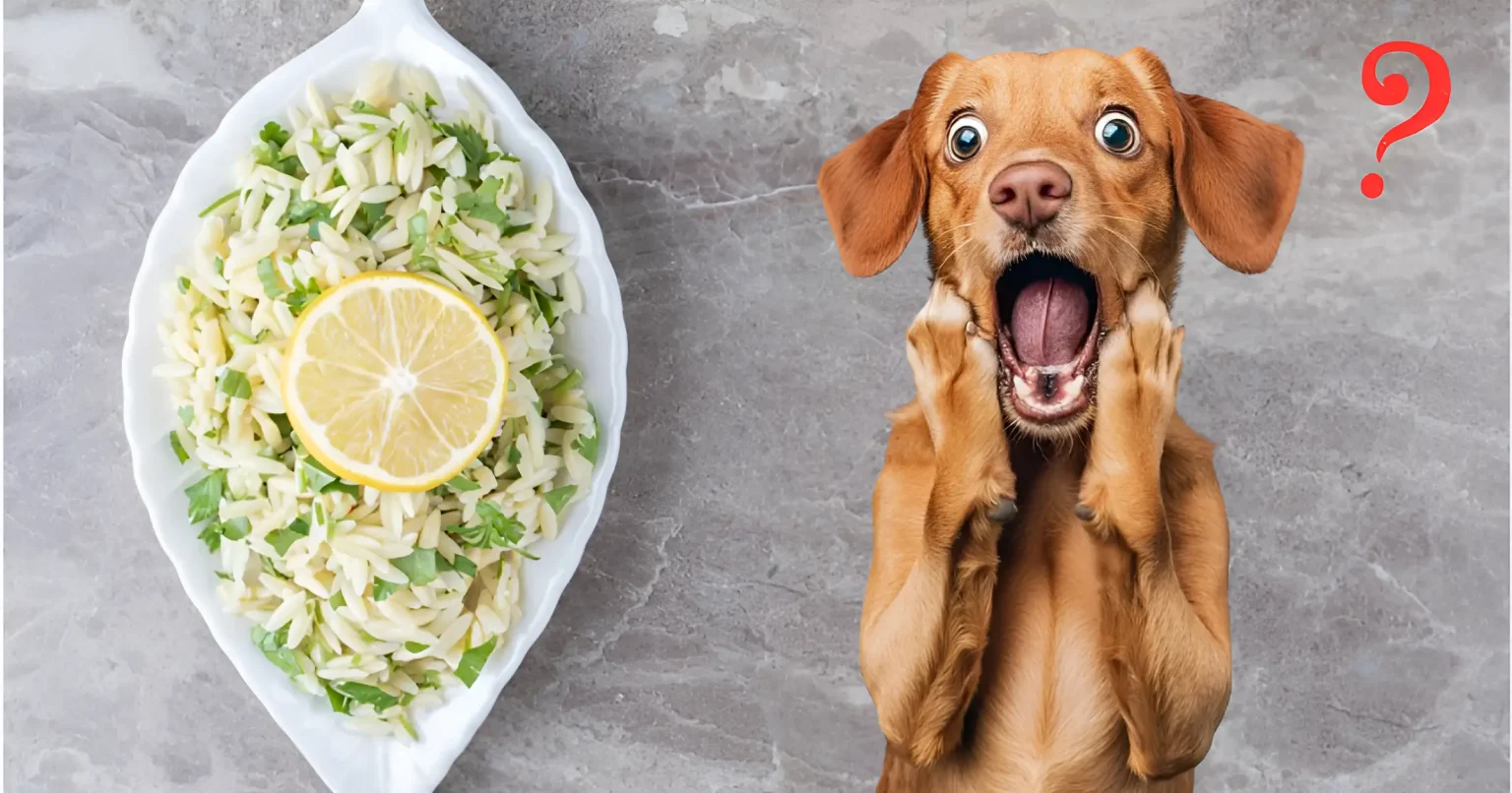
Can dogs eat cilantro lime rice? Dogs are naturally curious eaters, and as loving pet owners, many of us wonder about the safety of the foods we enjoy for our furry friends. One such food that often comes into question is cilantro lime rice. Popular in many cuisines, this flavorful rice dish combines zesty lime, fresh cilantro, and cooked rice—a combination that smells irresistible to humans. But the real question is: can dogs safely eat cilantro lime rice?
In this article, we will explore whether dogs can have cilantro lime rice, the potential health benefits and risks, safe alternatives, and practical advice for feeding it to your pet.
Understanding Cilantro Lime Rice
Cilantro lime rice is made by cooking rice, usually white or brown, and then mixing it with fresh lime juice, lime zest, chopped cilantro, and sometimes a small amount of oil or butter. Some recipes may include garlic, onions, or spices for extra flavor. The result is a fragrant, tangy, and slightly herbal side dish that pairs well with a variety of meals.
From a human perspective, cilantro lime rice is a healthy and tasty option. Rice provides carbohydrates and energy, lime offers vitamin C, and cilantro contains vitamins and antioxidants. However, for dogs, not all these ingredients are equally safe.
Can Dogs Eat Rice?
Rice itself is generally safe for dogs and is commonly used in dog foods and homemade dog meals. White rice is easy to digest, making it ideal for dogs with digestive issues, while brown rice offers additional fiber. Benefits of rice for dogs include:
- Digestive support: Rice is bland and gentle on the stomach, helping dogs with upset stomachs or diarrhea.
- Energy source: Carbohydrates in rice provide a steady source of energy.
- Weight management: Rice can be part of a balanced diet when measured correctly.
Despite these benefits, rice should never replace a dog’s main diet and should be served plain without added seasonings that can harm dogs.
Can Dogs Eat Cilantro?
Cilantro, also known as coriander leaves, is generally safe for dogs in small amounts. It is low in calories and contains nutrients such as vitamin K, vitamin C, and antioxidants. Some potential benefits of cilantro for dogs include:
- Detoxification: Cilantro may help remove heavy metals from the body.
- Digestive health: It can support healthy digestion and reduce gas.
- Anti-inflammatory properties: Cilantro contains compounds that may help reduce inflammation.
However, excessive consumption can lead to digestive upset, including diarrhea or stomach cramps.
Can Dogs Eat Lime?
Lime, like other citrus fruits, contains citric acid. While a tiny amount of lime juice is unlikely to harm dogs, there are risks associated with feeding dogs lime:
- Acidic content: Limes are highly acidic, which can upset a dog’s stomach.
- Essential oils and psoralens: The peel contains compounds that can be toxic in larger quantities.
- Diarrhea and vomiting: Even small amounts of lime zest or juice can trigger digestive issues in sensitive dogs.
For this reason, it is generally advised not to feed dogs lime. A few accidental small drops of juice are unlikely to cause harm, but it is not recommended to include lime in a dog’s meal intentionally.
Risks of Feeding Dogs Cilantro Lime Rice
Given the ingredients, feeding cilantro lime rice to dogs comes with several potential risks:
- Digestive upset: Lime juice can cause vomiting, diarrhea, or stomach discomfort.
- Toxicity from spices: Some recipes may include garlic or onion powder, both of which are toxic to dogs and can damage red blood cells.
- High sodium content: Certain recipes add salt or seasoned broths, which are harmful in large amounts.
- Weight gain: Oil or butter in the rice increases calorie content, which can contribute to obesity if fed regularly.
Even if the rice itself is safe, the other ingredients make cilantro lime rice unsuitable for dogs as a regular treat.
How to Make Dog-Friendly Cilantro Rice
If you want to give your dog a version of cilantro rice without the risks, you can make a dog-safe alternative:
Ingredients:
- Plain cooked white or brown rice
- A small pinch of fresh cilantro (chopped)
- Optional: a tiny bit of cooked carrot or peas for extra nutrition
Instructions:
- Cook rice without salt, oil, or butter.
- Let it cool to room temperature.
- Mix in a very small amount of chopped cilantro.
- Serve a small portion as a treat or part of a meal.
This version provides some flavor and nutrients without the harmful effects of lime, garlic, or added salt.
Serving Size and Moderation
Even safe ingredients like rice and cilantro should be served in moderation. Too much rice can lead to constipation or excessive carbohydrate intake. A small portion added to your dog’s regular meal is sufficient. For small dogs, a tablespoon or two is enough, while medium to large dogs can have slightly more.
Always introduce new foods gradually to monitor how your dog’s digestive system reacts.
Health Benefits of Rice and Cilantro for Dogs
When served safely, rice and cilantro can have some health benefits for dogs:
- Digestive aid: Plain rice helps soothe upset stomachs and can firm loose stools.
- Nutritional support: Cilantro provides vitamins, antioxidants, and may support liver function.
- Low-calorie treat: Rice with a tiny amount of cilantro can be a healthy alternative to high-fat commercial treats.
Remember, these benefits apply only when ingredients are prepared safely and served in appropriate amounts.
Foods to Avoid in Cilantro Rice
Certain additions to cilantro lime rice can be extremely harmful to dogs:
- Garlic: Can cause anemia and digestive upset.
- Onion: Toxic even in small quantities, leading to gastrointestinal distress.
- High salt or seasoning: Excess sodium can cause dehydration, kidney issues, or hypertension.
- Oil or butter in large quantities: Can trigger pancreatitis, especially in small or overweight dogs.
- Citrus zest or juice in large amounts: Can irritate the stomach and lead to vomiting.
Always ensure that your dog’s food is free from these ingredients.
Alternatives to Cilantro Lime Rice
If you want to treat your dog safely with a similar flavor profile, consider:
- Plain rice with a pinch of parsley or cilantro: Safe and flavorful.
- Cooked sweet potato: Provides carbohydrates, fiber, and vitamins.
- Vegetable mix: Carrots, peas, and zucchini can be added to rice for extra nutrients.
These alternatives allow your dog to enjoy a tasty and healthy meal without the risks of lime or other harmful spices.
Conclusion-can dogs eat cilantro lime rice
While dogs can safely eat rice and small amounts of cilantro, cilantro lime rice is not recommended for dogs due to lime and potential seasonings. Accidental ingestion of a small amount is unlikely to cause serious harm, but regular feeding can lead to digestive issues or toxicity.
For dog owners who want to provide a similar experience, dog-safe cilantro rice made without lime, salt, or spices is a perfect alternative. Always serve new foods in moderation and monitor your pet’s reaction. By doing so, you can keep your dog healthy while occasionally sharing flavors they enjoy.
Key Takeaways:
- Dogs can eat plain rice safely.
- Cilantro is safe in small amounts.
- Lime and certain spices in cilantro lime rice are harmful to dogs.
- Dog-safe alternatives include plain rice with a pinch of cilantro or vegetables.
- Always introduce new foods gradually and in moderation.
FAQs
Q1: Can dogs eat lime?
No, lime juice or zest is generally not safe for dogs due to high acidity and potential toxicity.
Q2: Is plain rice safe for dogs?
Yes, plain white or brown rice is safe and often recommended for dogs with digestive issues.
Q3: Can dogs have cilantro?
Yes, a small amount of cilantro is safe and can provide antioxidants and vitamins.
Q4: What should I do if my dog accidentally eats cilantro lime rice?
Monitor for vomiting or diarrhea. If your dog shows severe symptoms, contact a vet immediately.
Q5: Are there safe ways to flavor rice for dogs?
Yes, use plain rice with a tiny amount of cilantro, parsley, or cooked vegetables without added salt or spices.
Q6: Can garlic or onion in rice harm dogs?
Yes, both garlic and onion are toxic to dogs and should never be included.
For More Visits: Animalsinfo
Also Read: Can Dogs Eat Ginger Nut Biscuits? Top 5 Tips 2025