


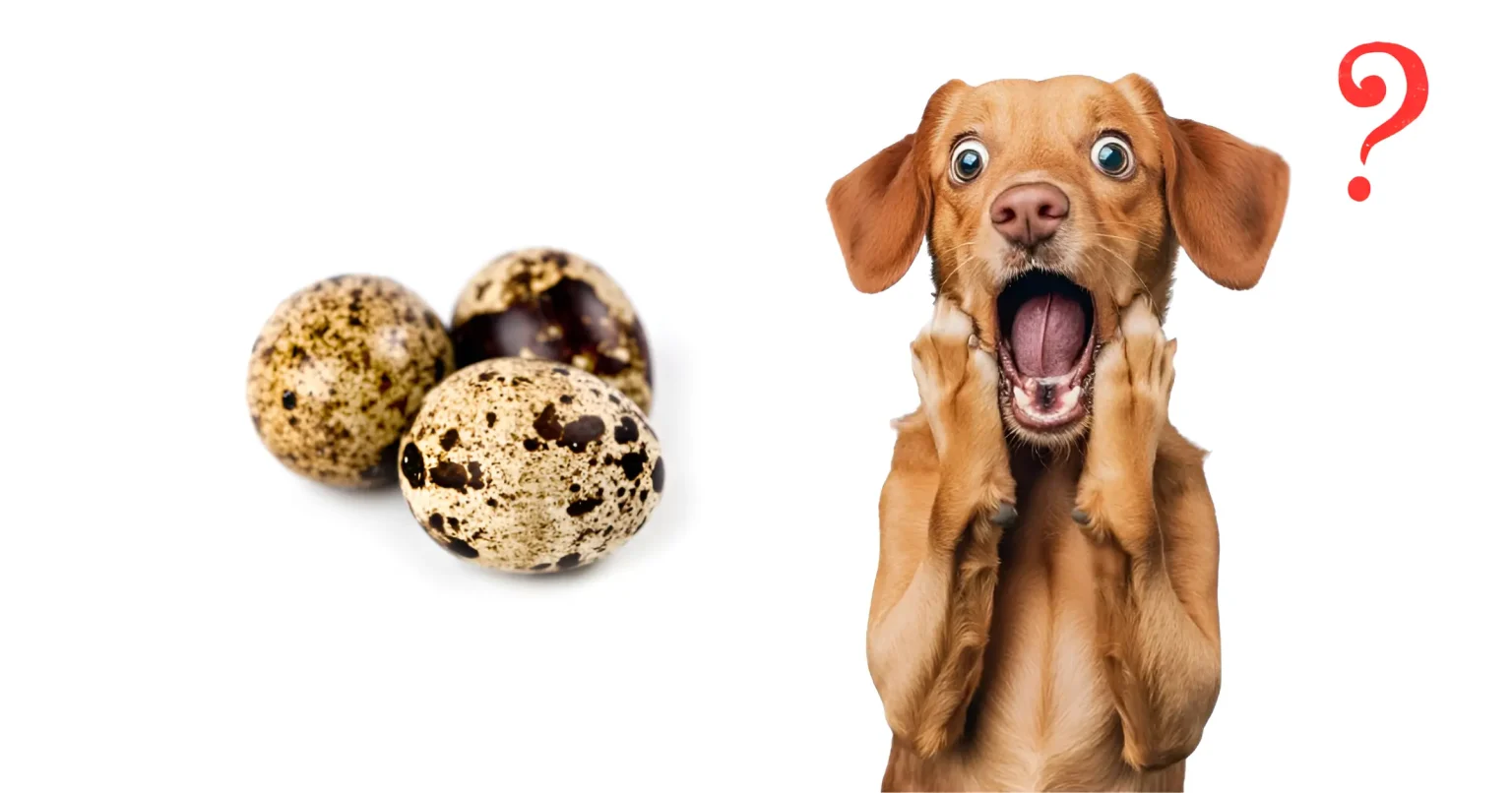
Dogs are naturally curious creatures, and as pet owners, we often wonder which human foods are safe for them. One food that has gained attention for its nutritional benefits is quail eggs. Known for their small size and rich nutrient content, quail eggs are often considered a superfood for humans, but the question remains: can dogs eat quail eggs safely?
This comprehensive guide explores the benefits, preparation methods, potential risks, portioning, and frequently asked questions about feeding quail eggs to dogs, ensuring your pet enjoys them safely.
What Are Quail Eggs?
Quail eggs are small eggs laid by quails, typically about one-third the size of a chicken egg. Despite their size, quail eggs are packed with nutrients including protein, vitamins, minerals, and healthy fats.
They have been consumed by humans for centuries and are celebrated for their high nutrient density and digestibility. For dogs, quail eggs can serve as an occasional supplement or treat when properly prepared and portioned.
Nutritional Profile of Quail Eggs
Quail eggs offer a variety of nutrients beneficial for dogs:
- High-Quality Protein: Supports muscle growth and repair.
- Essential Amino Acids: Provides building blocks for overall body functions.
- Vitamins: Rich in vitamin A, B-complex vitamins, and vitamin D, supporting vision, metabolism, and bone health.
- Minerals: Includes iron, calcium, phosphorus, and selenium, promoting strong bones, teeth, and immune function.
- Healthy Fats: Contain omega-3 and omega-6 fatty acids that contribute to skin and coat health.
These nutrients make quail eggs a compact and nutritious food source that can complement your dog’s regular diet.
Can Dogs Eat Quail Eggs Safely?
Yes, dogs can eat quail eggs safely when given in moderation and prepared correctly. Quail eggs are non-toxic to dogs, and both the egg whites and yolks provide beneficial nutrients.
However, there are some key considerations:
- Moderation: Too many eggs can lead to digestive upset or excessive calorie intake.
- Cooking Method: While some raw feeders offer raw eggs, lightly cooking quail eggs reduces the risk of bacterial contamination such as Salmonella.
- Allergies: Some dogs may be allergic to eggs, so introduce them gradually and monitor for reactions.
When served appropriately, quail eggs are a healthy, protein-rich treat or dietary supplement.
Health Benefits of Quail Eggs for Dogs
Feeding quail eggs to dogs offers several health benefits:
- Supports Immune Function: Vitamins and minerals in quail eggs boost the immune system and help fight infections.
- Promotes Healthy Skin and Coat: Omega-3 fatty acids improve coat shine and reduce skin irritation.
- Supports Digestive Health: Eggs are easily digestible and provide nutrients that support gut function.
- Bone and Teeth Health: Calcium and phosphorus in quail eggs strengthen bones and teeth.
- Energy and Vitality: Protein and essential amino acids provide sustained energy for active dogs.
Quail eggs can be particularly beneficial for puppies, senior dogs, or dogs recovering from illness due to their nutrient density and digestibility.
How to Prepare Quail Eggs for Dogs
Proper preparation is key to ensuring that quail eggs are safe and nutritious for dogs. Here are the most effective methods:
1. Boiling
- Place quail eggs in a pot and cover with water.
- Bring to a gentle boil and cook for 3–5 minutes for hard-boiled eggs.
- Cool completely before peeling and serving.
- Cut into small pieces for small dogs or serve whole to larger dogs.
2. Steaming
- Place eggs in a steamer basket over boiling water.
- Steam for 5–6 minutes until fully cooked.
- Allow to cool before serving.
3. Scrambling (Plain)
- Lightly scramble quail eggs in a non-stick pan without oil, butter, or seasoning.
- Let the eggs cool before feeding to your dog.
4. Raw Feeding (Optional)
- Raw eggs provide enzymes that some proponents of raw feeding value.
- Use only fresh, high-quality quail eggs and practice strict hygiene.
- Introduce raw eggs gradually to monitor for digestive tolerance.
Avoid adding salt, spices, oil, or any other seasoning as these can be harmful to dogs.
How Many Quail Eggs Can Dogs Eat?
Portion size depends on your dog’s size, age, and activity level:
- Small Dogs (up to 20 lbs): 1 quail egg per day or 2–3 times per week
- Medium Dogs (20–50 lbs): 2–3 quail eggs per day or 3–4 times per week
- Large Dogs (50–100 lbs): 3–5 quail eggs per day or 4–5 times per week
Quail eggs should be given as a treat or dietary supplement, not as a replacement for balanced dog food. Overfeeding can lead to digestive issues or an imbalance in nutrients.
Quail Eggs for Puppies
Puppies can benefit from quail eggs because they are small, easy to digest, and nutrient-rich.
- Introduce gradually, starting with half an egg or one small egg.
- Monitor for any signs of digestive upset, such as vomiting or diarrhea.
- Quail eggs provide protein and essential nutrients that support growth and development.
Always consult with a veterinarian before introducing new foods to a puppy’s diet.
Potential Risks of Quail Eggs for Dogs
While quail eggs are generally safe, potential risks include:
- Allergic Reactions: Dogs allergic to eggs may experience itching, digestive upset, or swelling.
- Digestive Upset: Overfeeding can cause diarrhea, vomiting, or bloating.
- Bacterial Contamination: Raw eggs carry a risk of Salmonella or E. coli if not handled properly.
- Calorie Intake: Too many eggs can contribute to weight gain.
Feeding quail eggs in moderation and following safe preparation methods minimizes these risks.
Quail Eggs vs Chicken Eggs
Quail eggs are often compared to chicken eggs:
- Size: Quail eggs are smaller and easier to portion for small dogs.
- Nutrient Density: Quail eggs contain more vitamins and minerals per gram than chicken eggs.
- Digestibility: Quail eggs are generally easier to digest due to their smaller size.
While both are safe and nutritious, quail eggs can be a convenient alternative for small dogs or those requiring highly digestible protein.
Storage of Quail Eggs
- Refrigeration: Store fresh quail eggs in the refrigerator for up to 3–4 weeks.
- Cooked Eggs: Keep cooked quail eggs in an airtight container in the refrigerator for 3–4 days.
- Freezing: Boiled eggs can be frozen for later use; thaw in the refrigerator before feeding.
Proper storage ensures freshness and reduces the risk of bacterial contamination.
Introducing Quail Eggs to Your Dog
- Start with one small egg and observe your dog’s reaction.
- Monitor for signs of digestive upset or allergic reactions.
- Gradually increase serving size as tolerated.
- Combine quail eggs with regular dog food initially for a smooth transition.
Always supervise your dog while feeding quail eggs to ensure safety, particularly for small or young dogs.
Common Misconceptions About Dogs and Eggs
- Eggs are fattening: While eggs contain fat, they are nutrient-dense and beneficial when fed in moderation.
- Dogs can eat unlimited eggs: Overfeeding can cause digestive upset or nutrient imbalance.
- Raw eggs are unsafe: Properly handled raw eggs can be fed safely, but cooking reduces bacterial risks.
Understanding these misconceptions helps pet owners make informed decisions about adding eggs to their dog’s diet.
Frequently Asked Questions (FAQs)
Can puppies eat quail eggs?
Yes, in small amounts. Quail eggs provide essential nutrients that support growth and are easy to digest for puppies.
Are quail eggs safe for all dogs?
Generally yes, but dogs with egg allergies, digestive sensitivities, or obesity should consume them cautiously.
How should quail eggs be prepared for dogs?
Boiling, steaming, or plain scrambling is recommended. Avoid adding salt, oil, or seasoning.
How often can dogs eat quail eggs?
1–3 eggs for small dogs, 2–4 eggs for medium dogs, and 3–5 eggs for large dogs, 2–5 times per week depending on size and dietary needs.
Can quail eggs replace regular dog food?
No, quail eggs are a supplement or treat and should not replace a complete, balanced diet.
Are quail eggs better than chicken eggs for dogs?
Quail eggs are smaller and more nutrient-dense, making them convenient for small dogs or highly digestible diets.
Final Thoughts on Can Dogs Eat Quail Eggs
Quail eggs are a safe, nutritious, and easily digestible treat for dogs when fed in moderation. They provide high-quality protein, vitamins, minerals, and healthy fats that support overall health, skin and coat condition, immune function, and energy levels.
Proper preparation, portioning, and storage are key to ensuring safety. Start with small amounts, monitor your dog’s reaction, and incorporate quail eggs as part of a balanced diet.
With careful handling and mindful feeding, quail eggs can be a valuable addition to your dog’s diet, offering both nutritional benefits and a tasty, wholesome treat.
For More Visits: Animalsinfo
Also Read: Salmon Dog Food Recipe: 5 Healthy Meals 2025