


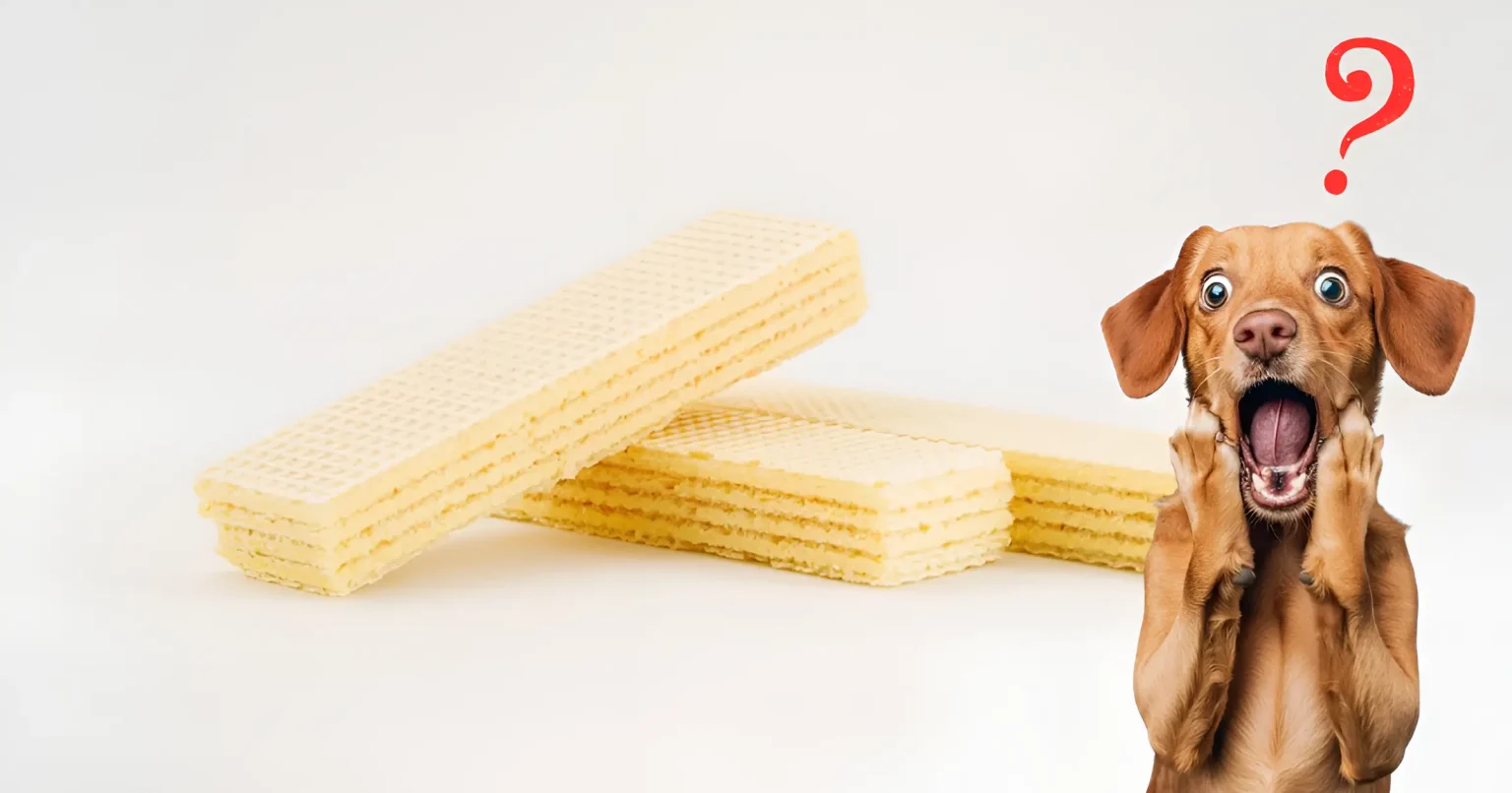
Dogs are naturally curious animals and are often intrigued by the foods we enjoy. One common treat that catches their attention is vanilla wafers. These small, sweet cookies are loved by humans for their light, crunchy texture and mild vanilla flavor. Many dog owners wonder whether these treats are safe for their pets. Can dogs eat vanilla wafers without any health risks?
In this article, we will explore whether vanilla wafers are safe for dogs, the possible health risks, safe alternatives, and guidelines for treating your dog responsibly.
What Are Vanilla Wafers?
Vanilla wafers are small, thin cookies that are sweetened and flavored with vanilla extract. They are typically made from ingredients such as:
- Flour: Usually wheat flour, which forms the base of the cookie
- Sugar: Provides sweetness
- Vegetable oil or butter: Adds fat for texture and flavor
- Eggs: Acts as a binding agent
- Vanilla extract: For flavor
- Leavening agents: Such as baking powder or soda
While vanilla wafers are safe and enjoyable for humans, their composition poses several concerns for dogs. Unlike humans, dogs cannot process sugar or certain additives as efficiently.
Can Dogs Eat Vanilla Wafers?
The short answer is dogs can eat vanilla wafers occasionally in very small amounts, but they should not be a regular part of a dog’s diet. The main concern lies in the sugar, fat, and other additives that may cause digestive or long-term health problems.
Sugar Content
Sugar is not toxic to dogs, but it can have negative effects on their health if consumed frequently. Regular sugar intake can lead to:
- Obesity: Extra calories contribute to weight gain
- Dental problems: Sugar can cause plaque and cavities
- Diabetes: Over time, excessive sugar can increase the risk of diabetes
Since vanilla wafers are high in sugar, even small amounts should be given sparingly.
Fat Content
Vanilla wafers contain fat from butter or vegetable oil. While some fat is necessary for a dog’s diet, excessive fat can cause:
- Digestive upset: Diarrhea or vomiting
- Pancreatitis: Inflammation of the pancreas, which is a serious condition
- Weight gain: Contributing to obesity-related health issues
Additives and Flavorings
Vanilla wafers often contain additional additives like artificial flavors, preservatives, or salt. These ingredients are not suitable for dogs and can contribute to digestive issues or other long-term health problems.
Short-Term Effects of Eating Vanilla Wafers
If a dog eats a small amount of vanilla wafers, the immediate effects may include:
- Mild stomach upset, including diarrhea or vomiting
- Temporary hyperactivity due to sugar content
- Increased thirst
Most healthy adult dogs may tolerate a few crumbs without major issues, but repeated consumption is strongly discouraged.
Long-Term Effects of Feeding Dogs Vanilla Wafers
Regularly feeding dogs vanilla wafers can lead to serious long-term consequences:
- Obesity: Extra calories and fat contribute to excessive weight gain
- Diabetes: Long-term sugar intake increases the risk of developing diabetes
- Dental problems: Plaque buildup can lead to gum disease and tooth decay
- Pancreatitis: High-fat foods can trigger this dangerous inflammation
- Behavioral issues: Dogs may develop begging habits or become picky with their regular diet
Safer Alternatives to Vanilla Wafers
If you want to give your dog a treat without the risks associated with vanilla wafers, consider these healthy alternatives:
1. Dog-Safe Cookies
Many commercial dog treats are formulated specifically for canine consumption. These cookies are usually low in sugar, fat, and contain ingredients that support digestive and dental health.
2. Fruits and Vegetables
Certain fruits and vegetables make excellent treats for dogs:
- Carrots: Low in calories, high in fiber and vitamins
- Apple slices: Sweet and crunchy, but remove seeds
- Blueberries: Antioxidant-rich and small enough for bite-sized treats
- Pumpkin puree: Helps with digestion and is low in calories
3. Homemade Dog Treats
You can make simple, healthy treats at home using dog-safe ingredients:
- Peanut butter cookies: Made with whole wheat flour, unsweetened peanut butter, and eggs
- Pumpkin biscuits: Using pumpkin puree, oats, and whole wheat flour
Homemade treats allow you to control the ingredients and avoid sugar, salt, or harmful additives.
How to Introduce Treats Safely
When introducing any new treat, including small amounts of vanilla wafers, follow these guidelines:
- Start with a tiny portion: One or two crumbs mixed into their regular food
- Observe your dog: Monitor for vomiting, diarrhea, or unusual behavior
- Avoid frequent feeding: Treats should not exceed 10% of a dog’s daily caloric intake
- Provide fresh water: Ensure your dog stays hydrated, especially if sugar is involved
Portion Control and Moderation
Moderation is key when giving dogs any human food. Vanilla wafers should be an occasional treat rather than a staple. Small dogs should get no more than a single wafer as a rare treat, while larger dogs may tolerate a couple more. Overfeeding increases the risk of weight gain and digestive issues.
Myths About Dogs and Sweet Treats
Many dog owners have misconceptions about feeding treats:
- Myth 1: Dogs love sweet treats – While dogs may enjoy the taste, they do not require sugar, and it can be harmful in the long run
- Myth 2: Small amounts are harmless – Even small amounts of sugar and fat can accumulate over time and impact health
- Myth 3: Human cookies are safe – Most store-bought cookies contain sugar, fat, salt, and additives unsuitable for dogs
Understanding these myths helps owners make better choices for their pets.
Conclusion
Vanilla wafers are not a suitable food for dogs due to their sugar, fat, and additives. Occasional ingestion of a small piece is unlikely to harm a healthy adult dog, but regular feeding can lead to obesity, diabetes, pancreatitis, dental problems, and other health issues.
For safe alternatives, consider dog-safe commercial treats, fruits, vegetables, or homemade biscuits made from dog-friendly ingredients. Always feed treats in moderation and prioritize your dog’s overall nutrition and health.
Key Takeaways:
- Vanilla wafers contain sugar, fat, and additives that can harm dogs.
- Small, accidental consumption may cause mild digestive upset but is usually not dangerous.
- Regular feeding can lead to obesity, diabetes, dental problems, and pancreatitis.
- Safer alternatives include fruits, vegetables, commercial dog treats, and homemade biscuits.
- Treats should never exceed 10% of daily caloric intake.
FAQs
Q1: Can dogs eat vanilla wafers occasionally?
Yes, in very small amounts as a rare treat, but it is not recommended regularly.
Q2: Are vanilla wafers toxic to dogs?
No, they are not toxic, but they can cause health issues if fed frequently.
Q3: What should I do if my dog eats several vanilla wafers?
Monitor for vomiting, diarrhea, or signs of distress. Contact a vet if symptoms are severe.
Q4: Are there dog-friendly alternatives to vanilla wafers?
Yes, fruits like carrots, apples, blueberries, pumpkin, commercial dog treats, and homemade biscuits.
Q5: Can vanilla wafers cause weight gain in dogs?
Yes, due to their sugar and fat content, regular feeding can lead to obesity.
Q6: How should I introduce new treats to my dog?
Start with a tiny portion, monitor for digestive upset, and ensure treats do not exceed 10% of daily calories.
For More Visits: Animalsinfo
Also Read: Can Cats Eat Sesame Seeds? Safe Tips 2025