

When you’re enjoying a slice of creamy, flavorful Muenster cheese, it’s natural to wonder whether your dog can share a bite. Many dog owners want to treat their pets with human foods, but safety always comes first. While some cheeses are considered safe for dogs in moderation, others may cause digestive discomfort or long-term health issues. Muenster cheese, known for its mild flavor and semi-soft texture, raises a common question: is it safe for dogs to eat Muenster cheese?
This article explores everything you need to know, including the benefits, risks, feeding guidelines, and healthier alternatives.
What Is Muenster Cheese?
Muenster cheese is a semi-soft cheese with origins in France and the United States. It is made from cow’s milk and has a smooth texture, orange rind, and mild to slightly tangy flavor. Due to its meltability, Muenster cheese is often used in sandwiches, burgers, or as a snack.
Its primary nutritional components include:
- Fat: Both saturated and unsaturated fats.
- Protein: High-quality animal protein.
- Calcium: Supports strong bones and teeth.
- Sodium: A relatively high amount, especially in processed forms.
While these nutrients are beneficial to humans, dogs process them differently, which is why feeding cheese requires caution.
Can Dogs Eat Muenster Cheese?
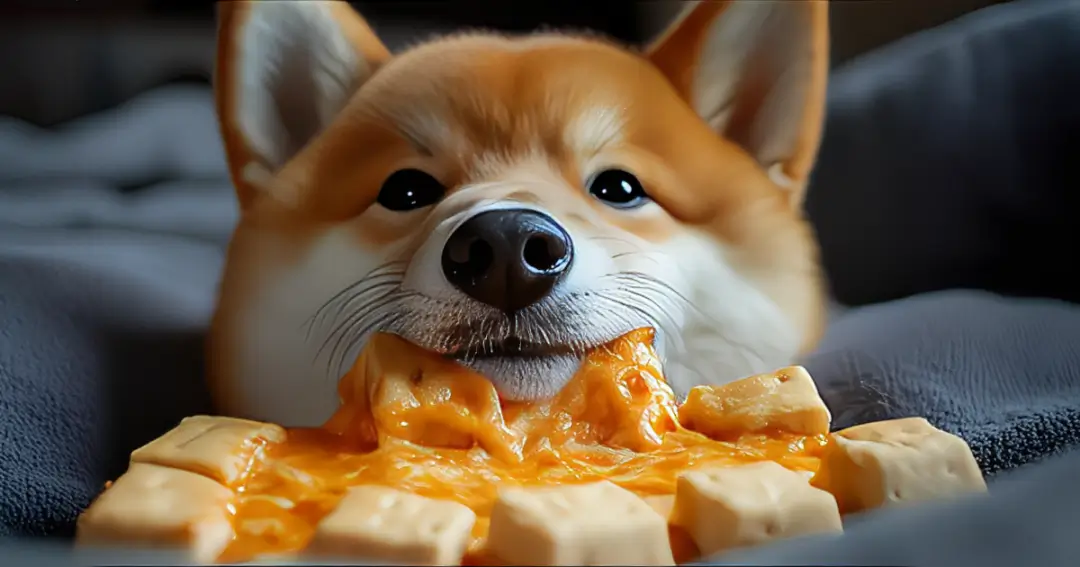
Yes, dogs can eat Muenster cheese in very small amounts, but it should never become a regular part of their diet. The cheese itself is not toxic to dogs, but it contains high levels of fat and sodium that can harm them if consumed frequently or in large portions.
For a healthy dog with no history of lactose intolerance or digestive issues, a small cube of Muenster cheese given as an occasional treat is generally safe. However, overfeeding may lead to stomach upset, obesity, or other long-term health concerns.
The Nutritional Benefits of Muenster Cheese for Dogs
Although cheese is not essential for a dog’s diet, small portions of Muenster cheese can provide certain nutritional benefits:
1. Protein for Muscle Health
Dogs need protein to maintain healthy muscles and support growth. Muenster cheese contains complete proteins that can be a quick source of energy.
2. Calcium for Strong Bones
Like most dairy products, Muenster cheese provides calcium, which helps strengthen bones and teeth. This may be helpful for puppies and older dogs, but it should come from their balanced dog food rather than cheese.
3. High-Palatability Training Aid
Because of its rich taste and smell, Muenster cheese can work as an excellent high-value reward for training. Dogs often respond more enthusiastically when given a piece of cheese compared to dry treats.
The Risks of Feeding Muenster Cheese to Dogs
While there are some benefits, the risks are significant if Muenster cheese is fed without moderation.
1. Lactose Intolerance
Many dogs have difficulty digesting lactose, the sugar found in milk. Even though cheese has less lactose than milk, it can still trigger diarrhea, bloating, and gas in sensitive dogs.
2. High Fat Content
Muenster cheese contains a high level of fat, which increases the risk of weight gain, obesity, and pancreatitis. Pancreatitis, an inflammation of the pancreas, is a serious condition that can be life-threatening.
3. Excessive Sodium
Dogs do not need high amounts of sodium. Too much salt can lead to dehydration, high blood pressure, and kidney strain. Processed cheeses like Muenster often contain added salt, making them unsuitable for frequent feeding.
4. Seasoned or Flavored Variants
Some Muenster cheese may be flavored with garlic, onion, or spices—all of which are toxic to dogs. If you ever share a piece, ensure it is plain and unseasoned.
How Much Muenster Cheese Can Dogs Have?
Moderation is the golden rule. If you want to share Muenster cheese with your dog:
- Give a small cube (about the size of a pea or thumbnail) as an occasional treat.
- Limit it to once or twice a week at most.
- Avoid giving cheese to puppies under 12 weeks, dogs with known lactose intolerance, or dogs on a restricted low-fat diet.
Remember, treats—including cheese—should make up no more than 10% of your dog’s daily calorie intake.
Safer Alternatives to Muenster Cheese
If you’d like to reward your dog with human foods, there are healthier options than Muenster cheese:
- Plain cooked chicken or turkey (lean protein, low fat).
- Carrot sticks (crunchy, low-calorie snack).
- Blueberries (antioxidant-rich treat).
- Pumpkin puree (supports digestion).
If cheese is your dog’s favorite, you can try low-fat cheeses like mozzarella or cottage cheese, which are easier on the stomach.
Tips for Feeding Cheese Safely
- Start small: Introduce cheese gradually and watch for signs of digestive upset.
- Avoid additives: Never feed cheese with garlic, onion, herbs, or artificial flavors.
- Balance the diet: Cheese should not replace your dog’s main food.
- Consult your vet: If your dog has health issues like kidney disease or pancreatitis, always ask your veterinarian before offering cheese.
Frequently Asked Questions (FAQs)
1. Is Muenster cheese toxic to dogs?
No, plain Muenster cheese is not toxic to dogs, but it can be harmful if fed in large amounts due to its fat and sodium content.
2. Can lactose-intolerant dogs eat Muenster cheese?
Most likely not. Even though Muenster cheese has less lactose than milk, it can still upset a lactose-intolerant dog’s stomach.
3. Can puppies eat Muenster cheese?
It’s best to avoid giving Muenster cheese to puppies. Their digestive systems are sensitive, and high-fat foods can harm their growth and health.
4. How much Muenster cheese is safe for a medium-sized dog?
A small cube, no bigger than your thumbnail, once in a while is safe. Anything beyond that may cause stomach upset or long-term health risks.
5. Are there any cheeses that are better for dogs than Muenster?
Yes. Low-fat cottage cheese and mozzarella are better options as they are lower in fat and easier to digest compared to Muenster cheese.
6. Can Muenster cheese cause pancreatitis in dogs?
Yes, if consumed in large amounts. The high fat content can trigger pancreatitis, which is a dangerous and painful condition.
7. Can Muenster cheese be used as a training treat?
Yes, in very small amounts. Due to its strong smell and taste, dogs find it motivating during training sessions.
Final Thoughts
So, can dogs have Muenster cheese? The answer is yes, but only in tiny amounts and on rare occasions. While it is not toxic, the high fat, sodium, and lactose levels make it a poor choice for regular feeding. If your dog enjoys a nibble now and then, keep it plain, small, and infrequent.
For long-term health, it’s always better to stick with balanced dog food and safe, vet-approved treats. Remember, what’s delicious to us may not always be the best for our furry companions.
For More Visits: Animalsinfo
Also Read: Can Dogs Eat Honey Nut Cheerios? 5 Powerful Facts 2025