

Dogs are naturally curious eaters. Whether you’re enjoying a sandwich, salad, or pizza, chances are your dog is watching closely, hoping for a bite. Among the many foods dogs may show interest in, pepperoncinis often raise questions. These small, tangy, slightly spicy peppers are popular in many dishes—but are they safe for dogs?
If you’ve ever wondered whether can dogs have pepperoncinis, this detailed guide will help you understand the risks, effects, and safer choices you can make for your pet’s health.
What Are Pepperoncinis?
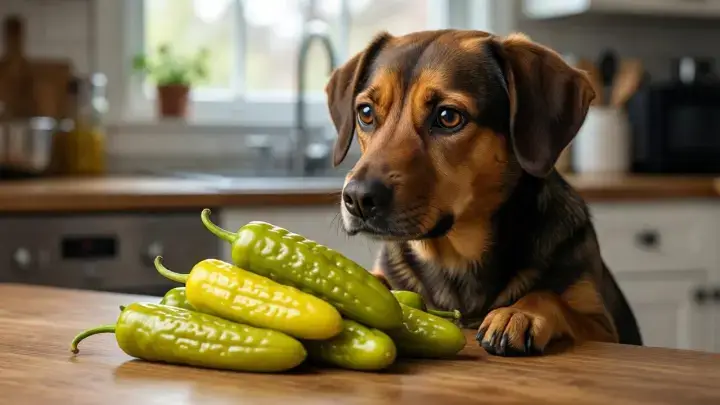
Pepperoncinis are mild chili peppers commonly used in Mediterranean and American cuisine. They are usually yellow-green in color and are often served pickled in jars with vinegar, salt, and spices. Their taste is tangy with a slight kick, though they are not as spicy as many other peppers.
While they may seem harmless because of their mild heat, their preparation and ingredients make them unsuitable for dogs in most cases.
Can Dogs Have Pepperoncinis?
The simple answer is no, dogs should not eat pepperoncinis. Although they are not highly toxic, they are not safe or appropriate for dogs due to their acidity, salt content, and potential to irritate a dog’s digestive system.
A small accidental bite may not cause serious harm, but intentionally feeding pepperoncinis to your dog is not a good idea.
Why Pepperoncinis Are Not Safe for Dogs
1. High Salt Content
Most pepperoncinis are pickled, which means they are preserved in a salty brine. Dogs do not require high amounts of sodium in their diet, and excessive salt can lead to dehydration and other health issues.
Even a small quantity of pickled foods can introduce more sodium than a dog’s body comfortably handles. Over time, high salt intake can affect kidney function and blood pressure.
2. Vinegar and Acidity
Pepperoncinis are typically soaked in vinegar, which gives them their tangy flavor. While vinegar is not highly toxic, it can irritate a dog’s stomach lining, especially if consumed in larger amounts.
Dogs have more sensitive digestive systems compared to humans. Acidic foods can lead to:
- Stomach discomfort
- Vomiting
- Loose stools
Repeated exposure to acidic foods can also disrupt the natural balance of their digestive tract.
3. Mild Spiciness
Even though pepperoncinis are considered mild for humans, they still contain compounds that create a spicy sensation. Dogs are much more sensitive to these compounds.
Spicy foods can cause:
- Mouth irritation
- Excessive drooling
- Gastrointestinal upset
Some dogs may show signs of discomfort almost immediately after consuming spicy food.
4. Added Preservatives and Seasonings
Commercial pepperoncinis often contain additional ingredients like garlic, onion powder, or artificial preservatives. Garlic and onions are particularly dangerous for dogs, even in small quantities, as they can damage red blood cells and lead to serious health issues.
Because you cannot always be certain of the exact ingredients in processed foods, it’s best to avoid them altogether.
What Happens If a Dog Eats Pepperoncinis?
If your dog accidentally eats a pepperoncini, the outcome will depend on the quantity consumed and your dog’s sensitivity.
In many cases, symptoms are mild and temporary. These may include:
- Upset stomach
- Diarrhea
- Vomiting
- Increased thirst
Some dogs may also appear restless or uncomfortable due to the spiciness and acidity.
If a dog consumes a large amount or shows severe symptoms such as persistent vomiting, lethargy, or signs of pain, it is important to seek veterinary advice.
Are Fresh Pepperoncinis Safer Than Pickled Ones?
Fresh pepperoncinis are slightly less harmful than pickled ones because they do not contain added salt or vinegar. However, they are still not recommended for dogs.
Even in their natural form, pepperoncinis contain compounds that can irritate a dog’s digestive system. Feeding fresh peppers does not eliminate the risk of discomfort or digestive upset.
Can Pepperoncinis Cause Long-Term Health Problems?
Occasional accidental consumption is unlikely to cause lasting damage. However, regularly feeding foods like pepperoncinis can contribute to ongoing digestive issues and nutritional imbalance.
Long-term risks may include:
- Chronic stomach sensitivity
- Poor dietary habits
- Increased risk of obesity due to inappropriate treats
Dogs thrive on consistency and balanced nutrition. Introducing unsuitable foods can interfere with their overall health.
Why Dogs Should Avoid Spicy and Pickled Foods
Dogs are not designed to process spicy or heavily seasoned foods. Their natural diet is much simpler, focusing on proteins and essential nutrients.
Spicy and pickled foods can:
- Disrupt digestion
- Cause inflammation
- Lead to unnecessary stress on internal organs
Even if a dog seems to enjoy these foods, it does not mean they are safe. Dogs often eat what is available without understanding the consequences.
Better Treat Options for Dogs
Instead of giving your dog pepperoncinis, there are many safer and healthier alternatives that still satisfy their curiosity and appetite.
Fresh Vegetables
Vegetables like carrots, cucumbers, and green beans are excellent low-calorie treats. They are crunchy, hydrating, and easy on the stomach.
Plain Cooked Meat
Unseasoned chicken or turkey can be a high-protein reward that dogs love.
Dog-Safe Fruits
Fruits such as apples (without seeds), bananas, and blueberries provide natural sweetness without harmful additives.
Commercial Dog Treats
High-quality dog treats are specifically formulated to meet nutritional needs and are a safer option than human food.
How to Prevent Your Dog from Eating Unsafe Foods
Dogs often eat things they shouldn’t simply because they have access to them. Preventing this behavior requires awareness and consistency.
Keep foods like pepperoncinis out of reach and avoid feeding your dog from the table. Training your dog to follow commands like “leave it” can also be very helpful.
Establishing clear boundaries not only protects your dog’s health but also builds better discipline over time.
Understanding Your Dog’s Dietary Needs
A dog’s diet should be balanced and appropriate for their size, age, and activity level. Foods high in salt, sugar, or spices do not provide any real nutritional value.
Feeding your dog properly ensures:
- Healthy digestion
- Strong immunity
- Stable energy levels
- Better overall well-being
Choosing the right foods is one of the most important responsibilities of being a pet owner.
When to Contact a Veterinarian
You should consult a veterinarian if your dog:
- Eats a large amount of pepperoncinis
- Shows persistent vomiting or diarrhea
- Appears unusually weak or lethargic
- Has a known sensitivity to certain foods
It’s always better to act early rather than wait for symptoms to worsen.
Final Thoughts
Pepperoncinis may be a flavorful addition to human meals, but they are not suitable for dogs. Their combination of salt, vinegar, and mild spice makes them a poor choice for canine consumption.
While a small accidental bite is unlikely to cause serious harm, regularly feeding pepperoncinis can lead to digestive issues and other health concerns. As a responsible pet owner, it’s best to avoid sharing such foods and stick to safer, dog-friendly options.
Your dog depends on you to make the right choices for their health. By understanding what foods to avoid, you can ensure a happier and healthier life for your furry companion.
Frequently Asked Questions (FAQs)
1. Can dogs eat pepperoncinis in small amounts?
A small accidental bite may not cause serious harm, but it is not recommended to feed them intentionally.
2. Are pepperoncinis toxic to dogs?
They are not highly toxic, but they can cause digestive upset and discomfort.
3. Can pepperoncinis cause diarrhea in dogs?
Yes, due to their acidity and salt content, they can lead to diarrhea and stomach upset.
4. Are fresh pepperoncinis safe for dogs?
Fresh ones are slightly less harmful than pickled, but they are still not suitable for dogs.
5. Why do dogs react badly to spicy foods?
Dogs have sensitive digestive systems and are more affected by spicy compounds than humans.
6. What should I do if my dog eats pepperoncinis?
Monitor for symptoms like vomiting or diarrhea. If symptoms persist, consult a veterinarian.
7. Can puppies eat pepperoncinis?
No, puppies are even more sensitive and should not be given such foods.
8. Are pickled foods generally bad for dogs?
Yes, most pickled foods contain salt and vinegar, which are not ideal for dogs.
9. Can pepperoncinis cause dehydration in dogs?
Yes, high salt content can increase thirst and lead to dehydration if consumed in excess.
10. What is a safe vegetable alternative for dogs?
Carrots, cucumbers, and green beans are safe and healthy options.
By making informed choices about your dog’s diet, you not only prevent health issues but also build a foundation for a long, happy life together.
For More Visits: Animalsinfo