


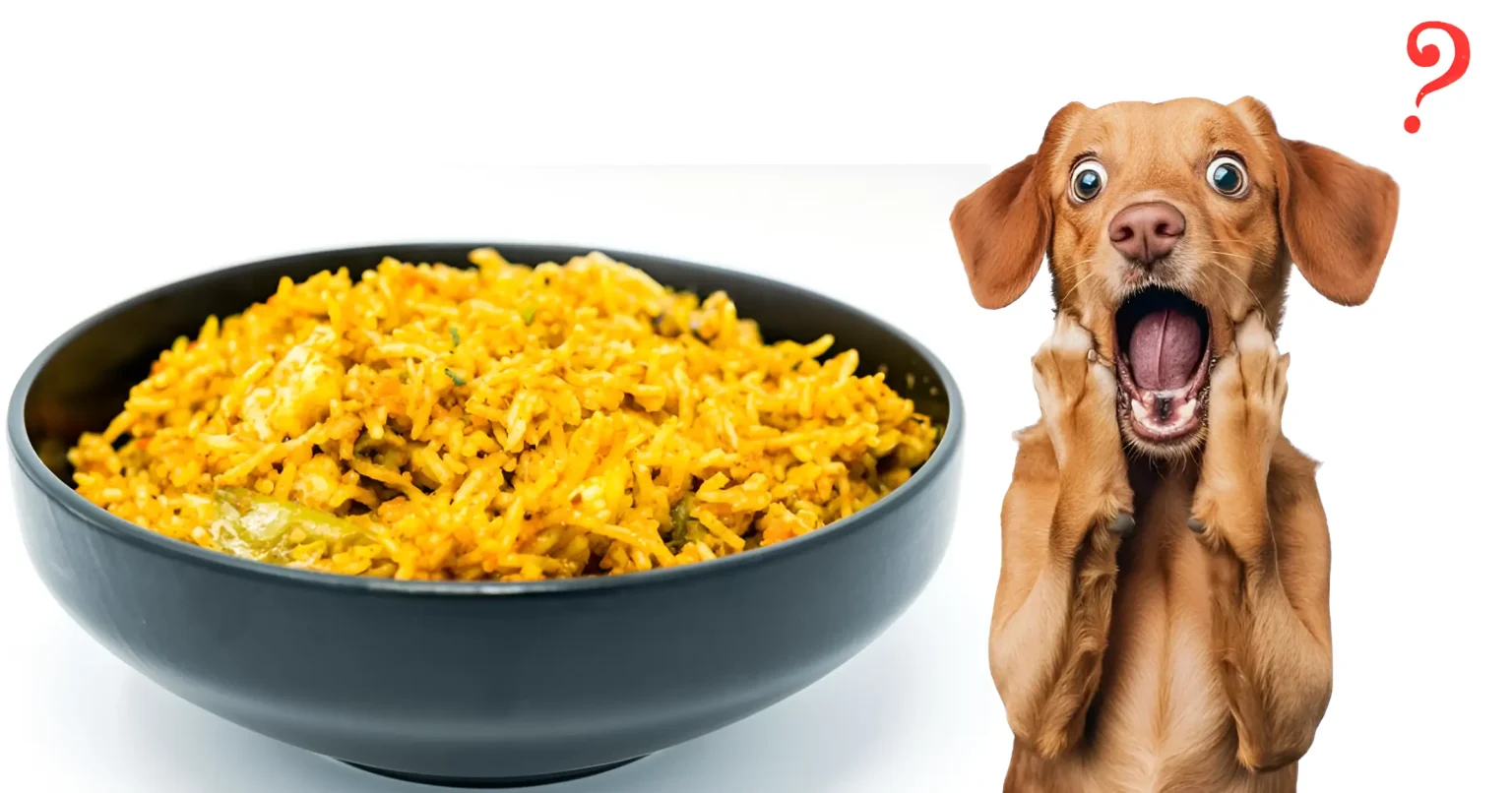
Can Dogs Have Yellow Rice? Feeding dogs can be both enjoyable and challenging, especially when considering the variety of foods humans consume daily. One such food is yellow rice—a flavorful, often seasoned dish enjoyed in many cultures. While it may be tempting to share a bite of this colorful dish with your dog, pet owners must understand whether yellow rice is safe for canine consumption and how it can affect their health.
Understanding a Dog’s Diet – Can Dogs Have Yellow Rice
Dogs are omnivores, which means their diet can include both animal and plant-based foods. However, dogs’ nutritional needs differ significantly from humans. A balanced canine diet requires:
- Protein: Essential for muscle development and overall health.
- Fats: Provide energy and support skin and coat health.
- Carbohydrates: Offer energy but should be carefully portioned.
- Vitamins and Minerals: Necessary for proper organ function and immune support.
While dogs can digest certain grains and vegetables, it’s crucial to ensure that any human food offered aligns with their dietary requirements and does not contain harmful ingredients.
What is Yellow Rice?
Yellow rice is typically white or brown rice cooked with turmeric, saffron, or other natural coloring agents, often combined with seasonings, vegetables, and sometimes broth. It is popular for its vibrant color and distinct flavor. Common ingredients in yellow rice include:
- Rice: The base, usually white or brown.
- Turmeric or Saffron: For color and flavor.
- Vegetables: Such as peas, carrots, or bell peppers.
- Spices: Garlic, onion, or paprika, depending on the recipe.
- Oil or Butter: For added richness.
- Broth or Stock: Sometimes used instead of water.
While plain rice is generally safe for dogs, additional ingredients may make yellow rice unsuitable depending on the preparation.
Is Yellow Rice Safe for Dogs?
Plain, cooked white or brown rice is safe and commonly used as a base in dog-friendly diets, especially for dogs with upset stomachs. Yellow rice, however, may pose risks depending on the spices and seasonings used.
Safe Components:
- Rice: Easily digestible and can provide energy.
- Plain Vegetables: Such as peas or carrots, which are safe in moderation.
- Turmeric: Contains anti-inflammatory properties and is generally safe in small amounts for dogs.
Potentially Harmful Components:
- Onion or Garlic: Toxic to dogs, causing gastrointestinal upset or red blood cell damage.
- Salt: High sodium levels can lead to dehydration, kidney issues, or sodium poisoning.
- Oil or Butter: Excess fat may cause pancreatitis in dogs prone to digestive issues.
- Other Spices: Some spices like paprika or chili can irritate a dog’s stomach.
Because yellow rice recipes vary widely, it is essential to know the ingredients before offering any portion to your dog.
Benefits of Plain Rice for Dogs
Rice, when prepared plainly without added seasonings, offers several benefits for dogs:
- Digestive Aid: Plain rice can help soothe upset stomachs and diarrhea.
- Energy Source: Provides carbohydrates for energy.
- Easily Digestible: Ideal for older dogs or those with sensitive digestive systems.
While plain rice can be beneficial, colored or heavily seasoned yellow rice should be offered with caution.
Risks of Feeding Yellow Rice to Dogs
Feeding yellow rice without considering its ingredients can pose several risks:
1. Gastrointestinal Issues
Spices, oils, and additives can lead to vomiting, diarrhea, or stomach upset. Even small amounts of garlic or onion can be toxic over time.
2. Obesity and Weight Gain
Rice is a carbohydrate-heavy food. While moderate amounts are fine, excessive consumption can contribute to weight gain, particularly in less active dogs.
3. Toxic Ingredients
Garlic and onions, sometimes used in yellow rice recipes, are toxic to dogs. They can cause anemia, lethargy, and other serious health issues.
4. Pancreatitis
High-fat additions like butter or oil can trigger pancreatitis, a severe condition requiring immediate veterinary attention. Symptoms include vomiting, abdominal pain, and lethargy.
How to Safely Feed Dogs Yellow Rice
If you want to give your dog a taste of yellow rice, follow these safety tips:
- Use Plain, Unseasoned Rice: Cook rice with water only, avoiding salt, butter, or spices.
- Add Dog-Safe Ingredients: Small amounts of cooked vegetables like carrots or peas are safe.
- Avoid Toxic Additions: Never include garlic, onion, or spicy seasonings.
- Serve in Moderation: Treat yellow rice as an occasional snack, not a staple.
- Monitor Your Dog: Watch for signs of upset stomach or allergic reactions.
By preparing yellow rice safely, you can offer a small treat without compromising your dog’s health.
Nutritional Considerations
While yellow rice can provide carbohydrates, dogs require a balanced diet that emphasizes protein and healthy fats. Overfeeding rice, even in safe forms, can lead to nutritional imbalance. Consider supplementing with:
- Lean Meats: Chicken, turkey, or fish for protein.
- Vegetables: Carrots, peas, and green beans for fiber and vitamins.
- Healthy Fats: Small amounts of fish oil or olive oil for coat and skin health.
Maintaining balance ensures your dog receives energy without overloading on carbs.
Homemade Dog-Friendly Yellow Rice Recipe
Here is a simple way to prepare yellow rice suitable for dogs:
Ingredients:
- ½ cup white or brown rice
- 1 cup water
- ¼ teaspoon turmeric (optional, for color and anti-inflammatory benefit)
- Small amount of cooked carrot or peas
Instructions:
- Rinse the rice thoroughly.
- Boil water and add rice.
- Reduce heat and simmer until rice is fully cooked.
- Add cooked vegetables and a pinch of turmeric if desired.
- Let cool before serving a small portion to your dog.
This approach allows your dog to enjoy the appearance and texture of yellow rice safely.
FAQs About Dogs and Yellow Rice
Q1: Can dogs eat yellow rice with spices?
A: No, spices like garlic, onion, or chili are unsafe and can harm your dog. Only plain, unseasoned rice is recommended.
Q2: Is turmeric safe for dogs?
A: In small amounts, turmeric is generally safe and may have anti-inflammatory benefits, but it should not be overused.
Q3: How often can dogs eat rice?
A: Rice should be an occasional supplement or used during digestive upset, not as a daily staple.
Q4: Can yellow rice cause pancreatitis in dogs?
A: Yes, rice cooked with excessive oil or butter can trigger pancreatitis in susceptible dogs.
Q5: What’s the safest way to serve yellow rice to dogs?
A: Serve plain, cooked rice with dog-safe vegetables, in small portions as an occasional treat.
Conclusion
Yellow rice can be a visually appealing and aromatic dish, but it is not inherently suitable for dogs due to the spices, salt, and fats often included in traditional recipes. While small, plain portions of cooked rice can be safe, pet owners should always prioritize their dog’s nutritional needs, avoid toxic ingredients, and monitor for any adverse reactions.
Offering dogs a balanced diet with protein-rich foods and carefully selected safe treats ensures their long-term health and wellbeing. Homemade, dog-friendly yellow rice prepared without harmful additives can be an occasional treat, allowing your pet to enjoy a new flavor safely.
In short, dogs can eat plain yellow rice in moderation, but it should never replace their nutritionally balanced meals. Proper preparation and awareness of ingredients are key to keeping your canine companion healthy and happy.
For More Visits: Animalsinfo
Also Read: Can Cats Eat Pepperoni? 7 Safe Tips for 2025