



Is Monstera Toxic to Cats? Learn How to Keep Your Cat Safe
As someone who loves both plant babies and fur babies, I’ve learned how easy it is to overlook the risks hiding in plain sight. Cats are curious by nature, and their naughtiness often leads them to chew or take a little nibble from your favorite houseplants. What many pet owners don’t realize is that even a small bite can cause serious health issues. Whether it’s a Monstera, a lily, or another toxic plant, the poisoning risk is more common than you might think, especially when pets follow their curiosity.
Is Monstera Toxic to Cats? From my own experience, I once had a dog and two cats who treated the living room like their own jungle. Our plant babies looked perfect, but they ended up causing unexpected injury and vet bills. Pet insurance companies like Southern Cross report plant-related claims every year, with costs starting at $150 for mild vomiting and sometimes going over $1,400 when something more major like a foreign body or ingestion is involved. In fact, they’ve paid out about $500,000 annually for pets who ate things they shouldn’t. Trust me, if your cat or dog is looking for something to chew, it’s likely they’ll choose the wrong part of a popular plant — sometimes more off than they can handle. When that happens, a quick visit to the vet can treat the problem, but prevention saves both your pet and your bills in the end. Some breeds, like Labradors, are even more prone to explore their world with their mouths, increasing the claim risk even further.
Is Monstera Toxic to Cats?
When I first brought home a beautiful monstera to brighten up my space, I had no idea it could pose a risk to my kitty. One day, I noticed her trying to take a tiny bite of a part of the plant—and within minutes, there was clear irritation in her mouth and throat. Thankfully, the effects started immediately, which seemed to discourage her from eating more. While monsteras aren’t exactly deadly, they can still cause discomfort for cats, dogs, and even humans if ingested.
The issue lies in how the plants react when eaten. They can irritate the stomach, lead to vomiting, and even cause drooling—but these symptoms usually pass unless a large amount is ingested. It’s rare for the situation to become serious, and a cat’s life typically isn’t in danger unless it eats large quantities. Still, being aware of what your pet might chew on is important.
Here’s what to keep in mind:
- Monsteras are toxic, but not usually deadly unless consumed in large quantities.
- Symptoms like vomiting, drooling, and irritation happen immediately after a bite.
- Keep the plant out of reach to discourage curious cats and dogs from eating it.
Houseplants That Could Harm Your Pet’s Health — Is Monstera Toxic to Cats?
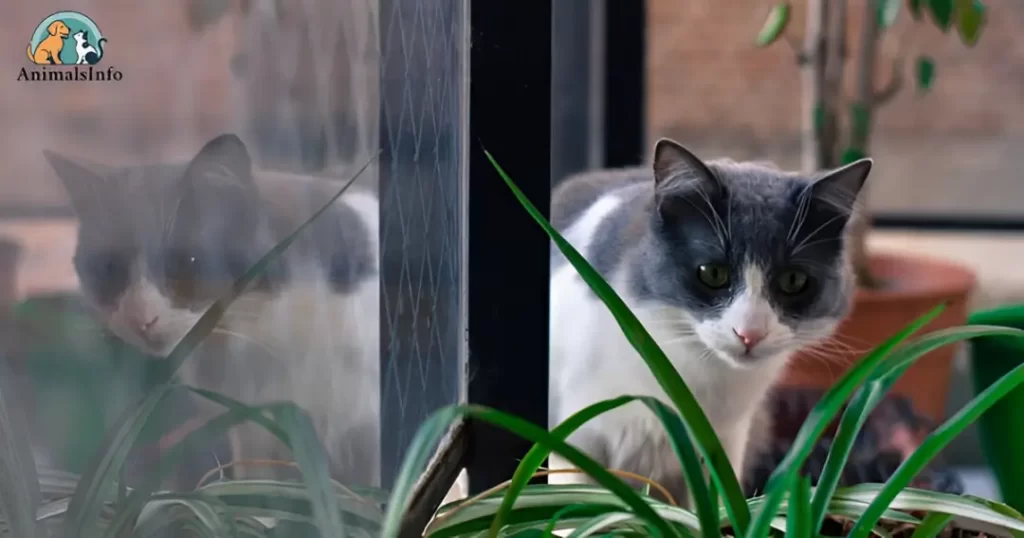
As someone who loves both lush houseplants and cuddly pets, I’ve learned the hard way that not everything green and pretty is safe indoors—especially when it comes to cats. My curious tabby once nibbled on a Swiss Cheese plant (monstera), and the result was a scary afternoon filled with vomiting, mouth swelling, and a frantic call to the Animal Poisons Helpline. These experiences taught me which plants can be silently dangerous and why being informed is crucial.
If your furry pet enjoys chewing on things or nibbling at leaves, you’ll want to avoid some of the more toxic options often found in stylish homes. Monsteras, like many philodendrons, contain insoluble calcium oxalates, which can cause intense burning, drooling, nausea, and difficulty swallowing in cats, also dogs eat? They may look luscious and jungle-inspired, perfect for your walls, terrariums, or that trendy potting mix, but these plants can be harmful if ingested.
Here are five dangerous houseplants that could make your pets seriously ill:
- Sago palm (cycas revoluta): Contains cycasin, a compound that can lead to liver failure, seizures, and even coma.
- Nerium oleander: Beautiful in a bouquet but deadly—this poisonous plant can cause vomiting, diarrhea, and organ failure in both humans and pets.
- Jade plants: A common succulent that can cause depression, vomiting, and incoordination in cats.
- Rubber tree: Popular in Australia for its air-purifying qualities, but it’s toxic and may cause swelling, oral irritation, and vomiting.
- Peace lilies and lilium family members: Often gifted in a bouquet, but their leaves, flowers, and oils are extremely poisonous to cats, leading to kidney failure.
If you’re ever worried that your cat has nibbled on something it shouldn’t, especially a plant like a money plant, ficus, or Mother-in-law’s Tongue (dracaena trifasciata), contact the Animal Poisons Helpline immediately. Trust me—no pretty plant is worth risking your pet’s life over, no matter how on-trend or practical it looks on your ceiling shelf.
Safer Greenery Picks for Pet-Loving Homes
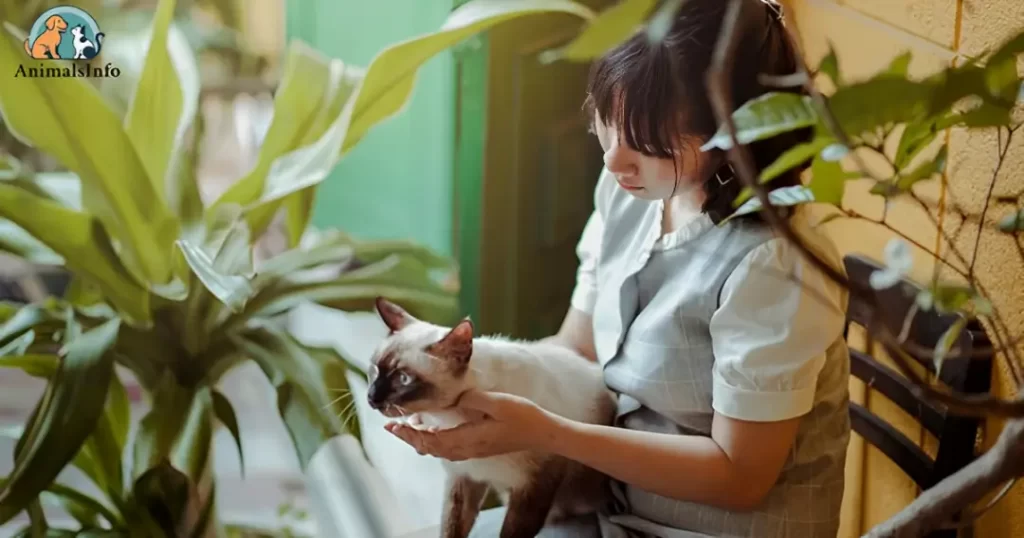
As someone who adores both indoor houseplants and my curious cats, I’ve learned to keep a close eye on what they might nibble. After a close call with a variegated monstera deliciosa, which caused mild mouth irritation in my pet, I shifted my focus toward plants that are truly safe. While the lush Instagram look of tropical greens is tempting, peace of mind matters more—especially when pets, like dogs and cats, tend to eat or chew leaves out of boredom or instinct.
Thankfully, not all houseplants are risky. I’ve curated a personal list of non-toxic, pet-friendly greens that still bring beauty to your space. Some, like spider plants and Boston ferns, are low maintenance and thrive in cozy corners. Others, such as cat grass (dactylis glomerata) and cat nip (nepeta cataria), are actually beneficial and support digestion. My dog even sniffs the moth orchids now and then, which are perfectly safe too!
Here are 5 safe options I trust around my pets:
- Hoya carnosa (wax plants) – hardy, beautiful, and perfectly safe to keep around
- Cat thyme (teucrium marum) – cats love to nibble, and it can aid digestion
- Chlorophytum comosum (spider plants) – easy to grow, even if they’re mildly hallucinogenic
- Boston ferns (nephrolepis exaltata) – classic houseplant, completely pet-friendly
- String of hearts (ceropegia) – dainty, trailing, and non–toxic for both cats and dogs
If your pets tend to explore and occasionally sample the greenery, these choices are your safest option. Don’t forget to check the names carefully when shopping—there are many lookalikes!
What Makes Monsteras Unsafe for Cats?
Many cat owners are surprised to learn that monsteras, while beautiful, can be harmful to their furry friends. The problem lies in the calcium oxalate crystals found in nearly all parts of the plant—from the leaves and stems to the roots, sap, and even the unripe fruit. These crystals are sharp, pointed, and act like tiny needles. When ingested, they can cause painful reactions in your cat’s mouth, throat, and digestive system, often getting embedded in the soft tissue. I’ve personally seen a cat react within minutes of chewing on a leaf—pawing at its mouth and refusing to eat afterward.
Although the ripe fruit of the monstera is considered safe for animals and even humans, the rest of the plant should be avoided. It’s believed these particles and crystals evolved to discourage being eaten, helping the plant disperse its seeds naturally via digestive systems. If you’re planning to prune your monstera or repot it, always wear gloves to avoid skin irritation, as the oxalate content can also bother your skin.
Here are a few key reasons monsteras aren’t ideal in pet-friendly homes:
- Calcium oxalate crystals in the plant can injure your cat’s mouth, throat, and digestive system
- The crystals are sharp enough to get embedded like needles in soft tissues
- Even handling the sap or leaves without gloves may irritate your skin
Symptoms of Calcium Oxalate Crystal Poisoning
If your cat has consumed any part of the monstera plant, you might notice some concerning warning signs right away. The most common symptoms include pawing at the mouth, face, or tongue due to irritation caused by the calcium oxalate crystals. As the crystals cause swelling in the mouth, lips, and throat, your cat may also have trouble breathing. In more severe cases, vomiting, drooling, and a lack of appetite can occur, signaling that the toxins are affecting their digestive system.
In extreme situations, calcium oxalate crystals can lead to internal damage like kidney problems, though this is rare since immediate irritation usually discourages pets from eating more of the plant. It’s important to act fast and seek veterinary care if you notice any of these symptoms, as large quantities of toxins can become dangerous for your cat’s overall health.
Key symptoms to watch out for:
- Swelling in the mouth, throat, or lips
- Drooling, vomiting, and loss of appetite
- Immediate irritation causing your cat to stop eating the plant
How to Stop Cats from Eating Monsteras
If you have a monstera plant at home and a curious cat, keeping your furry friend away from the plant can be challenging. Since cats are playful by nature and love to nibble on things, including vines and leaves, it’s important to find ways to keep your monstera safe from their attention. There are a few simple and effective methods to discourage your kitty from snacking on your plant:
- Place your monstera on high shelves or in hanging baskets out of your cat’s reach.
- Use cat-safe plants like Echeveria or rosemary to distract your kitty with plants they can safely enjoy.
- Spray your plant with a mixture of citrus or vinegar, which most cats dislike.
- Place pebbles, pine cones, or bark on top of the soil, making it uncomfortable for your cat to dig.
- Provide plenty of distractions like toys, catnip, and kitty TV to keep your cat entertained and away from your monstera.
By keeping your plant out of reach and offering plenty of safe alternatives, you can prevent your cat from developing a habit of eating your precious monster.
8 Houseplants to Avoid in Feline Friendly Homes
1. Aloe Vera
Aloe vera is a trendy plant, often seen for sale due to its medicinal properties for humans and its super cool look. However, it’s important to know that while aloe is loved for its healing abilities, it can be harmful to cats. The plant contains saponins and anthraquinones, substances that can cause vomiting, diarrhea, and lethargy in your feline friend if ingested. Although it’s easy to care for and popular as a tabletop plant, its toxic nature makes it a risky choice for homes with pets.
2. Pothos
Pothos, a low-maintenance and easy to care for plant, is often considered a popular house plant for both seasoned plant parents and beginners. Known for its vibrant greenery and trailing vine, this plant thrives in many indoor settings, often flourishing with minimal attention or plant neglect. However, it’s important to note that Pothos contains calcium oxalates, Is Monstera Toxic to Cats? making it toxic to cats. If a cat happens to ingest any part of the plant, it can lead to symptoms like vomiting, drooling, and mouth irritation. While Pothos is a stunning addition to your home, it is not a non-toxic safe alternative for homes with curious cats.
3. Monstera Deliciosa
Monstera Deliciosa is a popular house plant known for its tropical vibes and giant leaves, making it a beautiful addition to any home. However, this plant is toxic to cats. If your feline friend tries a sample of it, they might experience burning and inflammation in their mouth and lips, along with excessive drooling and vomiting. The culprit behind these symptoms is the presence of insoluble calcium oxalates, Is Monstera Toxic to Cats? which are highly toxic to cats. So, while the plant’s beauty might be tempting, it can cause your cat to come down with a lot of discomfort.
4. The Ficus Family (Most Commonly Fiddle Leaf Fig and Indian Rubber)
The Ficus family, which includes popular plants like the Fiddle Leaf Fig and Indian Rubber, is loved by many for its impressive plants and striking appearance. Often seen in the homes of PlantMom enthusiasts and interior decorators, these plants are well known for their beauty. Is Monstera Toxic to Cats? However, they also contain insoluble calcium oxalates that can be toxic to cats. These calcium oxalates can cause irritation and discomfort if ingested, much like the pesky effects of similar plants. Whether you are showcasing them on your gram or simply enjoying them in your living space, it’s essential to keep these plants out of reach of your feline friends to prevent unwanted issues. When cats try a sample, they may experience swelling, mouth inflammation, or even vomiting.
5. Sago Palm
Sago palms may look like a popular house plant, but they are actually liars—they aren’t even true palms! These slow-growing, tropical plants belong to the cycadaceae family and are highly toxic. If your cat (or dog, or kid) were to ingest any part of the plant, it could lead to serious damage. The toxin cycasin found in sago palms can cause vomiting, internal bleeding, and even liver damage. In some severe cases, it could even result in death. Always be cautious with this plant in your home, especially around curious pets.
6. Peace Lily: An Imposter in Disguise
If you’re a cat owner, you’ve probably heard that lilies are a huge no-grow in homes with pets. But what about the Peace Lily? Despite its name, this plant is an imposter and not a true lily. While it’s often thought to be safe for cats, it’s actually toxic. The Peace Lily contains insoluble calcium oxalates, the same harmful substance found in plants like the Sago Palm. These calcium oxalates can strike again, causing issues like mouth irritation or worse if your cat ingests any part of the plant. So, even though it might look like a harmless decorative plant, Peace Lily is definitely not a safe choice for a cat-friendly home. Always be aware of what your plants contain, as the scientific genus of this plant does not make it exempt from being dangerous to your furry friends.
7. Alocasia and Its Risks to Cats
Alocasias, also known as Elephant Ear, are popular houseplants known for their huge leaves and attractive features. These tropical plants grow quickly and come in various colors and varieties. However, much like Monstera Deliciosa, Fiddle Leaf Figs, and Indian Rubber plants, Alocasias contain insoluble calcium oxalates, making them toxic to cats. If a cat decides to chew on these plants, they may experience symptoms such as vomiting, swelling, and irritation in the mouth due to the toxins. While these plants are often grown both indoors and outdoors, their toxic nature makes it essential for pet owners to keep them out of reach from their furry friends.
8. Philodendrons
Philodendrons are popular houseplants that come in many varieties. However, regardless of the type, all plants in the philodendron family contain insoluble calcium oxalates, making them toxic to cats. If a cat ingests any part of a philodendron, it could experience symptoms like mouth irritation, drooling, and vomiting due to the calcium oxalates. It’s important for pet owners to know that these plants, although beautiful, can pose risks for your feline friends.
Conclusion
If you’re a cat owner, it’s important to keep monstera plants out of reach. They might be gorgeous and make your house look beautiful, but they can be toxic to cats. Fortunately, there are plenty of strategies to help you keep your cat away from the plant. You can try multiple approaches like using deterrents, keeping the litter clean, or giving your furry family members other things to play with. If one method doesn’t seem to work, just try another. Houseplants like monstera can make a home feel cozy, but it’s crucial to find the right balance between beauty and safety for your cat-friendly household. After all, there are many cat-friendly options available, so don’t feel like you have to bother with a monstera if it’s too difficult to manage!
Frequently Asked Questions (FAQ’s)
What happens if a cat eats a monstera?
If a cat eats a monstera, it may experience vomiting, drooling, and mouth irritation due to the plant’s calcium oxalates.
Is the monstera plant pet friendly?
No, monstera is toxic to cats and can cause health issues if ingested.
How do I keep my cat away from my monstera?
Try using deterrents, keeping the plant out of reach, and providing alternative toys to keep your cat occupied.
What is the most toxic plant to cats?
Some of the most toxic plants to cats include lilies, which can cause severe kidney damage.
Are snake plants toxic to cats?
Yes, snake plants are toxic to cats and can lead to symptoms like vomiting and lethargy if ingested.
Non-toxic plants for cats?
Some non-toxic plants for cats include spider plants, bamboo, and calathea.
Is pothos toxic to cats?
Yes, pothos is toxic to cats due to the presence of calcium oxalates, causing symptoms like vomiting and drooling.
Cat ate monstera leaf?
If a cat eats a monstera leaf, it may experience vomiting and mouth irritation. Contact a vet for advice.
Are ficus toxic to cats?
Yes, ficus plants contain calcium oxalates and can be harmful to cats if ingested.
For More Visits: AnimalsInfo
Also Read: Essex Middle River Vet | Compassionate Pet Care in Maryland


