

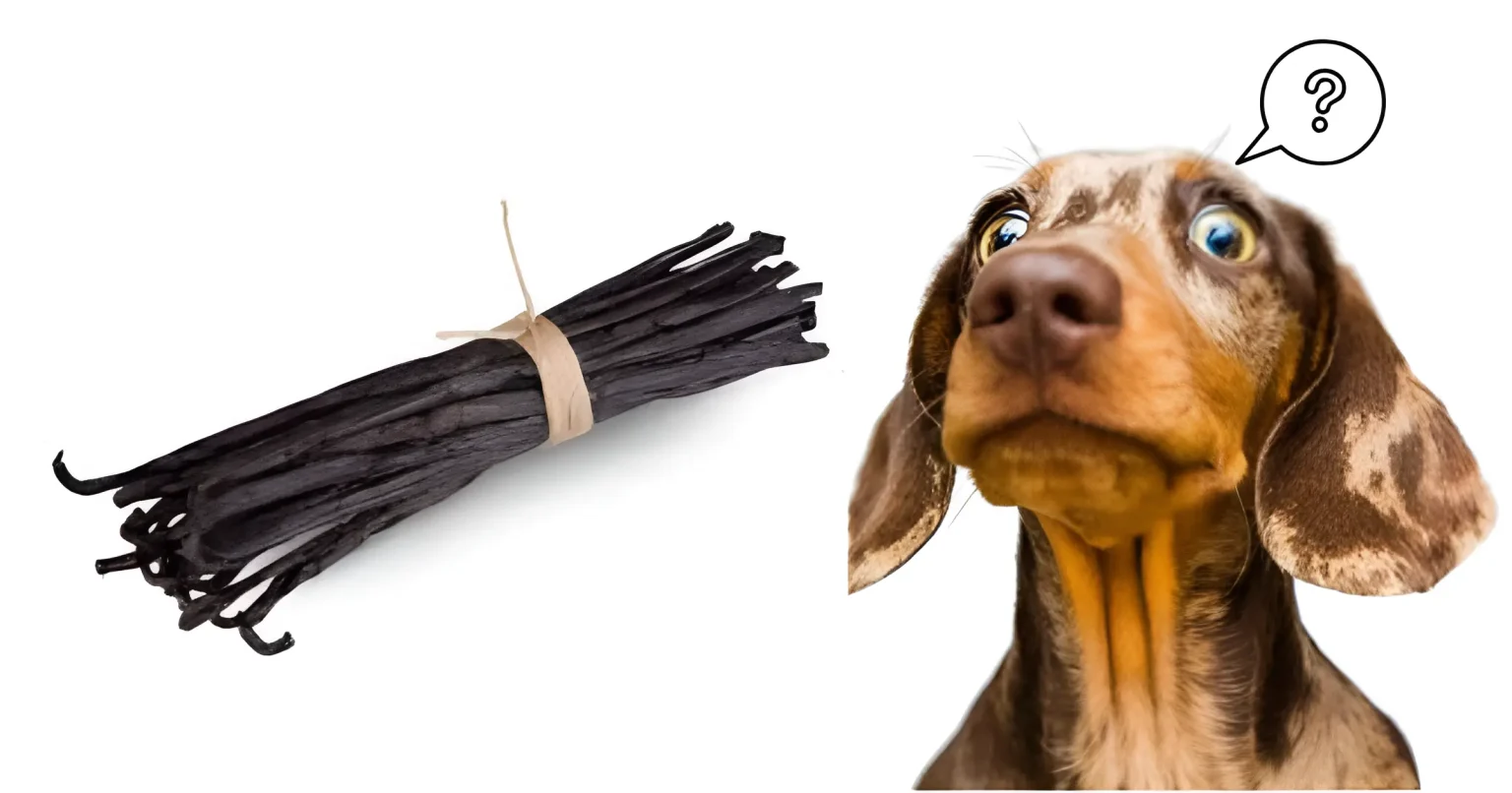
Before we discuss whether is vanilla bad for dogs, it’s important to understand what vanilla actually is. Vanilla is derived from the pods of the vanilla orchid, a tropical plant that produces fragrant beans used in cooking, baking, and making desserts. While humans love its rich aroma and flavor, not everything that’s safe for people is equally safe for pets. Dogs have very different digestive systems, and certain components of vanilla can be harmful to them.
There are multiple forms of vanilla — pure vanilla extract, imitation vanilla, and vanilla beans. Each version affects dogs differently, so knowing what type of vanilla you’re dealing with matters a lot when it comes to your dog’s health.
Why Vanilla Extract Can Be Dangerous for Dogs
When asking is vanilla bad for dogs, the biggest concern is vanilla extract. The extract is made by soaking vanilla beans in alcohol. This process releases flavor, but the resulting liquid contains around 35–40% alcohol — the same kind used in hard liquor. Even a small amount of alcohol can be toxic for dogs.
Dogs cannot metabolize alcohol efficiently. If a dog consumes vanilla extract, it can lead to alcohol poisoning. Symptoms may include vomiting, diarrhea, tremors, disorientation, and even seizures. The smaller the dog, the more dangerous even a tiny amount can be. This makes vanilla extract one of the unsafe ingredients commonly found in human foods that should never be shared with pets.
Is Imitation Vanilla Safer?
Another key point when discussing is vanilla bad for dogs is imitation vanilla. Many people assume it’s safer because it’s synthetic. However, imitation vanilla often contains propylene glycol, an additive that’s safe for humans but harmful to dogs in large quantities. Some imitation vanillas may also include artificial colors and sweeteners, which can irritate a dog’s digestive tract.
Although imitation vanilla typically contains less alcohol, it’s still not recommended for dogs. There is no nutritional value in giving your pet imitation vanilla, and the potential risks outweigh any perceived benefits.
Are Vanilla Beans Safe for Dogs?
Pure vanilla beans, in their raw form, are much safer than the extract. If your dog happens to chew a tiny piece of a vanilla bean, it likely won’t cause serious harm. However, the strong, bitter flavor of raw vanilla beans isn’t appealing to dogs. Moreover, the bean pods themselves can be tough and difficult to digest.
So, while vanilla beans aren’t toxic, they also don’t offer any health benefits. If you’re making homemade treats and want to add something aromatic, there are far better and safer ingredients than vanilla.
Is Vanilla Bad for Dogs in Ice Cream or Desserts?
One of the most common ways dogs are exposed to vanilla is through desserts, especially vanilla ice cream or cake. So, is vanilla bad for dogs when it’s part of a dessert? The answer is yes — primarily because of what comes with it. Ice cream contains sugar, milk, and fats that are not good for dogs. Many dogs are lactose intolerant, so dairy-based treats can lead to gas, bloating, or diarrhea.
Cakes or cookies flavored with vanilla often include ingredients like butter, sugar, and sometimes chocolate — all of which are harmful to dogs. Even if the dessert has just a small amount of vanilla, the other ingredients make it a poor choice for your pet.
Safer Flavor Alternatives for Dogs
If you’re asking is vanilla bad for dogs because you want to add flavor to your pet’s homemade treats, there are much safer options. Fruits like bananas, apples, or blueberries can add sweetness naturally. You can also use ingredients like unsweetened pumpkin puree or peanut butter (without xylitol). These options not only provide flavor but also offer nutritional value, including fiber and vitamins.
Vanilla doesn’t add any nutritional benefits to a dog’s diet. Instead of focusing on flavor for your pet, it’s best to keep their meals simple, natural, and balanced with proteins, vegetables, and safe fruits.
What Happens If a Dog Eats Vanilla Extract?
If you suspect your dog has accidentally consumed vanilla extract, take the situation seriously. Even a few teaspoons can lead to alcohol poisoning, especially in smaller breeds. Look out for signs such as vomiting, drooling, trembling, lethargy, or difficulty walking. These are clear indications that your dog may need immediate veterinary care.
When this happens, contact your vet or an emergency pet clinic immediately. Do not try to treat your dog at home unless instructed by a professional. Timely treatment can prevent serious complications and ensure your dog’s recovery.
Is Vanilla Bad for Dogs Long-Term?
The occasional tiny lick of something flavored with vanilla might not cause major harm, but repeated exposure can lead to digestive irritation or toxicity buildup. Consistently allowing your dog to consume foods containing vanilla extract, alcohol, or sugar can also contribute to obesity and other long-term health issues.
So yes, when considering is vanilla bad for dogs in the long run, the answer remains a solid yes — it’s not suitable for their health, even in small amounts.
The Role of Alcohol in Vanilla Toxicity
The main reason vanilla extract is unsafe comes down to its alcohol base. Dogs process alcohol differently than humans. What feels harmless to you can be lethal to them. For instance, one tablespoon of vanilla extract contains enough alcohol to cause poisoning in small dogs.
When dogs ingest alcohol, it depresses their central nervous system. Their blood sugar drops quickly, leading to weakness, seizures, or even coma. This is why pet-safe recipes specifically avoid extracts or alcohol-based flavorings altogether.
How to Make Vanilla-Flavored Dog Treats Safely
If you want to give your dog a hint of vanilla aroma, use vanilla powder instead of extract. Vanilla powder is made from dried vanilla beans and contains no alcohol. However, it should still be used sparingly. Mix it into homemade dog biscuits with ingredients like oats, eggs, and peanut butter to create a mild scent without any toxic effects.
Remember, the goal isn’t to make treats taste like human desserts but to keep them appealing and safe for your dog. Always double-check ingredient labels when purchasing baking supplies.
How to Prevent Vanilla Ingestion Accidents
Curiosity often gets dogs into trouble. To prevent accidents, store vanilla extract, imitation vanilla, and all desserts in cabinets or containers your dog cannot access. Wipe counters clean after baking, and don’t leave mixing bowls unattended.
It’s also wise to educate family members, especially children, not to share desserts or leftover batter with pets. Prevention is the easiest way to keep your dog healthy and safe from accidental poisoning.
FAQs About Is Vanilla Bad for Dogs
Can dogs eat vanilla yogurt?
Most vanilla yogurts contain sugar or artificial sweeteners, so it’s not recommended. Stick to plain, unsweetened yogurt if you want to share some with your pet.
Can vanilla make dogs sick?
Yes, especially if it’s vanilla extract. The alcohol and additives can cause vomiting, diarrhea, or more serious symptoms.
Can dogs have vanilla-flavored treats?
Only if they are made specifically for dogs using alcohol-free flavoring. Avoid giving human desserts or snacks.
Is vanilla bad for dogs in small amounts?
A very small amount might not cause harm, but regular exposure is risky and unnecessary for a dog’s diet.
What should I do if my dog eats vanilla cake?
Monitor for symptoms like vomiting or lethargy and call your vet immediately. The sugar, fats, and possible alcohol content can all cause issues.
Final Thoughts
So, is vanilla bad for dogs? The answer is yes — especially when it comes to vanilla extract or processed foods containing it. Vanilla might be harmless to humans, but for dogs, it’s a potential toxin due to its alcohol content and artificial additives.
If you want to treat your dog, choose simple, natural ingredients instead of flavored desserts. Vanilla extract offers no nutritional benefits and poses unnecessary risks. Keeping your dog’s diet clean and alcohol-free ensures better digestion, energy, and long-term health.
Always remember — when in doubt, consult your vet before introducing any new flavor or ingredient into your dog’s meals. After all, a healthy dog is a happy dog, and avoiding risky ingredients like vanilla is an important part of responsible pet care.
For More Visits: Animalsinfo
Also Read: Can Dogs Eat Green Peppers? 7 Amazing 2025 Health Facts