


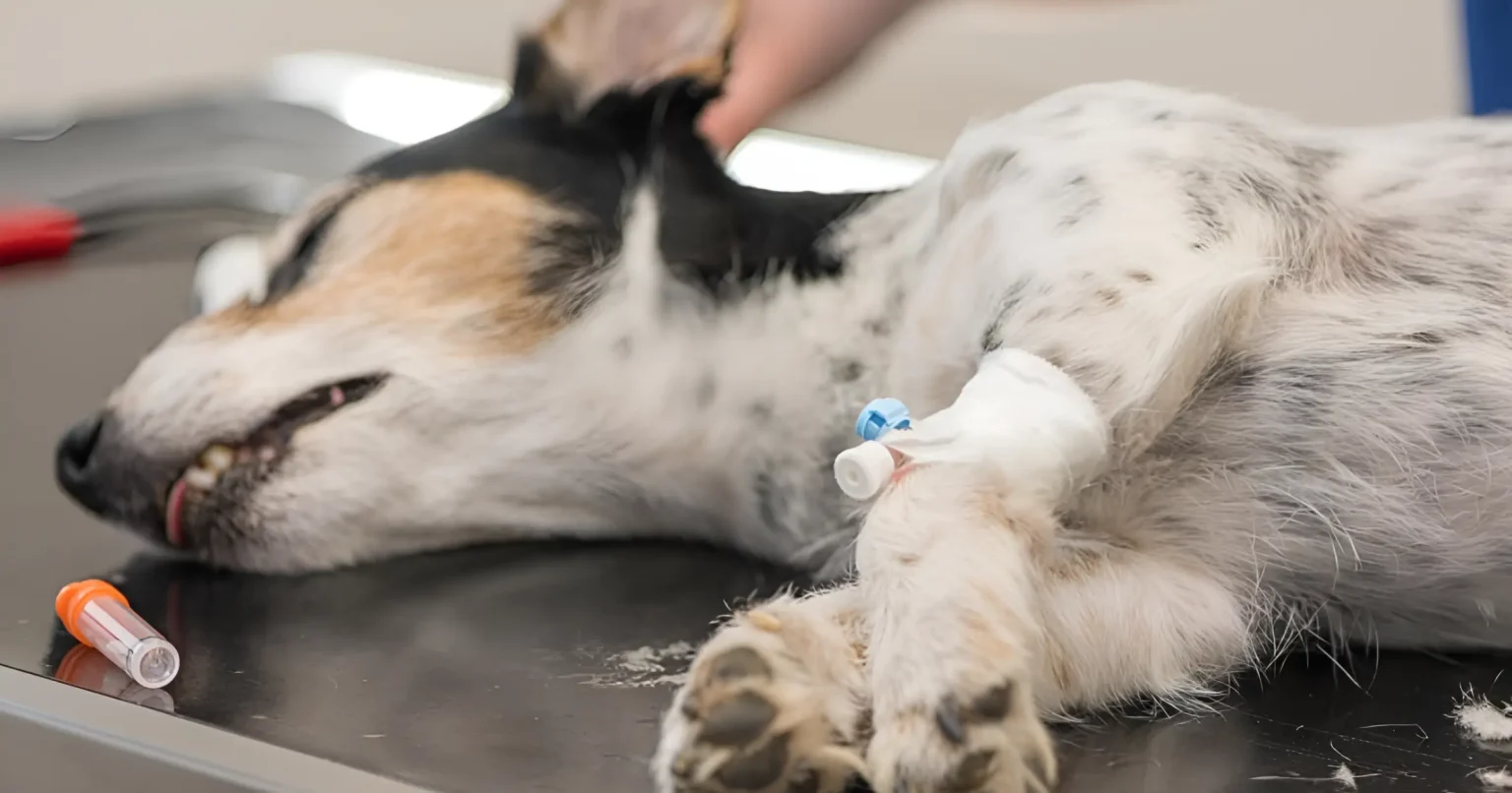
Anesthesia is a common and essential part of veterinary care. Whether a dog is undergoing surgery, dental cleaning, X-rays, or emergency treatment, anesthesia helps keep them pain-free and still during procedures. While modern veterinary anesthesia is generally safe, complications can occur. One of the most serious — although rare — complications is an anesthesia overdose.
For dog owners, the idea of anesthesia can be frightening. Seeing your dog limp, unconscious, or behaving differently after a procedure can raise concerns, especially if you’re unsure what’s normal and what might indicate a problem. That’s why understanding the signs of anesthesia overdose in dogs is crucial. While overdose is uncommon, recognizing symptoms early can save your dog’s life.
This article explains everything in clear, simple language: what overdose means, why it happens, symptoms to watch for, and what to do if you suspect it. This is not medical advice, but a knowledge guide to help you stay alert and informed.
1. What Is an Anesthesia Overdose in Dogs?
An anesthesia overdose occurs when a dog receives more anesthetic than their body can safely process, leading to harmful effects on the:
- central nervous system
- heart
- lungs
- liver
- kidneys
- circulation
An overdose does not always mean a mistake was made. It can happen for several reasons, including reactions, unknown sensitivities, or underlying health conditions.
Anesthesia affects every dog differently, depending on:
- age
- weight
- breed
- metabolism
- organ health
- medications
- stress levels
- genetic factors
This is why veterinarians carefully monitor dogs during and after administration, adjusting doses and equipment continuously.
2. Why Does Anesthesia Overdose Happen?
An overdose is usually caused by one of the following factors:
A. Incorrect dosage
Very rare, but miscalculation of weight or metabolism can lead to too much anesthetic.
B. Poor organ function
Dogs with weak liver or kidneys cannot process anesthesia efficiently, causing it to accumulate in the bloodstream.
C. Breed sensitivity
Some dogs — especially sighthounds and brachycephalic breeds — react differently to anesthesia.
D. Medication interactions
Certain medications amplify the effects of anesthesia, causing stronger sedation than expected.
E. Equipment malfunction
Issues with gas flow, oxygen delivery, or monitoring devices can lead to unregulated anesthesia levels.
F. Pre-existing illness
Hidden heart or respiratory disease may cause a dog to poorly tolerate anesthesia even at normal doses.
G. Individual sensitivity
Some dogs simply have unpredictable reactions to sedatives or anesthetic drugs.
3. Normal Post-Anesthesia Behavior vs. Overdose Symptoms
Not all unusual behaviors after anesthesia are signs of overdose. It’s normal for dogs to experience:
- grogginess
- wobbly walking
- disorientation
- slow blinking
- whining
- mild nausea
- temporary low energy
These effects usually improve within 6–24 hours.
However, an overdose causes more severe, prolonged, or dangerous symptoms that do not fade with time. Below are the key signs.
4. Major Signs of Anesthesia Overdose in Dogs
1. Slow or Stopped Breathing
One of the most serious signs is respiratory depression. Symptoms include:
- extremely shallow breathing
- long pauses between breaths
- gasping
- bluish gums
- collapse
When anesthesia levels are too high, the nervous system cannot signal the lungs to breathe properly.
2. Very Slow Heart Rate
An overdose often affects the cardiovascular system. Watch for:
- weak pulse
- extremely slow heartbeat
- fainting
- cold extremities
In severe cases, this can lead to cardiac arrest.
3. Abnormally Low Body Temperature
Anesthetics reduce body temperature, but an overdose may cause:
- cold skin
- shivering
- pale or gray gums
- temperature below normal (below 99°F)
Hypothermia becomes dangerous very quickly.
4. Failure to Wake Up
While grogginess is normal, the dog should gradually become more alert.
Concerning signs include:
- unconsciousness lasting too long
- inability to lift head
- no response to voice or touch
- limp body that doesn’t react
If your dog remains unresponsive hours after the procedure, it may indicate excessive anesthetic in the system.
5. Uncontrolled Vomiting or Choking
Dogs recovering from anesthesia should not be vomiting repeatedly. Overdose may cause:
- repeated vomiting
- gagging
- choking
- drooling excessively
- inability to swallow
Vomiting under deep sedation is especially dangerous because dogs can aspirate vomit into the lungs.
6. Seizures or Tremors
Overdose can lead to neurological problems, including:
- twitching
- trembling
- seizures
- rigid muscles
- sudden jerking movements
These signs demand immediate emergency attention.
7. Extremely Low Blood Pressure
Since anesthesia relaxes blood vessels, too much of it leads to:
- collapse
- weakness
- dizziness
- pale gums
Severely low blood pressure is life-threatening.
8. Blue, Pale, or Gray Gums
Gum color reveals oxygen and circulation levels. An overdose may cause:
- purple gums
- blue tongue
- white or pale gums
- darkened mucous membranes
This indicates poor oxygenation or poor heart function.
9. Uncontrolled Bleeding
Rare but possible if the overdose involves certain drugs. Signs include:
- bleeding from nose
- bleeding from incision
- bruising
- blood in urine or stool
This happens when blood cannot clot properly due to anesthetic effects.
10. Irregular Heartbeat
Some overdoses disrupt heart rhythm. Watch for:
- sudden weakness
- collapsing
- heart racing then slowing
- erratic beat pattern
This needs emergency intervention.
11. Swollen Tongue or Airway
Some dogs have allergic reactions to anesthesia. Symptoms may include:
- swollen face
- swollen tongue
- difficulty breathing
- wheezing
This is less common but very dangerous.
12. Mental Confusion That Doesn’t Improve
After anesthesia, mild confusion is normal. But if your dog displays:
- hallucination-like behavior
- panic
- inability to recognize family
- nonstop pacing
- aggression
…and this lasts longer than expected, overdose or neurological side effects may be the cause.
5. How Soon Do Symptoms of Anesthesia Overdose Appear?
Symptoms can appear:
- immediately during the procedure
- shortly after waking up
- hours after coming home (if the drug continues circulating)
Some dogs may look okay at first, then deteriorate as the anesthetic wears off improperly.
This is why post-operative monitoring is important.
6. Risk Factors That Make Overdose More Likely
Certain dogs have a higher risk of anesthesia complications:
1. Senior dogs
Slower metabolism, weaker organs.
2. Puppies
Sensitive bodies, inaccurate dosing risk.
3. Dogs with heart disease
4. Dogs with kidney or liver problems
5. Overweight or obese dogs
6. Very thin dogs
7. Brachycephalic breeds
Bulldogs, Pugs, Shih Tzus — breathing issues increase risk.
8. Sighthounds
Greyhounds and Whippets metabolize some anesthetics differently.
9. Dogs on medication
Interactions can intensify anesthesia.
Understanding your dog’s risk can help you and the vet prepare better.
7. What to Do If You Suspect Your Dog Is Experiencing an Anesthesia Overdose
Act fast. Overdose symptoms are medical emergencies.
Here’s what you should do:
1. Contact the veterinarian immediately
Explain exactly what symptoms you see.
2. If clinic is closed, go to an emergency animal hospital
Do not wait. Time is critical when breathing or circulation is affected.
3. Keep your dog warm
Low body temperature is common after overdose.
4. Keep your dog’s head elevated if vomiting
This helps prevent aspiration.
5. Stay calm
Stress can worsen your dog’s breathing.
Veterinarians can administer:
- oxygen therapy
- IV fluids
- reversal drugs
- warming systems
- breathing support
- heart monitoring
- blood pressure stabilization
Quick treatment significantly improves survival chances.
8. How Veterinarians Prevent Anesthesia Overdose
Modern veterinary care uses multiple safeguards including:
- pre-anesthetic bloodwork
- weight-based dosage calculations
- heart and oxygen monitors
- controlled drug delivery devices
- trained technicians who monitor throughout
- recovery room supervision
Overdose is rare because veterinarians are trained to prevent it.
Conclusion
Anesthesia is an important tool in veterinary medicine, and most dogs undergo it safely. However, being aware of the signs of anesthesia overdose in dogs can help dog owners recognize when something is wrong. Symptoms like slow breathing, low heart rate, pale gums, prolonged unconsciousness, seizures, or inability to wake up normally should never be ignored.
As a pet owner, your awareness and quick response can make all the difference. If you ever feel that your dog isn’t recovering normally, trust your instincts and seek emergency veterinary help right away.
For More Visits: Animalsinfo
Also Read: Why Does My Cat Lick My Face? 7 Sweet Reasons 2025 Guide