


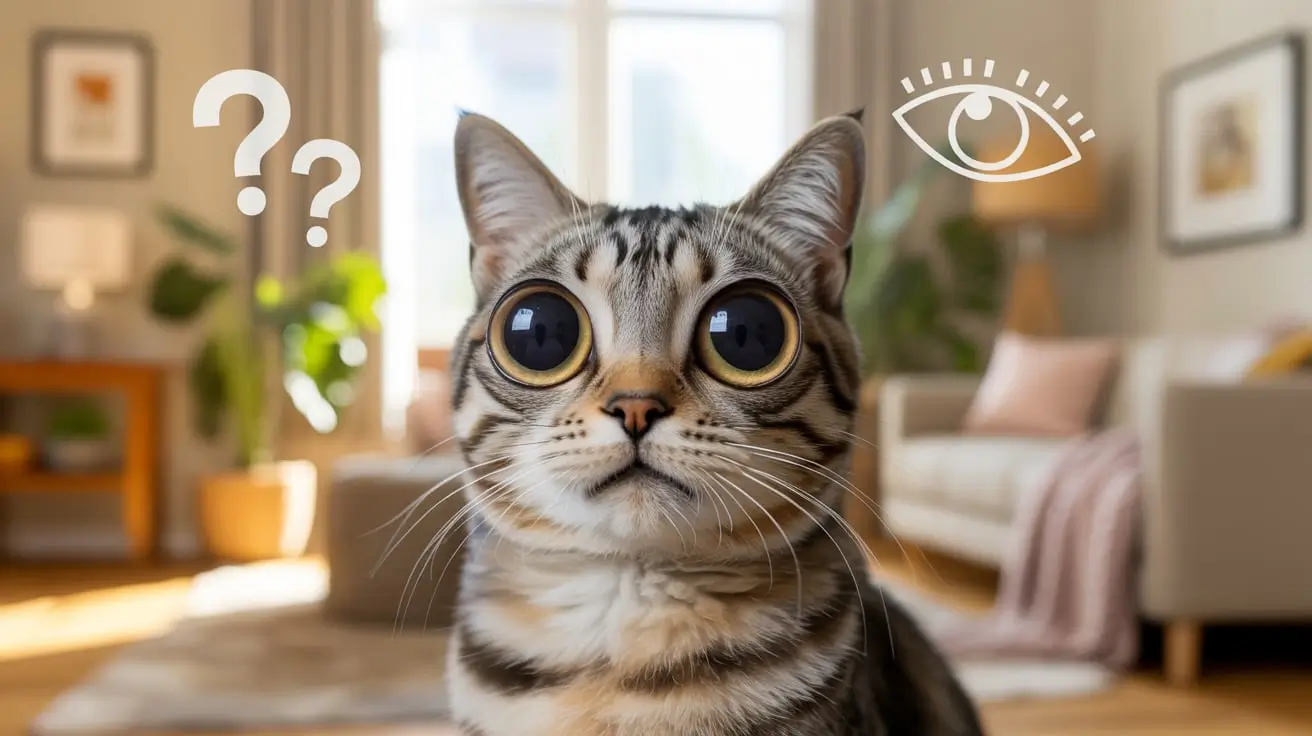
If you’ve noticed that your cat’s eyes are constantly wide and dilated, it’s natural to be concerned. Cats’ eyes are incredibly expressive — they can reveal emotions, health issues, and even environmental responses. But when the pupils stay large all the time, it can indicate something beyond normal curiosity or low light. Understanding why are my cats eyes always dilated can help you determine whether it’s a harmless reaction or a sign of an underlying problem.
How a Cat’s Eyes Normally Work
A cat’s pupils adjust to control how much light enters their eyes, just like in humans. In bright light, pupils constrict into thin slits to protect the retina. In dim light, they dilate widely to allow more light in, helping cats see better at night.
However, if your cat’s pupils stay enlarged constantly — regardless of lighting — it could signal anything from excitement and fear to pain or illness. Knowing what’s normal versus abnormal dilation is the first step toward understanding why are my cats eyes always dilated.
Common Reasons Why Your Cat’s Eyes Are Always Dilated
When a cat’s eyes remain dilated, it can be due to several causes — some harmless, others requiring medical attention.
1. Low Light or Environmental Changes
The simplest explanation is lighting. Cats’ eyes are highly sensitive to their surroundings. In a dimly lit room, even mild darkness will trigger wide pupils. If you notice dilation mainly at night or in shaded areas, there’s likely no cause for concern.
However, if the dilation continues even under bright light, it’s worth exploring other possible reasons for why are my cats eyes always dilated.
2. Excitement or Curiosity
Cats often dilate their pupils when they’re alert, excited, or playful. During moments of stimulation — like chasing toys or spotting prey — the eyes widen to take in more of their surroundings.
This is a temporary reaction that goes back to normal once your cat calms down. But if your cat’s eyes are always dilated, even in calm moments, excitement isn’t the main cause.
3. Fear or Stress
Fear and anxiety trigger the body’s “fight or flight” response, releasing adrenaline and causing the pupils to expand. If your cat feels threatened, stressed, or startled often, their eyes might stay dilated longer than usual.
You might also notice other signs such as hiding, tail twitching, or flattened ears. Chronic stress can make dilation a frequent occurrence — another possible reason why are my cats eyes always dilated.
4. Pain or Discomfort
Cats tend to hide pain, but their eyes can give clues. Constantly dilated pupils can indicate discomfort or physical pain. This could stem from internal injury, dental problems, or general illness.
If your cat’s pupils remain large along with lethargy, lack of appetite, or changes in grooming habits, it’s best to consult a veterinarian immediately.
5. Vision Problems or Blindness
Persistent dilation may suggest an eye-related issue like retinal disease, optic nerve damage, or blindness. When the retina or optic nerve fails to process light correctly, the pupils remain large regardless of lighting conditions.
If your cat bumps into furniture, hesitates to jump, or appears disoriented in familiar areas, this could explain why are my cats eyes always dilated. Vision tests performed by a vet can confirm whether your cat’s eyesight is affected.
6. High Blood Pressure (Hypertension)
Feline hypertension is a serious condition that can cause permanent eye damage. One of the earliest warning signs is constant pupil dilation. High blood pressure can result from other health issues such as kidney disease or hyperthyroidism.
If untreated, hypertension may lead to blindness or organ damage. A veterinarian can check your cat’s blood pressure and prescribe medications to control it.
7. Neurological Disorders
Sometimes, the problem isn’t the eyes at all but the brain’s response to visual stimuli. Conditions affecting the nervous system — such as brain trauma, inflammation, or tumors — can interfere with normal pupil reactions.
In these cases, you might also observe unusual behaviors like head tilting, walking in circles, or lack of coordination. This serious condition demands immediate veterinary attention to diagnose why are my cats eyes always dilated.
8. Medication or Toxin Exposure
Certain medications, such as those used for pain relief or allergies, can cause temporary dilation as a side effect. Exposure to toxic plants or chemicals may also result in neurological symptoms, including enlarged pupils.
If your cat’s eyes became dilated suddenly after starting a new medication or after possible toxin exposure, contact your vet right away.
9. Hyperthyroidism
Older cats often develop an overactive thyroid gland, which increases heart rate and metabolism. This condition can cause dilated pupils, restlessness, excessive hunger, and weight loss.
A vet can perform blood tests to confirm hyperthyroidism and provide proper treatment. It’s one of the more common medical explanations for why are my cats eyes always dilated.
10. Aging and Cognitive Decline
Senior cats sometimes experience cognitive dysfunction, similar to dementia in humans. In such cases, they may show disorientation, confusion, and irregular eye responses. Constantly dilated pupils could be a symptom of age-related decline, requiring specialized care and comfort.
What to Do If Your Cat’s Eyes Are Always Dilated
If your cat’s pupils stay wide most of the time, don’t ignore it — especially if you notice behavioral or physical changes. Here’s what you can do:
- Observe closely: Take note of when dilation occurs — day or night, during play, or at rest.
- Check lighting: Make sure your observations aren’t just due to dim lighting.
- Watch for other symptoms: Loss of appetite, lethargy, or clumsiness may indicate illness.
- Visit the vet: Persistent dilation requires a thorough examination, including eye and blood tests.
A veterinarian can diagnose the root cause of why are my cats eyes always dilated and recommend the right treatment.
When to See a Vet Immediately
Seek urgent veterinary attention if your cat shows any of these symptoms alongside dilated pupils:
- Sudden blindness or bumping into things
- Uneven pupils (one large, one small)
- Seizures or twitching
- Lethargy and vomiting
- Rapid weight loss
These could signal serious conditions like neurological damage, hypertension, or poisoning. Early treatment can prevent lasting harm.
How to Keep Your Cat’s Eyes Healthy
To help prevent eye-related issues and reduce the chances of constant dilation:
- Schedule regular vet check-ups (especially for senior cats).
- Keep toxic plants, chemicals, and unsafe medications out of reach.
- Maintain a stress-free environment for your cat.
- Provide balanced nutrition and plenty of water.
- Monitor any sudden behavioral or physical changes.
Healthy eyes reflect a healthy cat. Paying attention to subtle signs ensures your feline friend stays comfortable and happy.
FAQs About Cat Eye Dilation
Q1. Why are my cat’s eyes always dilated even in bright light?
Constant dilation in bright light often signals a health issue like hypertension or vision loss. Schedule a vet visit immediately.
Q2. Can emotions make a cat’s eyes dilate?
Yes. Excitement, fear, or curiosity can temporarily enlarge pupils. But if it’s constant, medical causes should be ruled out.
Q3. Is it normal for older cats to have dilated pupils?
Older cats may experience permanent dilation due to aging eyes or cognitive dysfunction. It’s best to consult your vet for assessment.
Q4. Can pain cause dilated pupils in cats?
Yes, pain or discomfort triggers a physiological stress response, leading to dilation.
Q5. Can bright lights damage my cat’s eyes if they stay dilated?
Yes, constant dilation can make eyes more sensitive to light, so it’s important to identify and treat the cause early.
Final Thoughts
If you’ve been wondering why are my cats eyes always dilated, remember that while it can be a natural reaction to light or emotion, persistent dilation is often a red flag. From pain and stress to neurological or vision problems, the causes vary widely. The safest approach is to have your cat examined by a veterinarian who can determine the exact reason and provide the right care.
Your cat’s eyes are windows to their health — and by paying attention to them, you’re giving your feline companion the best chance at a long, healthy life.
For More Visits: Animalsinfo
Also Read: Does Lysol Kill Fleas Effectively in 2025?