


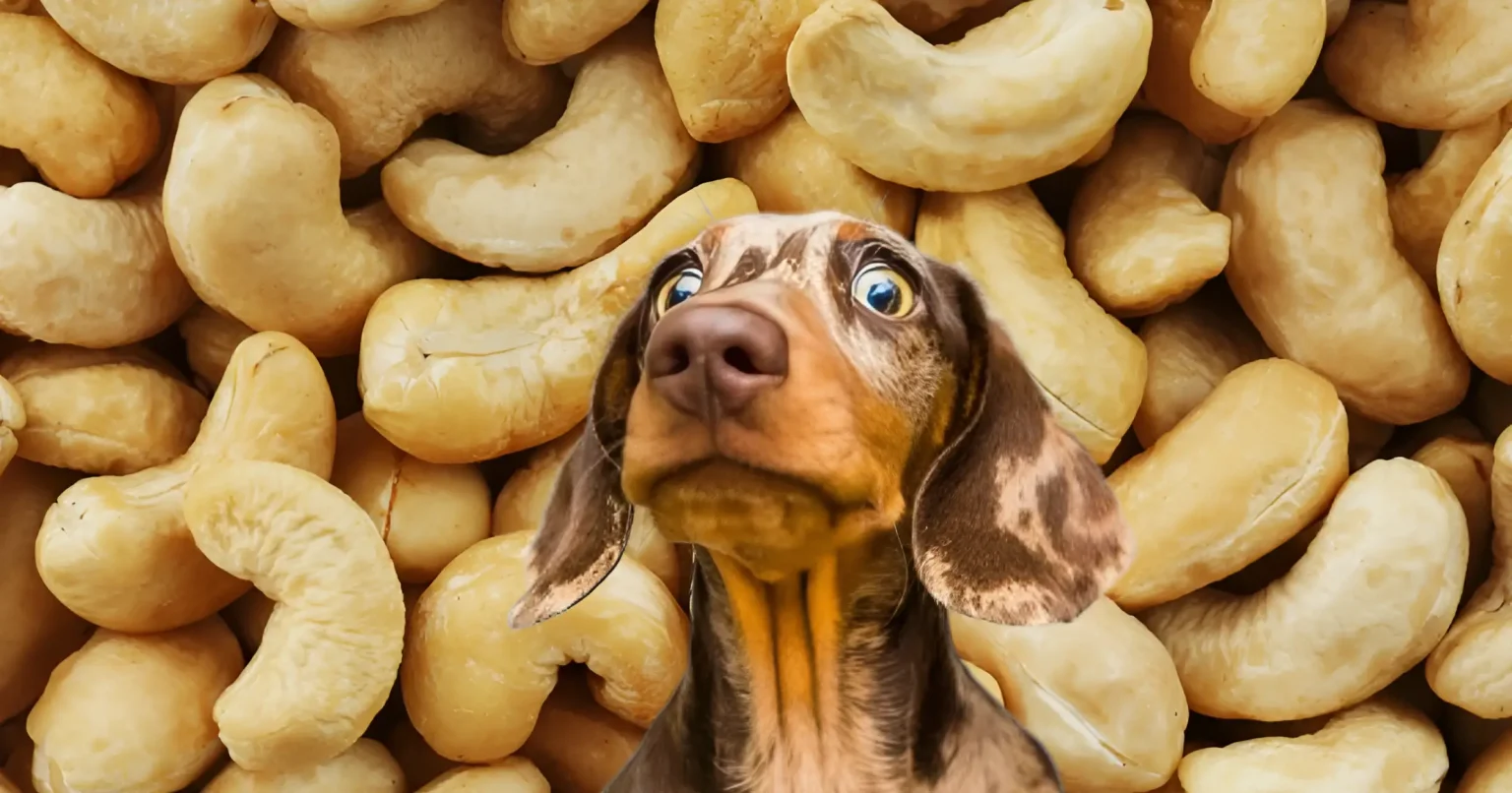
When you’re enjoying a handful of cashews, it’s natural to wonder — are cashews bad for dogs? Many pet owners love to share snacks with their furry companions, but not all human foods are safe for dogs. While cashews might seem harmless, it’s important to understand that dogs process nuts differently than humans do.
Are cashews bad for dogs? Let’s break down whether cashews are safe for dogs, their benefits and risks, and how to handle it if your pup eats too many.
Can Dogs Eat Cashews?
Are cashews bad for dogs? The short answer: Yes, dogs can eat cashews — but only in moderation and under specific conditions.
Cashews are not toxic to dogs like macadamia nuts or walnuts, but they’re very high in fat, which can cause digestive problems or long-term health issues if given frequently.
If your dog eats a small, unsalted and unseasoned cashew, it’s generally safe. However, feeding them too many can lead to problems like pancreatitis, obesity, and stomach upset.
So, while cashews aren’t necessarily “bad,” they’re not ideal for regular snacking either.
Why Cashews Can Be Risky for Dogs
Here’s why cashews should only be an occasional treat and not a staple in your dog’s diet:
1. High Fat Content
Cashews contain healthy fats for humans, but dogs can’t handle too much fat. Eating too many can lead to pancreatitis, an inflammation of the pancreas that causes vomiting, abdominal pain, and lethargy.
2. Risk of Obesity
Cashews are calorie-dense. Even a small handful for a human can equal a meal-sized calorie count for a small dog. Regularly feeding fatty snacks like cashews can lead to weight gain and obesity-related health problems.
3. Salt and Seasoning Dangers
Most store-bought cashews are salted or flavored with ingredients like garlic, onion, or pepper — all of which can be toxic to dogs. Even light seasoning can irritate your dog’s stomach and damage red blood cells over time.
4. Choking Hazard
Cashews are relatively large and hard. Small dogs or puppies may choke on them if they’re not broken down properly.
5. Allergic Reactions
Although rare, some dogs may have nut allergies, resulting in itching, swelling, or digestive upset. Always introduce new foods slowly and watch for reactions.
Are Cashews Ever Good for Dogs?
While they’re risky in large quantities, cashews do contain some nutrients that can benefit dogs — but only in tiny amounts and when served correctly.
- Protein: Supports muscle repair and energy.
- Magnesium: Helps maintain strong bones and heart health.
- Omega-6 fatty acids: Aid in maintaining healthy skin and a shiny coat.
However, your dog already gets these nutrients from their regular food. So, there’s no real need to add cashews to their diet — the risks outweigh the benefits.
How Many Cashews Can Dogs Eat?
If you decide to give your dog cashews, keep it minimal:
- Small dogs: 1–2 cashews occasionally.
- Medium dogs: 3–4 cashews at most.
- Large dogs: 5–6 cashews on rare occasions.
Always use plain, unsalted, unroasted cashews and avoid giving them daily.
What Happens If a Dog Eats Too Many Cashews?
If your dog accidentally eats a large handful of cashews, don’t panic — but do monitor them closely for symptoms like:
- Vomiting or diarrhea
- Excessive thirst or urination
- Lethargy
- Loss of appetite
- Abdominal pain or bloating
If these signs appear, contact your veterinarian. Too much fat can overwhelm a dog’s digestive system, leading to pancreatitis or other serious issues.
For smaller breeds, even a few salted cashews can cause problems more quickly than for larger dogs.
Can Dogs Eat Cashew Butter?
Cashew butter may sound like a creamy alternative to peanut butter, but it’s still not ideal for dogs. While a lick or two might not hurt, cashew butter is just as fatty — and often contains added salt, sugar, or oils.
If you want to give your dog nut butter as a treat, unsalted natural peanut butter (without xylitol) is a safer choice.
Can Dogs Eat Cashew Milk?
Cashew milk isn’t toxic, but it’s unnecessary for dogs. It doesn’t provide nutritional value they can’t get from regular dog food or water, and the added sugar or flavoring in most store-bought cashew milk can upset their stomach.
Stick to fresh water for hydration.
Cashews vs. Other Nuts: What’s Safe and What’s Not
Here’s how cashews compare with other common nuts for dogs:
- Cashews: Safe in moderation (unsalted and plain).
- Peanuts: Safe in small amounts if unsalted.
- Almonds: Hard to digest, can cause stomach upset.
- Walnuts: Not safe — can cause toxicity.
- Macadamia nuts: Highly toxic — never feed to dogs.
This comparison shows that cashews fall into a “gray area” — not toxic, but not particularly beneficial either.
Safer Snack Alternatives for Dogs
If your dog loves treats, it’s best to stick to foods made for their digestive system. Try these healthy, safe options instead of cashews:
- Small pieces of apple (without seeds)
- Blueberries or banana slices
- Carrots or green beans
- Cooked chicken or turkey
- Commercial dog treats made from natural ingredients
These alternatives offer flavor and nutrients without the digestive risks that come with nuts.
FAQs About Dogs and Cashews
Q1: Are cashews toxic to dogs?
No, cashews aren’t toxic, but they can cause stomach issues if given too often or in large amounts.
Q2: Can dogs eat roasted or salted cashews?
No. Salted or seasoned cashews are dangerous and can lead to dehydration or sodium poisoning.
Q3: What should I do if my dog eats a lot of cashews?
Watch for signs of vomiting, diarrhea, or abdominal pain. If symptoms persist, contact your vet immediately.
Q4: Can dogs eat mixed nuts?
Avoid giving mixed nuts — they often contain harmful varieties like macadamia or walnuts, which are toxic to dogs.
Q5: How often can I give cashews to my dog?
Rarely. A few unsalted cashews once in a while is fine, but they shouldn’t be a part of your dog’s regular diet.
Final Thoughts – Are cashews bad for dogs
So, are cashews bad for dogs? Not exactly — but they’re definitely not a healthy choice either. Cashews aren’t toxic, but their high fat, calorie, and sodium levels make them risky, especially for small dogs or those prone to pancreatitis.
If you want to share a treat with your dog, stick to safer, dog-friendly snacks like plain chicken, fruits, or specially made dog treats. They’ll love you just as much — and you’ll keep them healthier in the long run.
Remember, moderation is key. A cashew or two won’t harm your pet, but consistent indulgence could. When in doubt, always choose treats designed with your dog’s needs in mind — not yours.
For More Visits: Animalsinfo
Also Read: Can Cats Eat Cashews? Healthy Facts 2025