

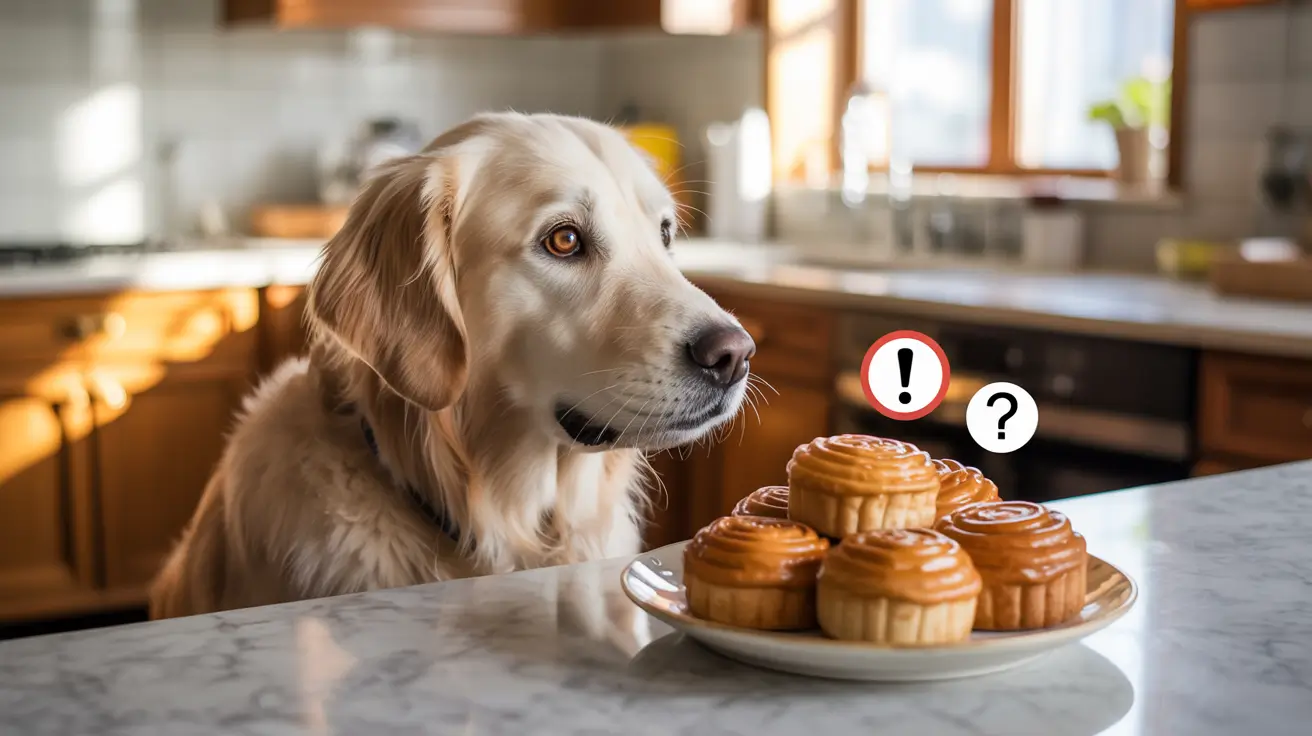
Many dog owners love to share their favorite snacks with their furry friends, but when it comes to sweet treats like honey buns, caution is necessary. You might be tempted to offer your dog a small piece of this sugary pastry, but before you do, it’s important to understand the potential risks. So, can dogs eat honey buns? The short answer is no, honey buns are not safe or healthy for dogs to eat.
Why Honey Buns Are Not Safe for Dogs
Honey buns may seem harmless because they don’t contain chocolate, but they are still full of ingredients that can be dangerous for dogs. These pastries are packed with sugar, fats, and artificial preservatives that can harm your dog’s digestive and metabolic health.
The biggest concern is the high sugar content. Dogs don’t process sugar the way humans do. Consuming sugary foods like honey buns can lead to obesity, dental problems, diabetes, and pancreatitis over time. In addition, the dough in honey buns is made with refined flour, which offers no nutritional value and can upset your dog’s stomach.
Some store-bought honey buns may even contain xylitol, an artificial sweetener that is extremely toxic to dogs — even in small amounts. Xylitol can cause a sudden drop in blood sugar (hypoglycemia), seizures, liver failure, and, in severe cases, death. Always read the ingredient label, but even if there’s no xylitol, honey buns should still be avoided.
Ingredients in Honey Buns That Are Harmful to Dogs
Most honey buns contain a combination of ingredients that dogs shouldn’t eat. These include:
- Sugar: Leads to obesity, tooth decay, and diabetes.
- Butter and Oil: High in fat and can trigger pancreatitis.
- Artificial Flavors and Preservatives: May cause allergic reactions or digestive issues.
- Processed Flour: Offers no nutrition and adds unnecessary calories.
- Glaze or Icing: Contains more sugar and sometimes artificial sweeteners that are unsafe.
Even a small piece can cause discomfort in dogs, such as bloating, diarrhea, or vomiting — especially in those with sensitive stomachs.
What Happens If a Dog Eats a Honey Bun
If your dog accidentally eats a small portion of a honey bun, it’s unlikely to cause serious harm right away. However, you should monitor your pet closely for any signs of distress such as:
- Vomiting
- Diarrhea
- Fatigue or weakness
- Increased thirst or urination
- Loss of appetite
If the honey bun contained xylitol or chocolate, contact your veterinarian immediately — these ingredients are life-threatening to dogs. Even if no toxic ingredients were involved, too much sugar and fat can cause stomach upset or inflammation of the pancreas.
Can Dogs Eat Honey or Small Sweet Treats
Pure, natural honey in small amounts is safe for most dogs. Honey contains antioxidants, enzymes, and trace vitamins that can be beneficial when given sparingly. However, it must be raw, unsweetened honey, not processed honey found in pastries.
You can offer a few drops of natural honey occasionally as a treat or mix it with dog-safe ingredients like plain yogurt or oats. But honey buns, on the other hand, are a processed dessert made for humans — not suitable for canine diets.
Healthy Alternatives to Honey Buns for Dogs
If your dog has a sweet tooth, there are safe alternatives that satisfy their craving without harming their health. Some good options include:
- Small pieces of apple or banana (without seeds or peel)
- A spoon of plain, unsweetened yogurt
- Pumpkin puree — rich in fiber and vitamins
- Homemade dog biscuits made with oats, peanut butter, and honey in small quantities
These natural alternatives are not only safe but also nutritious, helping your dog enjoy tasty snacks without compromising their well-being.
Long-Term Effects of Feeding Dogs Sugary Foods
Regularly feeding your dog sugary treats like honey buns can lead to several long-term health problems. The most common include:
- Obesity: Too many calories and fats can cause rapid weight gain.
- Diabetes: Excess sugar affects insulin regulation and blood sugar levels.
- Pancreatitis: A painful and dangerous inflammation caused by fatty foods.
- Dental Disease: Sugar causes plaque buildup and tooth decay.
- Behavioral Changes: High sugar levels may make dogs hyperactive or lethargic.
Dogs rely on a balanced diet designed specifically for their nutritional needs. Human desserts, especially processed ones like honey buns, throw that balance off entirely.
What Veterinarians Recommend
Veterinarians strongly advise against feeding honey buns or similar pastries to dogs. They recommend maintaining a diet rich in lean proteins, healthy fats, vegetables, and complex carbohydrates. Occasional dog-safe treats are fine, but processed sweets should always be avoided.
If you’re unsure about introducing a new food into your dog’s diet, always consult your vet first. They can recommend safe snacks or treats that won’t harm your pet’s digestive or overall health.
Conclusion
So, can dogs eat honey buns? The answer is no — honey buns are not safe for dogs to eat. They contain harmful ingredients like sugar, fats, and artificial preservatives that can lead to serious health problems. Even though a small bite might not cause immediate harm, it’s best to avoid giving them altogether.
Instead, treat your dog with healthy, vet-approved alternatives such as fruits, yogurt, or homemade dog snacks. Keeping your pet’s diet natural and balanced will ensure they live a longer, happier, and healthier life.
FAQs
Can dogs eat honey buns safely in small amounts?
No, even small portions of honey buns can upset your dog’s stomach and lead to health issues.
Are honey buns toxic to dogs?
They can be if they contain xylitol, chocolate, or other toxic ingredients. Always check the label.
Can dogs eat honey instead of honey buns?
Yes, a small amount of raw, natural honey is safe and even beneficial for dogs, unlike processed pastries.
What should I do if my dog eats a honey bun?
Monitor them for symptoms like vomiting or diarrhea. Contact your vet if they show signs of illness.
What are the best sweet treats for dogs?
Fruits like apples, bananas, or pumpkin puree are great natural alternatives that are safe and nutritious.
For More Visits: Animalsinfo
Also Read: Can Dogs Eat Squid? Healthy Power Guide 2025