

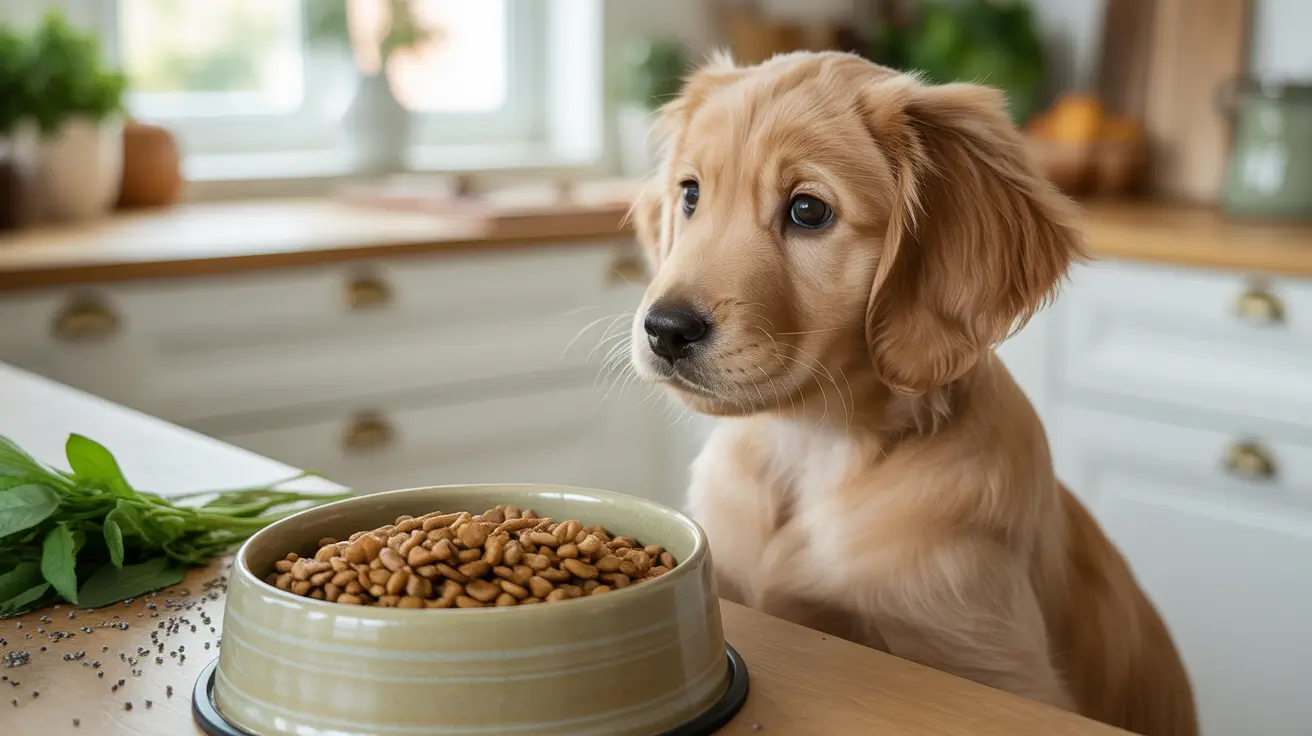
When it comes to your dog’s diet, even the smallest ingredient can make a big difference. One question many dog owners ask is: can dogs have poppy seeds? While poppy seeds are common in human diets, they can pose serious risks to dogs due to their toxic properties. Understanding how poppy seeds affect dogs, safe alternatives, and what to do in case of ingestion is essential for every pet owner.
What Are Poppy Seeds?
Poppy seeds come from the opium poppy plant (Papaver somniferum) and are commonly used in baked goods, dressings, and seasonings. While they are considered safe and even nutritious for humans in small amounts, poppy seeds contain alkaloids such as morphine and codeine. Even trace amounts of these compounds can affect dogs due to their smaller size and sensitive metabolism.
Many people are unaware that something as simple as sprinkling poppy seeds on bread or muffins could pose a serious health risk for their pets. This is why understanding the question can dogs have poppy seeds is so important.
Why Poppy Seeds Are Dangerous for Dogs
Unlike humans, dogs process substances differently. The alkaloids in poppy seeds can lead to toxicity, causing a range of symptoms depending on the quantity ingested and the size of your dog. Some of the potential dangers include:
- Central Nervous System Depression: Dogs may become lethargic, uncoordinated, or unusually sleepy.
- Respiratory Issues: Severe cases can cause slowed or irregular breathing.
- Gastrointestinal Problems: Vomiting, diarrhea, or stomach discomfort can occur after ingestion.
- Potential for Overdose: Ingesting a large quantity of poppy seeds can be fatal, especially for small dogs or puppies.
Even small amounts of poppy seeds may accumulate in a dog’s system if consumed repeatedly over time, making them unsafe as a treat or ingredient in homemade dog food.
Symptoms of Poppy Seed Toxicity in Dogs
If your dog accidentally eats poppy seeds, it’s crucial to watch for early signs of poisoning. Symptoms may appear within a few hours of ingestion and can include:
- Drowsiness or lethargy
- Loss of coordination or difficulty walking
- Drooling or excessive panting
- Vomiting or diarrhea
- Pupils may appear dilated
- In severe cases, slowed heartbeat or shallow breathing
Recognizing these symptoms early can be lifesaving. If you notice any of these signs, contact your veterinarian immediately.
Safe Alternatives to Poppy Seeds for Dogs
Since poppy seeds are unsafe, dog owners can use safe alternatives to enhance flavor or texture in dog-friendly recipes. Some healthy options include:
- Chia Seeds: Rich in omega-3 fatty acids, safe for most dogs in moderation.
- Flax Seeds: Promote healthy skin and coat, can be sprinkled in small amounts.
- Hemp Seeds: Provide protein and nutrients without the toxic effects.
- Pumpkin Seeds: Excellent source of fiber, minerals, and safe for dogs.
These alternatives can mimic the crunch and nutritional benefits of poppy seeds without putting your dog at risk.
Can Dogs Have Baked Goods with Poppy Seeds?
The short answer is no. Even a small amount of poppy seeds in muffins, bagels, or breads can cause toxicity. Additionally, baked goods often contain other harmful ingredients for dogs such as chocolate, xylitol, sugar, and certain nuts.
If you want to give your dog a safe treat, stick to:
- Dog-friendly baked goods made with dog-safe ingredients
- Fruits like apple slices or blueberries
- Plain cooked meat (without seasoning or sauces)
- Commercial dog treats approved by veterinarians
Always read ingredient labels carefully before offering any human food to your dog.
What to Do If Your Dog Eats Poppy Seeds
If you discover that your dog has eaten poppy seeds, follow these steps:
- Assess the Quantity: Determine how much was ingested and the approximate size of your dog.
- Monitor Symptoms: Watch for signs like vomiting, lethargy, or breathing difficulty.
- Contact a Veterinarian Immediately: Provide details about the amount ingested and your dog’s weight.
- Do Not Induce Vomiting Without Guidance: In some cases, forcing vomiting may worsen the situation.
- Follow Veterinary Instructions: The vet may recommend observation, activated charcoal, or supportive treatment depending on the severity.
Early intervention is crucial to prevent serious complications from poppy seed toxicity.
Why Dogs Are More Sensitive Than Humans
Dogs have a different metabolism and enzyme activity compared to humans. Substances that are safe for humans, such as caffeine, chocolate, or poppy seeds, can be extremely dangerous for dogs. This is why questions like can dogs have poppy seeds are so important to answer correctly.
- Dogs metabolize alkaloids more slowly, which can lead to toxic buildup.
- Small dogs and puppies are especially vulnerable due to their lower body mass.
- Even trace amounts may cause gastrointestinal upset or mild lethargy.
Always remember that dogs cannot safely consume foods containing opium-derived compounds.
Preventing Accidental Ingestion
To prevent poppy seed poisoning:
- Keep baked goods or snacks containing poppy seeds out of reach.
- Educate family members and visitors about which foods are unsafe.
- Avoid feeding table scraps that may contain hidden seeds.
- Use dog-safe ingredients when cooking at home.
Prevention is always better than treatment, especially with toxic ingredients like poppy seeds.
Can Dogs Have Poppy Seeds in Dog Food or Treats?
No commercially available dog food or treat should contain poppy seeds. If you see any labeled product with poppy seeds, do not feed it to your dog. Opt for treats made from dog-safe seeds, grains, or fruits. Homemade treats should always substitute harmful seeds with safe alternatives like chia or pumpkin seeds.
The Long-Term Risks of Poppy Seed Consumption
Even if your dog consumes only a small amount occasionally, repeated exposure to poppy seeds can have cumulative effects:
- Potential damage to the liver or kidneys due to the accumulation of toxins.
- Chronic gastrointestinal irritation or discomfort.
- Behavioral changes such as lethargy or decreased activity levels.
For these reasons, poppy seeds should never be part of a dog’s diet, even in small amounts.
FAQs: Can Dogs Have Poppy Seeds?
Q1: Can a tiny amount of poppy seeds hurt my dog?
Yes, even small amounts can cause mild to severe symptoms depending on your dog’s size and health.
Q2: Are poppy seeds in muffins dangerous for puppies?
Yes. Puppies are more sensitive due to their small size and developing systems, making any exposure potentially harmful.
Q3: Can I give my dog baked goods with poppy seeds occasionally?
No, repeated or occasional ingestion can still be risky. Avoid entirely.
Q4: What is the safe alternative to poppy seeds for dogs?
Chia seeds, flax seeds, pumpkin seeds, and hemp seeds are safe and nutritious options.
Q5: What symptoms should I watch for if my dog eats poppy seeds?
Lethargy, vomiting, diarrhea, unsteady walking, panting, or difficulty breathing.
Q6: Is cooking or baking poppy seeds safe for dogs?
No. Cooking does not eliminate the toxic alkaloids in poppy seeds.
Q7: When should I contact the vet after poppy seed ingestion?
Immediately, especially if you see any signs of distress or if the amount ingested was significant.
Conclusion
When answering the question can dogs have poppy seeds, the answer is clear: no. Poppy seeds contain toxic compounds that can harm your dog’s nervous system, digestive tract, and overall health. Even small amounts can be dangerous, and repeated exposure increases risks.
Dog owners should always keep foods containing poppy seeds away from their pets and choose safe alternatives like chia, flax, hemp, or pumpkin seeds. Awareness, vigilance, and early intervention are the keys to keeping your dog healthy and safe.
By understanding the dangers of poppy seeds and providing safe substitutes, you can protect your furry friend while still offering variety and nutrition in their diet.
For More Visits: Animalsinfo
Also Read: Cat Sleeping Positions When Sick: Comfort Guide 2025