

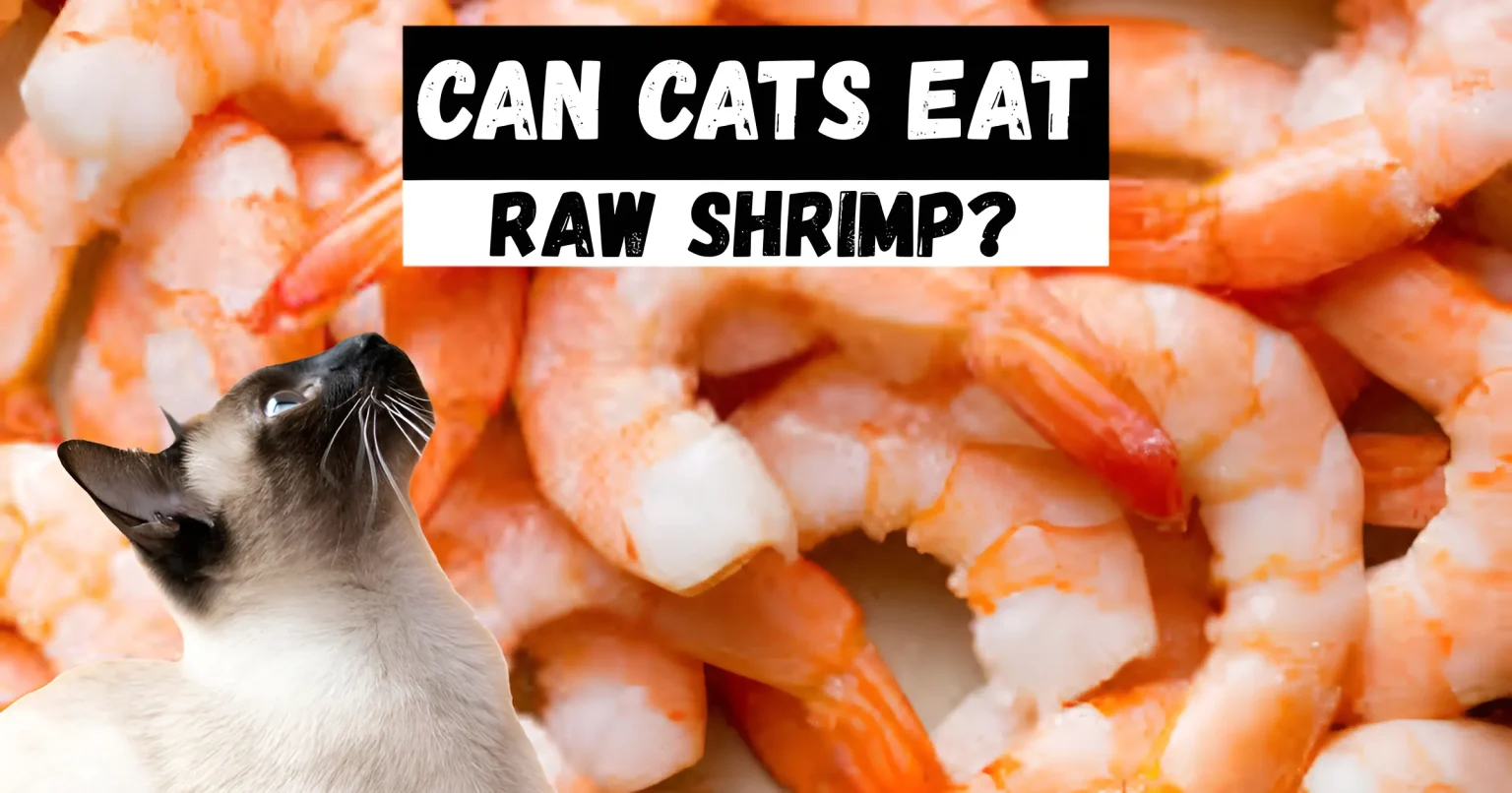
Cats are often drawn to seafood, and shrimp is one of those foods that naturally catches their attention. If you’ve ever prepared shrimp at home, you may have noticed your cat sniffing around, curious for a taste. This raises an important question: can cats eat raw shrimp, or is it unsafe?
The simple answer is no—cats should not eat raw shrimp. While shrimp itself is not toxic, serving it raw can expose your cat to harmful bacteria and other risks. Cooked shrimp, on the other hand, can be a safe and nutritious treat when prepared properly.
In this guide, you’ll learn why raw shrimp is risky, the benefits of cooked shrimp, how to prepare it safely, and what to watch for when feeding seafood to your cat.
Can Cats Eat Raw Shrimp?
Cats should not eat raw shrimp. Raw seafood can carry bacteria, parasites, and other contaminants that may lead to illness. Even though cats in the wild consume raw prey, domestic cats have different sensitivities and are not immune to foodborne risks.
Feeding raw shrimp increases the chances of digestive upset and infections, making it an unsafe choice for your pet.
Why Raw Shrimp Is Unsafe for Cats
There are several reasons why raw shrimp should be avoided.
Risk of Bacteria
Raw shrimp can contain harmful bacteria such as salmonella or listeria. These can cause vomiting, diarrhea, and general illness in cats.
Parasites
Uncooked seafood may carry parasites that can affect your cat’s digestive system and overall health. Cooking eliminates this risk.
Food Poisoning
Just like humans, cats can suffer from food poisoning if they consume contaminated raw seafood. Symptoms may range from mild to severe.
Shell Hazards
Raw shrimp often includes shells, which are hard and sharp. These can cause choking, mouth injuries, or digestive blockages if swallowed.
Can Cats Eat Cooked Shrimp?
Yes, cats can eat cooked shrimp, and it is a much safer option. When properly prepared, shrimp can be a healthy and protein-rich treat.
Cooking shrimp removes harmful bacteria and parasites, making it suitable for occasional feeding. However, it must always be served plain, without seasoning or additives.
Nutritional Benefits of Shrimp for Cats
When cooked and served correctly, shrimp offers several benefits.
High-Quality Protein
Shrimp is rich in protein, which supports muscle health and overall body function in cats.
Low in Calories
Compared to many other protein sources, shrimp is relatively low in calories, making it a light treat option.
Omega-3 Fatty Acids
Shrimp contains omega-3 fatty acids, which can help improve skin and coat health.
Essential Vitamins and Minerals
Shrimp provides nutrients such as:
- Vitamin B12 for energy and nerve health
- Phosphorus for strong bones
- Selenium for immune support
Risks of Feeding Shrimp to Cats
Even cooked shrimp should be given carefully.
Seasonings and Additives
Shrimp prepared for humans often contains salt, garlic, butter, or spices. These ingredients are harmful to cats and should always be avoided.
Allergic Reactions
Some cats may be allergic to seafood. Symptoms include itching, vomiting, or diarrhea.
Overfeeding
Too much shrimp can upset your cat’s stomach or lead to an unbalanced diet.
How to Prepare Shrimp for Cats
Safe preparation is essential when feeding shrimp to your cat.
Cook Thoroughly
Boil, steam, or grill shrimp until fully cooked. Avoid frying or adding oil.
Remove Shell and Tail
Always peel the shrimp completely. The shell and tail can be dangerous.
Serve Plain
Do not add salt, spices, butter, or sauces. Cats should only eat plain shrimp.
Cut into Small Pieces
Cut the shrimp into bite-sized portions to make it easier to eat and reduce choking risk.
How Much Shrimp Can Cats Eat?
Shrimp should only be an occasional treat, not a regular part of your cat’s diet.
- Small cats: one or two small pieces occasionally
- Larger cats: slightly more, but still limited
Treats should not make up more than 10% of your cat’s daily food intake.
Can Kittens Eat Shrimp?
Kittens can eat small amounts of cooked shrimp, but it’s best to be cautious. Their digestive systems are still developing, and they need a diet specifically designed for growth.
If you offer shrimp, make sure it is plain, fully cooked, and given in very small portions.
What Happens If a Cat Eats Raw Shrimp?
If your cat eats a small amount of raw shrimp accidentally, monitor them closely. They may not show any symptoms, but there is still a risk.
Watch for signs such as:
- Vomiting
- Diarrhea
- Loss of appetite
- Lethargy
If symptoms appear or worsen, contact your veterinarian promptly.
Can Cats Eat Frozen Raw Shrimp?
Frozen raw shrimp is still considered raw once thawed. Freezing may reduce some risks but does not eliminate bacteria or parasites completely.
It should always be cooked before feeding to your cat.
Signs Your Cat Tolerates Shrimp Well
When introducing shrimp, look for positive signs such as:
- Normal digestion
- Healthy appetite
- No vomiting or diarrhea
- Active behavior
If your cat reacts negatively, discontinue feeding shrimp.
When Should You Avoid Feeding Shrimp?
Avoid shrimp if:
- Your cat has a seafood allergy
- Your cat is on a strict veterinary diet
- The shrimp is raw or seasoned
- Your cat has a sensitive stomach
In these situations, it’s better to stick to regular cat food.
Frequently Asked Questions (FAQs)
Can cats eat raw shrimp safely?
No, raw shrimp is not safe due to bacteria and parasites.
Is cooked shrimp good for cats?
Yes, when plain and served in moderation, cooked shrimp can be a healthy treat.
Can cats eat shrimp every day?
No, shrimp should only be given occasionally to avoid dietary imbalance.
Can cats eat shrimp shells?
No, shells can cause choking or digestive issues and should always be removed.
What is better for cats—fish or shrimp?
Both can be given occasionally, but fish often contains higher levels of omega-3 fatty acids.
Final Thoughts
So, can cats eat raw shrimp? No, they should not. Raw shrimp carries risks such as bacteria, parasites, and digestive issues that can harm your cat.
Cooked shrimp, however, can be a safe and nutritious treat when prepared properly. Always remove shells, avoid seasoning, and serve in small portions.
Your cat’s primary diet should always come from balanced, high-quality cat food. Treats like shrimp should only be an occasional addition.
Keeping your cat safe starts with understanding what foods are appropriate. Making careful choices ensures your feline companion stays healthy and happy.
And always make sure to consult your veterinarian before introducing new foods into your cat’s diet to ensure it is safe for your pet.
For More Visits: Animalsinfo
Also Read: Can Cats Eat Rosemary? Benefits, Risks & Usage Tips