


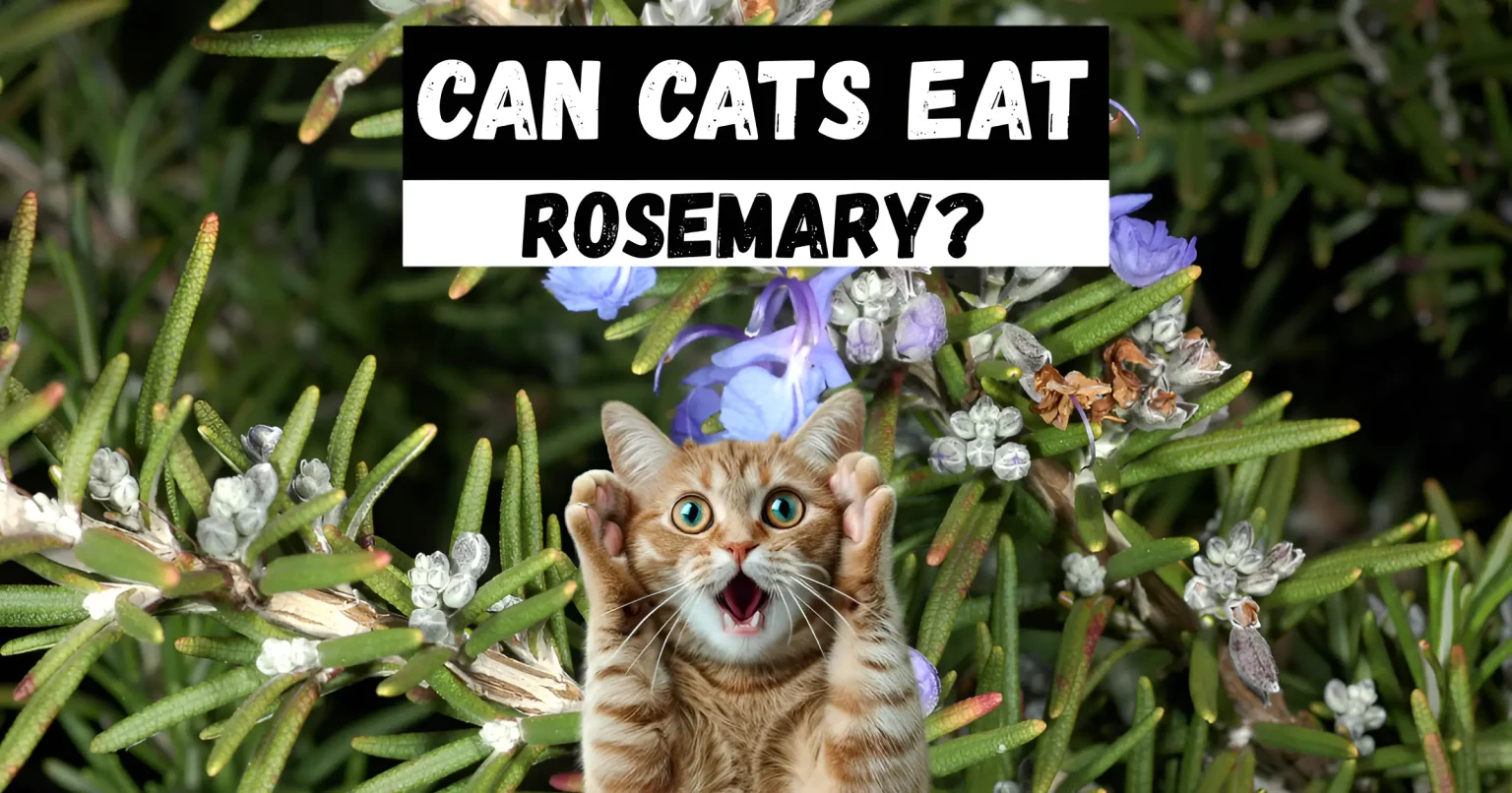
Cats are curious by nature, especially when it comes to new smells and textures. If you cook regularly, chances are your cat has shown interest in herbs like rosemary. This often leads to an important question: can cats eat rosemary, or is it something you should keep away from them?
The good news is that rosemary is generally safe for cats in small amounts. However, that doesn’t mean it should become a regular part of their diet. Like many herbs, rosemary offers some mild benefits but also comes with certain precautions that every cat owner should understand.
This guide will cover everything you need to know about feeding rosemary to cats, including its safety, benefits, risks, and proper usage.
Can Cats Eat Rosemary?
Yes, cats can eat rosemary in small quantities. It is not toxic to cats and is even listed as safe in small amounts. If your cat nibbles on a rosemary plant or consumes a tiny bit from your food, it is usually not a cause for concern.
However, cats do not naturally seek out herbs for nutrition. Rosemary should only be considered an occasional exposure rather than something you intentionally include in their diet.
What Is Rosemary?
Rosemary is a fragrant herb commonly used in cooking. It has needle-like leaves and a strong aroma that many people enjoy.
In human diets, rosemary is valued for its flavor and potential health benefits. For cats, however, its role is very limited and mostly unnecessary.
Nutritional Properties of Rosemary
Rosemary contains small amounts of nutrients that can be beneficial, but these are not essential for cats.
Antioxidants
Rosemary contains compounds that act as antioxidants. These help protect cells from damage and support overall health.
Vitamins
It includes trace amounts of vitamins such as vitamin A and vitamin C. While useful for humans, cats already get what they need from their regular diet.
Anti-Inflammatory Compounds
Some compounds in rosemary may have mild anti-inflammatory properties. However, the amount a cat would consume is too small to provide significant benefits.
Potential Benefits of Rosemary for Cats
While rosemary is not a necessary food for cats, it may offer a few mild advantages when consumed in very small amounts.
May Support Digestion
In tiny quantities, rosemary may help with mild digestive discomfort, although this is not a primary treatment.
Natural Antioxidant Support
The antioxidants in rosemary may contribute to overall health, but again, the impact is minimal due to the small amounts consumed.
Mild Pest Repellent Properties
Interestingly, rosemary is sometimes used in natural pet products to help repel fleas. This is more relevant in topical applications rather than feeding.
Risks of Feeding Rosemary to Cats
Even though rosemary is not toxic, there are still risks to consider.
Digestive Upset
Cats have sensitive digestive systems, and herbs are not a natural part of their diet. Eating too much rosemary can lead to vomiting or diarrhea.
Strong Flavor and Smell
Many cats dislike the strong scent and taste of rosemary. Forcing them to eat it can cause stress or refusal to eat other foods.
Essential Oils Are Dangerous
Rosemary in its essential oil form is not safe for cats. Essential oils are highly concentrated and can be toxic if ingested or even inhaled in large amounts.
Choking Risk
If rosemary is given in large, woody pieces, it can be difficult for cats to chew and swallow.
Can Cats Eat Fresh Rosemary?
Yes, cats can eat fresh rosemary in very small amounts. If your cat happens to nibble on a fresh plant, it is generally safe.
However, the leaves should be soft and given in tiny pieces if you are offering it intentionally. Most cats will not show much interest in eating it anyway.
Can Cats Eat Dried Rosemary?
Dried rosemary is not ideal for cats. It is harder to chew and more concentrated in flavor. This can increase the risk of digestive upset or irritation.
If your cat consumes a small amount accidentally, it is usually not dangerous, but it’s not something you should offer deliberately.
Can Cats Eat Rosemary in Food?
Cats can eat small traces of rosemary found in cooked food, as long as the dish does not contain harmful ingredients like garlic, onions, or excessive salt.
However, most human recipes include ingredients that are unsafe for cats, so it’s best to avoid sharing seasoned foods altogether.
How Much Rosemary Can Cats Eat?
Rosemary should only be consumed in very tiny amounts, if at all.
A small nibble or trace amount is more than enough. There is no need to add rosemary to your cat’s diet intentionally. Their nutritional needs are fully met through balanced cat food.
Can Kittens Eat Rosemary?
It’s best to avoid giving rosemary to kittens. Their digestive systems are still developing, and they are more sensitive to new or unusual foods.
If a kitten accidentally nibbles on a small amount, it is usually not harmful, but regular feeding should be avoided.
Signs Your Cat Doesn’t Tolerate Rosemary
If your cat eats rosemary and reacts poorly, you may notice:
- Vomiting
- Diarrhea
- Loss of appetite
- Lethargy
If these symptoms appear, stop exposure and consult your veterinarian if the condition does not improve.
When Should You Avoid Rosemary Completely?
Avoid rosemary if:
- Your cat has a sensitive stomach
- Your cat has a history of digestive issues
- You are dealing with concentrated rosemary products like oils
- Your cat is on a strict veterinary diet
In these situations, it’s safer to avoid any unnecessary additions to their diet.
Is Rosemary Necessary for Cats?
No, rosemary is not necessary for cats. Unlike humans, cats do not benefit significantly from herbs in their diet.
Cats are obligate carnivores, meaning their bodies are designed to get nutrients from animal-based foods. Herbs like rosemary do not play a meaningful role in their nutrition.
Frequently Asked Questions (FAQs)
Is rosemary toxic to cats?
No, rosemary is not toxic in small amounts. However, essential oils made from rosemary can be harmful.
Can cats eat rosemary every day?
No, rosemary should not be a regular part of a cat’s diet. It offers no essential benefits.
Can cats chew on rosemary plants?
Yes, occasional nibbling is usually safe, but it should not be encouraged.
Is rosemary safe in cat food?
Small amounts used as a preservative in pet food are generally considered safe.
Can rosemary repel fleas on cats?
It may help in natural products, but feeding rosemary does not have the same effect.
Final Thoughts
So, can cats eat rosemary? Yes, they can—but only in very small amounts and without any real need. While rosemary is not toxic, it does not provide significant benefits for cats and should not be intentionally added to their diet.
If your cat accidentally eats a small amount, there is usually no reason to worry. However, avoid concentrated forms like essential oils and keep portions minimal to prevent digestive upset.
Your cat’s health depends on a balanced, meat-based diet that meets their nutritional needs. Herbs like rosemary are simply not necessary.
And always make sure to consult your veterinarian before introducing new foods into your cat’s diet to ensure it is safe for your pet.
For More Visits: Animalsinfo
Also Read: Can Dogs Eat Bacon Grease? Risks, Ingredients & Guidance