

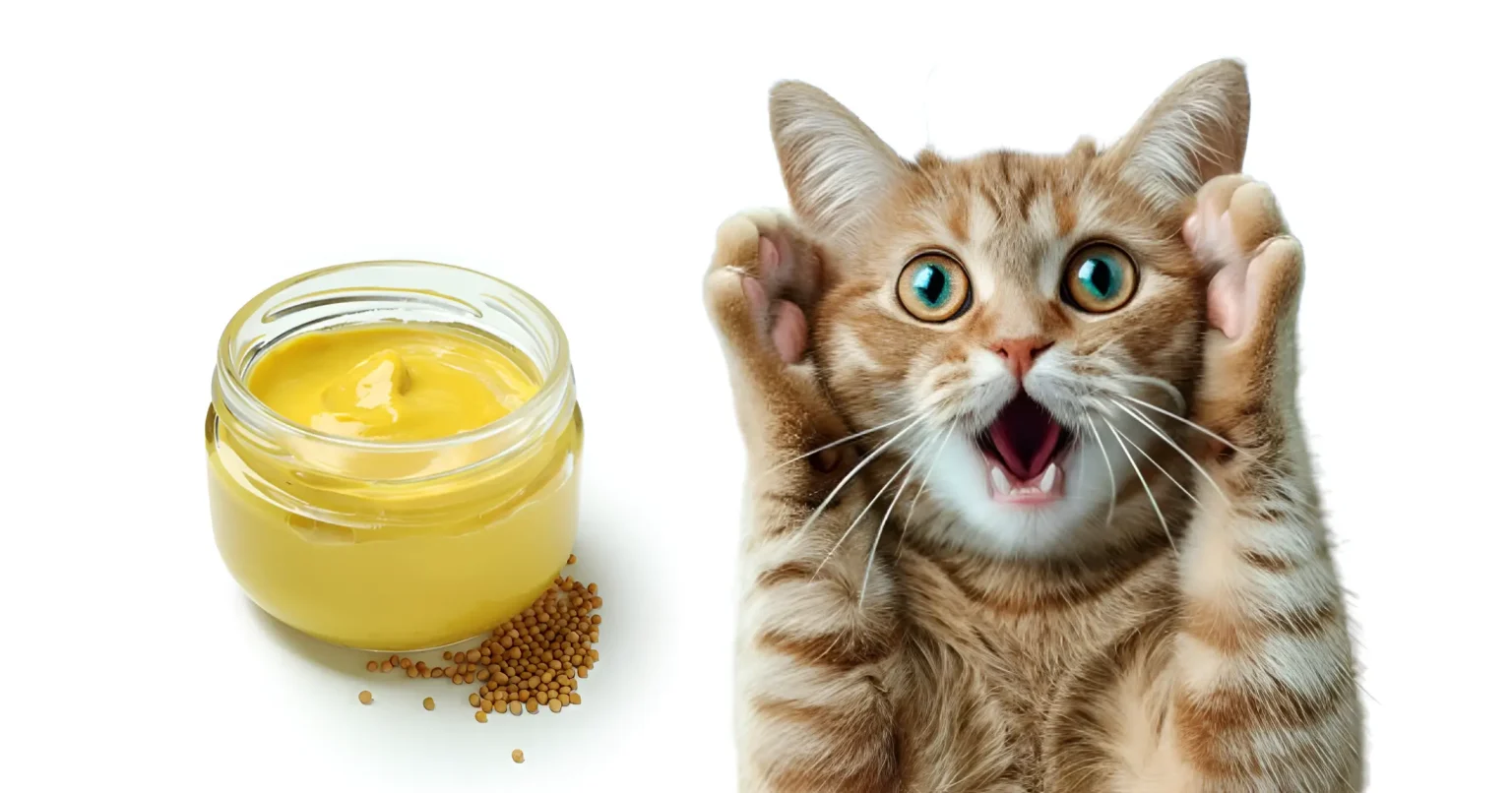
Mustard is a popular condiment around the world, known for its tangy, slightly spicy flavor. Humans enjoy mustard on sandwiches, hot dogs, and in sauces, but as a responsible cat owner, you may wonder: Can cats eat mustard? The simple answer is no—cats should not consume mustard. While it might seem harmless in small quantities, mustard contains ingredients that can be harmful to cats, including spices, salt, and vinegar.
Cats have highly specialized digestive systems and nutritional needs. Even foods safe for humans can cause discomfort, digestive upset, or toxicity in cats. In this article, we will explore why mustard is unsafe, what could happen if a cat consumes it, potential long-term risks, and safe alternatives for treating or flavoring your feline friend’s diet.
Understanding Mustard and Its Ingredients
Mustard comes in several varieties, including yellow, Dijon, and spicy brown mustard. The common ingredients in mustard include:
- Mustard seeds – These give mustard its characteristic heat and flavor.
- Vinegar – Adds acidity and tanginess.
- Salt – Enhances taste.
- Spices – Ingredients like turmeric, garlic powder, paprika, or chili powder may be included.
- Sugar – Present in some types to balance the flavor.
Each of these ingredients, though safe and enjoyable for humans, can be problematic for cats. Even a small amount of mustard can irritate a cat’s sensitive digestive system or cause toxic reactions depending on the type of mustard.
Why Mustard Is Unsafe for Cats
Cats are obligate carnivores, meaning their diet should consist almost entirely of meat. Their bodies are not designed to process spices, salt, or acidic ingredients. Mustard poses several risks:
1. Spices and Mustard Seeds
Mustard seeds and spices can irritate a cat’s mouth, throat, and stomach. The capsaicin-like compounds found in some mustard varieties can lead to:
- Drooling
- Vomiting
- Diarrhea
- Abdominal discomfort
- Pawing at the mouth
Even small amounts of spicy mustard can cause temporary pain and digestive upset.
2. Vinegar
The vinegar in mustard adds acidity that cats cannot tolerate in large amounts. Vinegar can cause:
- Nausea
- Upset stomach
- Vomiting
- Loose stools
Prolonged exposure to acidic foods may also contribute to dental erosion and oral discomfort.
3. Salt
Salt content in mustard is significantly higher than what cats need. Excess salt intake can lead to:
- Increased thirst
- Urination issues
- Sodium poisoning
- Lethargy
- Vomiting or diarrhea
Small cats and kittens are particularly vulnerable to salt toxicity.
4. Added Ingredients
Some mustard varieties include garlic, onion powder, or chili, all of which are toxic to cats. Garlic and onions can damage red blood cells, leading to anemia, weakness, or even organ damage in severe cases.
Potential Health Effects of Mustard in Cats
Feeding mustard to cats, whether intentionally or accidentally, can lead to various health issues.
Immediate Effects
- Drooling or foaming at the mouth
- Vomiting
- Diarrhea
- Pawing at the mouth
- Mild discomfort or restlessness
Intermediate Effects
- Loss of appetite
- Lethargy
- Signs of dehydration if vomiting or diarrhea persists
- Abdominal pain
Severe Effects
- Sodium or spice toxicity
- Gastrointestinal irritation or inflammation
- Hemolytic anemia from garlic or onion-containing mustard
- Tremors or weakness in severe cases
Even a small amount may be enough to cause temporary discomfort, while larger quantities or repeated exposure can be dangerous.
Why Cats React Differently Than Humans
Cats have unique dietary and digestive needs compared to humans:
- Their digestive system cannot handle spices or acidic foods.
- They have a low tolerance for salt and sugar.
- Cats rely on animal proteins for essential nutrients, not plant-based ingredients.
- Their liver and kidneys process toxins differently, making some human foods dangerous.
Because of these differences, mustard is unsuitable for feline consumption, even as a treat.
What to Do If Your Cat Eats Mustard
Accidents happen, and a curious cat might sample your plate or condiments. If your cat eats mustard:
- Assess the quantity consumed – A small smear may cause mild discomfort; larger amounts or spicy varieties are more serious.
- Monitor for symptoms – Watch for vomiting, diarrhea, drooling, lethargy, or abnormal behavior.
- Provide water – Encourage hydration to help flush out toxins and ease digestive upset.
- Call your veterinarian – If your cat consumed garlic, onion, or large quantities of mustard, seek immediate advice.
- Do not induce vomiting without guidance – Some ingredients could cause more harm if vomited.
Early intervention ensures your cat remains safe and reduces the risk of serious complications.
Safe Alternatives to Mustard for Cats
While cats should not consume mustard, there are safe ways to add flavor or treats to their diet:
1. Cat-Safe Treats
Offer commercially available cat treats made specifically for feline nutrition. These treats provide flavor and texture without harmful ingredients.
2. Cooked Meat
Cats love plain cooked chicken, turkey, or fish. These protein sources are healthy and satisfying. Avoid seasoning or spices.
3. Catnip
Catnip can be sprinkled over food or used as a toy to stimulate play. It’s safe and enjoyable for most cats.
4. Pumpkin or Sweet Potato
Plain cooked pumpkin or sweet potato can be offered as an occasional treat. They are gentle on digestion and provide fiber.
5. Tuna or Salmon Flakes
Occasionally, plain tuna or salmon flakes (without added salt) are safe and highly palatable for cats.
Preventing Accidental Consumption
Cats are naturally curious and may try to taste human food. To prevent accidental mustard ingestion:
- Keep mustard jars and condiments out of reach.
- Avoid leaving plates or snacks unattended.
- Educate family members about the dangers of feeding human food to cats.
- Use cat-friendly feeding areas separate from human dining areas.
- Train your cat to avoid counters or tables.
Frequently Asked Questions (FAQs)
1. Can cats eat a tiny bit of mustard?
Even a small amount can irritate the mouth or stomach. It’s best to avoid it entirely.
2. Is yellow mustard safer than Dijon or spicy mustard?
No. All types of mustard contain spices, vinegar, and salt, which are harmful to cats.
3. What if my cat ate mustard accidentally?
Monitor for vomiting, diarrhea, or signs of discomfort. Contact a veterinarian if symptoms are severe or if the mustard contains garlic or onion.
4. Can mustard cause long-term health issues in cats?
Repeated exposure can lead to digestive upset, dehydration, and, in the case of garlic or onion ingredients, anemia or organ damage.
5. Are there any human condiments safe for cats?
Cats do not require human condiments. Stick to cat-safe treats or plain cooked meats for flavor.
Conclusion – Can cats eat mustard?
Mustard is a condiment that humans enjoy, but it is not safe for cats. The combination of spices, vinegar, and salt can cause irritation, digestive upset, or even toxicity, depending on the type and amount ingested. Small accidental amounts may lead to temporary discomfort, while larger or repeated exposure poses serious health risks.
Instead of offering mustard or other condiments, cat owners should focus on safe alternatives such as cooked meats, catnip, pumpkin, or commercially prepared cat treats. Keeping condiments out of reach and educating household members is essential to prevent accidental ingestion.
Cats have unique nutritional needs, and feeding them human food—especially spicy or acidic condiments like mustard—can compromise their health. Providing safe, nutritious, and enjoyable alternatives ensures your feline companion remains happy, healthy, and free from unnecessary risk.
For More Visits: Animalsinfo
Also Read: Can Dogs Eat Tajin – Smart 2025 Safety Guide