


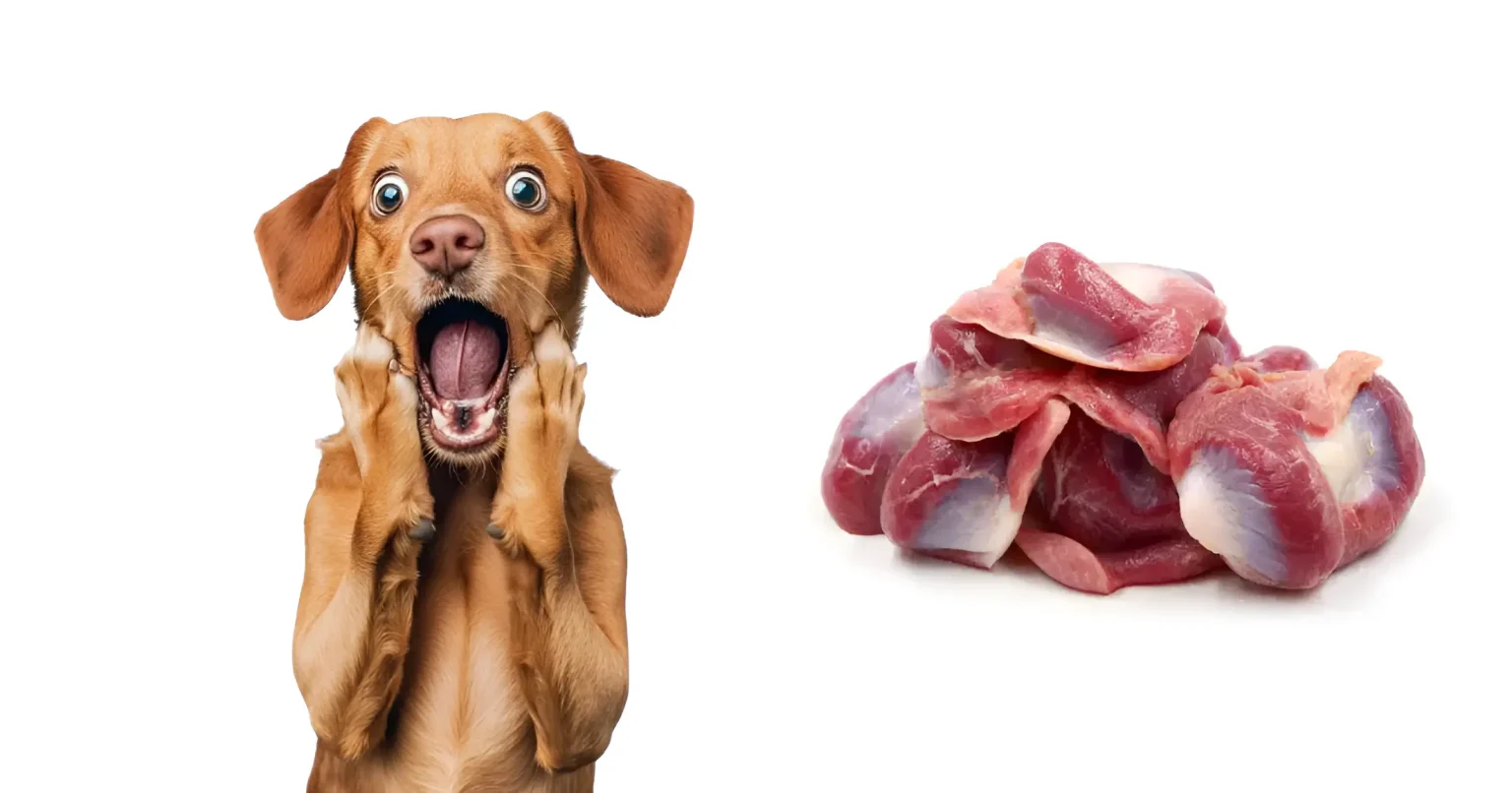
Can dogs eat chicken gizzards? Chicken gizzards are a popular ingredient in many human and pet diets due to their rich nutritional profile and chewy texture. They are small, muscular organs in chickens that help with digestion and are packed with protein, vitamins, and minerals. While humans often enjoy them in stews, fried dishes, or slow-cooked meals, pet owners frequently ask whether gizzards are safe and beneficial for dogs. Understanding how chicken gizzards affect a dog’s digestive system and overall health is key before incorporating them into your dog’s diet.
Dogs are omnivorous and can digest a variety of foods, but not every human food is suitable for them. Their digestive systems are more sensitive to fats, seasoning, and organ meats than humans’. Chicken gizzards, while generally safe, must be prepared properly and given in moderation to avoid potential health issues. This guide explores the nutritional benefits of chicken gizzards, how to prepare them safely, potential risks, and tips for feeding them to dogs of all ages and sizes.
What Are Chicken Gizzards?
Chicken gizzards are part of the bird’s digestive system. They are strong, muscular organs that grind and break down food, often containing small stones or grit that the bird has ingested. For humans and dogs, the gizzard is a high-protein organ meat that provides essential nutrients. The texture is dense and chewy, which some dogs enjoy as a natural chewing challenge.
Nutritionally, chicken gizzards are rich in protein, iron, phosphorus, and zinc. They contain a small amount of fat and are low in carbohydrates, making them a healthy addition to a balanced diet. They also offer B vitamins, including niacin and riboflavin, which support energy metabolism and overall health. For dogs, this nutrient profile can contribute to strong muscles, healthy blood, and a shiny coat.
Can Dogs Eat Chicken Gizzards?
Yes, dogs can eat chicken gizzards, and in fact, they are considered a healthy treat or supplemental food when properly prepared. The high protein content and low fat make gizzards a nutritious option for most dogs. They provide essential amino acids that support muscle development, repair tissues, and maintain overall vitality. Additionally, the chewy texture can help clean a dog’s teeth and provide mental stimulation during chewing.
However, it’s crucial to feed gizzards in moderation and ensure they are properly cooked. Overfeeding or serving them raw can lead to digestive upset or bacterial infections. While gizzards are generally safe, they should not replace a dog’s regular balanced diet but instead serve as a high-protein treat or meal supplement.
Nutritional Benefits of Chicken Gizzards for Dogs
- High-Quality Protein: Chicken gizzards are rich in lean protein, essential for building and maintaining strong muscles. Protein also supports immune function and helps repair tissues after daily wear and tear.
- Minerals: Gizzards are a good source of iron, which supports red blood cell production, zinc, which aids in immunity and skin health, and phosphorus, which is important for bones and teeth.
- B Vitamins: Niacin, riboflavin, and other B vitamins in gizzards promote energy metabolism, proper brain function, and a healthy coat.
- Low Fat: Unlike other organ meats, gizzards are relatively low in fat, which reduces the risk of weight gain or digestive upset when served in moderation.
- Dental Health: The dense and chewy texture of gizzards encourages chewing, which can help reduce plaque buildup on teeth and stimulate healthy gums.
By offering chicken gizzards responsibly, you provide your dog with a nutrient-dense, protein-rich food that enhances their overall health and vitality.
Raw vs Cooked Gizzards: What Is Safer?
Some pet owners consider feeding raw chicken gizzards as part of a raw diet, while others prefer cooked versions. Each option has advantages and risks:
- Raw Gizzards: Raw gizzards are closer to the bird’s natural diet and retain more nutrients that may be lost during cooking. However, raw chicken carries the risk of bacterial contamination, including Salmonella and E. coli. Dogs are more resistant to these bacteria than humans, but they can still cause vomiting, diarrhea, and serious illness, especially in puppies, senior dogs, or dogs with weak immunity.
- Cooked Gizzards: Boiling or steaming chicken gizzards thoroughly kills harmful bacteria while keeping the meat tender and safe for consumption. Avoid frying or adding seasoning, salt, or spices, as these can upset a dog’s stomach and may even be toxic in certain cases. Cooked gizzards are safer for most dogs, and gradually introducing them helps monitor tolerance.
Overall, cooked gizzards are the safest option, particularly for first-time feeding or for dogs with sensitive stomachs.
How to Prepare Chicken Gizzards for Dogs
- Cleaning: Rinse the gizzards thoroughly under running water to remove grit or debris.
- Boiling/Steaming: Place gizzards in boiling water or a steamer for 30-40 minutes until fully tender. Avoid overcooking, as this may make the meat too tough.
- Cooling and Cutting: Allow the gizzards to cool before serving. Cut them into small, manageable pieces to prevent choking, especially for smaller breeds.
- Serving Plain: Serve gizzards without added salt, oil, garlic, onions, or spices. Dogs do not need these seasonings, and they can be harmful.
You can also combine gizzards with a small portion of cooked vegetables or rice for a balanced meal, but remember to keep organ meat portions small relative to the overall diet.
How Much Chicken Gizzard Can Dogs Eat?
Portion size depends on the dog’s weight, age, and dietary needs:
- Small dogs (under 10 lbs): 1-2 small pieces occasionally.
- Medium dogs (10-40 lbs): 3-5 pieces, 1-2 times per week.
- Large dogs (40+ lbs): Up to 6-8 pieces occasionally.
Gizzards should not exceed 10% of a dog’s total diet, as organ meats are nutrient-dense and can overload the digestive system if served in large quantities.
Potential Risks of Feeding Chicken Gizzards
- Digestive Upset: Some dogs may experience vomiting or diarrhea if gizzards are fed too frequently or in large portions.
- Choking Hazard: Whole or large gizzards can be tough to chew. Cutting them into smaller pieces reduces choking risk.
- Raw Feeding Risks: As mentioned, raw gizzards can harbor bacteria that may lead to infections. Puppies, older dogs, and immunocompromised dogs are particularly vulnerable.
- High Vitamin/Mineral Intake: Organ meats are rich in certain vitamins and minerals. Overfeeding can cause imbalances, such as too much vitamin A, which may lead to toxicity over time.
By monitoring portion size and preparation method, you can minimize these risks.
Are Chicken Gizzards Suitable for Puppies?
Puppies have developing digestive systems, which can make them sensitive to organ meats. Small amounts of cooked chicken gizzards can be offered occasionally to introduce them to different proteins. Always monitor for digestive reactions and avoid overfeeding. Gizzards should complement, not replace, balanced puppy food formulated to meet their growth needs.
Are Chicken Gizzards Good for Senior Dogs?
Yes, senior dogs often benefit from high-protein, low-fat foods like chicken gizzards. Protein supports muscle maintenance, and the chewiness helps maintain dental health. However, older dogs may have sensitive stomachs, so start with small portions and observe tolerance carefully.
Can Dogs Eat Fried or Seasoned Gizzards?
No. Fried gizzards are high in fat, which can trigger pancreatitis or digestive issues. Seasonings such as garlic, onions, or salt can be toxic or irritating. Always serve gizzards plain and boiled or steamed to ensure safety.
How Often Can Dogs Eat Chicken Gizzards?
Chicken gizzards should be an occasional treat or meal supplement. Feeding them once or twice a week is sufficient for most dogs. Overfeeding organ meats may disrupt the balance of nutrients in your dog’s diet and lead to digestive or metabolic issues.
Signs Your Dog Reacts Poorly to Gizzards
Watch for the following signs after feeding chicken gizzards:
- Vomiting or diarrhea
- Abdominal discomfort or bloating
- Loss of appetite
- Lethargy or unusual tiredness
- Excessive drooling
If these symptoms appear, stop feeding gizzards and consult your veterinarian.
Final Thoughts
Chicken gizzards are a safe, nutritious, and protein-rich treat for most dogs when cooked properly and fed in moderation. They provide essential amino acids, minerals, and vitamins while supporting muscle development and overall health. However, portion control, proper preparation, and monitoring for digestive sensitivity are critical.
Never feed raw, fried, or seasoned gizzards. For puppies, start small; for senior dogs, ensure digestibility. By treating chicken gizzards as a supplemental food rather than a main meal, you can safely add variety and nutrition to your dog’s diet.
FAQs
1. Can dogs eat chicken gizzards raw?
Raw gizzards carry bacteria risks and should be avoided, especially for puppies or immunocompromised dogs.
2. How should gizzards be cooked for dogs?
Boiled or steamed until tender, served plain without seasoning.
3. Are gizzards safe for puppies?
Yes, in very small amounts, as long as they are properly cooked and monitored.
4. Can gizzards cause digestive upset?
Overfeeding or feeding raw/fried gizzards may lead to vomiting or diarrhea.
5. How often can dogs eat chicken gizzards?
Once or twice a week is sufficient as an occasional treat or supplement.
6. Are fried or seasoned gizzards safe for dogs?
No, fried and seasoned gizzards can cause digestive problems and may contain toxic ingredients.
7. Are gizzards good for senior dogs?
Yes, they are high in protein and low in fat, supporting muscle maintenance and dental health when given in moderation.
For More Visits: AnimalsInfo