

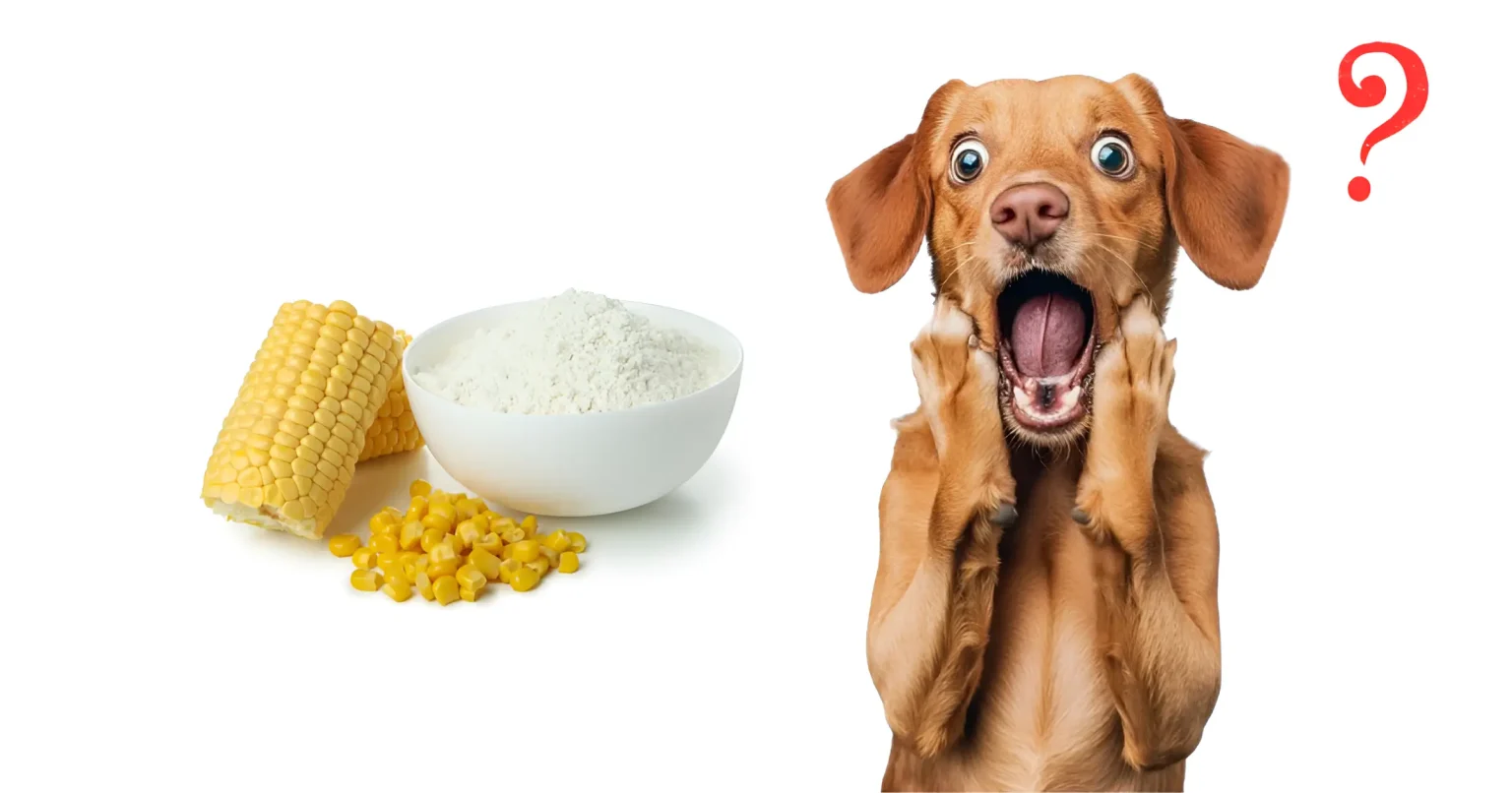
Dogs are often curious about the foods we eat, and pet owners sometimes wonder about common kitchen ingredients. One such ingredient is cornstarch. It is used widely in cooking and baking as a thickening agent, but the question arises: can dogs have cornstarch?
Cornstarch is a fine, powdery substance derived from corn and is often considered safe for human consumption. But dogs have very different digestive systems, and what is harmless for humans may not always be appropriate for pets. This guide will explain everything dog owners need to know about cornstarch, including safety, potential uses, risks, and what to do if your dog accidentally consumes it.
Understanding Cornstarch and Why Dogs May Be Exposed
Cornstarch is commonly found in kitchens worldwide and is a primary ingredient in sauces, gravies, soups, and baked goods. Dogs can be exposed to cornstarch in various ways:
- Accidentally eating foods prepared for humans
- Licking kitchen surfaces or utensils with cornstarch residue
- Consuming dog treats or meals that contain cornstarch as a filler
The question can dogs have cornstarch usually comes up when an owner considers using it as a food additive or notices their dog showing interest in cornstarch-containing foods.
Can Dogs Eat Cornstarch Safely?
Yes, dogs can have cornstarch in small amounts, but with important considerations. Plain cornstarch is generally non-toxic and can be safely ingested in moderation. However, cornstarch does not provide any nutritional value for dogs. It is a carbohydrate that is mostly empty calories, meaning it does not support a dog’s dietary needs.
Feeding cornstarch in small amounts as part of a recipe or occasionally mixed into dog-safe foods is unlikely to harm a healthy dog. The main concern arises with excessive consumption or when cornstarch is included in human foods that contain other ingredients harmful to dogs, such as onion, garlic, or high amounts of sugar.
Is Cornstarch Toxic to Dogs?
Cornstarch itself is not poisonous to dogs. It does not contain harmful compounds that can directly poison a dog. Nevertheless, its consumption should be limited because:
- Dogs do not need cornstarch for energy; they get sufficient carbohydrates from regular dog food
- Overconsumption can contribute to weight gain and obesity
- It can cause digestive upset if eaten in large quantities
In essence, while cornstarch is safe in moderation, it does not offer benefits and should never replace regular dog food.
Nutritional Profile of Cornstarch and Its Relevance for Dogs
Cornstarch is almost pure carbohydrate and contains negligible amounts of protein, vitamins, or minerals. In humans, it provides energy, but dogs get energy primarily from proteins and fats present in their diet.
Feeding cornstarch does not improve a dog’s health or nutrition. Instead, it may add unnecessary calories and could lead to weight-related issues if given frequently. Dogs with diabetes or obesity should particularly avoid cornstarch, as it can spike blood sugar levels.
Potential Uses of Cornstarch for Dogs
Despite its limited nutritional value, cornstarch can sometimes be used safely in dog care under certain conditions:
- Thickening Homemade Dog Food – A small pinch of cornstarch can be used to thicken broths or gravies in homemade dog meals.
- Baking Dog Treats – Some dog treat recipes call for cornstarch to improve texture or help bind ingredients.
- Topical Use – Cornstarch can be used externally to soothe minor skin irritations or prevent chafing in dogs.
While these uses are generally safe, moderation is key, and cornstarch should never be a primary ingredient in a dog’s diet.
Risks of Feeding Cornstarch to Dogs
Though not toxic, cornstarch carries some risks when consumed in excess:
- Digestive Upset – Large quantities may cause diarrhea, bloating, or constipation.
- Obesity and Weight Gain – Repeated feeding of cornstarch increases caloric intake without providing nutrients.
- Blood Sugar Spikes – Cornstarch is high in carbohydrates, which can be problematic for dogs with diabetes.
Cornstarch should always be given in controlled, small amounts if included in food, and it should not be a regular part of a dog’s diet.
Can Puppies Eat Cornstarch?
Puppies have sensitive digestive systems that are still developing. While a tiny amount of plain cornstarch is unlikely to harm a healthy puppy, intentional feeding is not recommended. Puppies require nutrient-rich food for proper growth and development, and cornstarch does not provide essential nutrients.
Excessive cornstarch in puppies can lead to digestive upset or unwanted weight gain during critical growth stages.
Cornstarch in Dog Treats: Is It Safe?
Many commercial dog treats use cornstarch as a filler or binding agent. Generally, this is safe in moderation because the overall quantity in each treat is small. However, dog owners should check ingredient labels carefully:
- Avoid treats with excessive cornstarch or artificial additives
- Look for treats with high protein content and real ingredients
- Ensure treats are appropriate for your dog’s size and health condition
Homemade treats with controlled amounts of cornstarch can also be safe when prepared thoughtfully.
Signs Your Dog May Have Eaten Too Much Cornstarch
If a dog consumes too much cornstarch, digestive symptoms may appear:
- Vomiting
- Diarrhea
- Bloating or gas
- Mild lethargy
These symptoms are usually temporary if cornstarch is the only issue. However, prolonged or repeated overconsumption can contribute to long-term health concerns such as obesity or diabetes.
What to Do If Your Dog Eats Cornstarch
If your dog accidentally eats a small amount of cornstarch, there is usually no need for concern. Monitor them for mild digestive upset and provide fresh water.
If your dog eats a large amount or experiences persistent vomiting, diarrhea, or lethargy, contact a veterinarian. The vet can provide advice on hydration and dietary management to ensure your dog remains healthy.
Should Cornstarch Be Part of a Dog’s Diet?
Cornstarch is not essential for dogs. They get sufficient energy from proteins and fats in their regular dog food. While cornstarch is generally safe in small amounts, it should never replace high-quality nutrition.
Dogs do best when fed a diet tailored to their species-specific needs. Treats, fillers, or additives like cornstarch should be given sparingly and only occasionally.
Common Misconceptions About Cornstarch and Dogs
A common misconception is that all ingredients safe for humans are safe for dogs. While cornstarch is non-toxic, many human foods containing cornstarch may include harmful ingredients such as onion, garlic, or excessive salt.
Another myth is that cornstarch has significant health benefits for dogs. In reality, it is mostly an empty carbohydrate and does not provide essential nutrients. Understanding these nuances helps owners make safer choices.
Final Thoughts on Can Dogs Have Cornstarch
So, can dogs have cornstarch? Yes, in small, controlled amounts, cornstarch is safe for dogs, but it should never be a major component of their diet. Cornstarch offers no nutritional value and can contribute to digestive issues, weight gain, or blood sugar fluctuations if overused.
Responsible dog ownership means focusing on foods that support a dog’s health. Treats or recipes containing cornstarch are best given occasionally, and only in moderation.
Frequently Asked Questions (FAQs)
Can dogs eat cornstarch daily?
No, daily consumption is not recommended. Cornstarch does not provide nutrition and can lead to weight gain or digestive issues.
Is cornstarch toxic to dogs?
No, cornstarch is not toxic, but it should still be fed sparingly to avoid health risks.
Can puppies have cornstarch?
Puppies can tolerate a tiny amount, but it is better to avoid it since they require nutrient-rich food for growth.
Can cornstarch help with digestive issues in dogs?
Cornstarch is not a treatment for digestive issues. In fact, too much cornstarch can worsen stomach upset.
Are cornstarch-based dog treats safe?
Yes, treats with moderate cornstarch are generally safe, but ensure they contain other nutritious ingredients and are appropriate for your dog’s health.
This guide provides practical, detailed information for dog owners who want to understand the safety and risks of cornstarch. Knowing what is safe and what is unnecessary ensures your dog remains healthy, happy, and well-nourished.
For More Visits: Animalsinfo
Also Read: Can Dog Eat Persimmon? 5 Safe Benefits Guide 2025