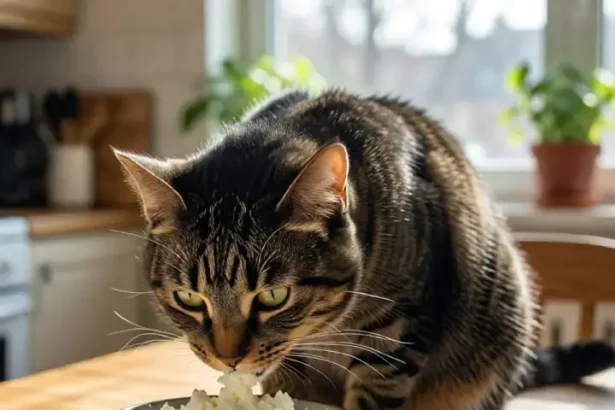


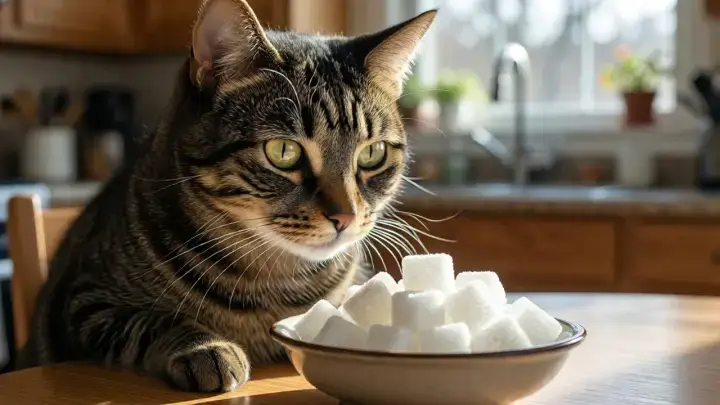
Cats are curious animals, and anyone who has ever shared their home with a cat knows how easily they are attracted to human food. Whether it is sweets, desserts, or even a small crumb of cake, cats often show interest in what their owners are eating. This naturally leads to an important question among pet owners: can cats eat sugar?
At first glance, sugar may seem harmless because it is a common ingredient in human diets. However, cats have a very different biological system compared to humans. What is safe or enjoyable for us can be completely unsuitable or even harmful for them.
Understanding how sugar affects cats requires a closer look at their digestive system, nutritional needs, and long-term health risks. This article explains everything in detail, including whether sugar is safe, what happens if cats consume it, and how it impacts their overall wellbeing.
Understanding a Cat’s Natural Diet
To understand whether cats can eat sugar, it is important to first understand what cats are designed to eat. Cats are obligate carnivores, meaning their bodies are built to survive on animal-based protein rather than plant-based foods or carbohydrates.
In the wild, cats hunt small animals such as birds, mice, and insects. Their diet is naturally high in protein and fat but very low in carbohydrates. Unlike humans, cats do not have a biological requirement for sugar or carbohydrates in their diet.
Their digestive system is optimized for breaking down meat, not processing sugary substances. This means that sugar is not a necessary or beneficial part of a cat’s nutritional intake.
What Is Sugar and Why Do Humans Consume It?
Sugar is a simple carbohydrate that provides quick energy for humans. It is naturally found in fruits and also added to many processed foods such as sweets, desserts, and beverages.
In human diets, sugar is often used for taste enhancement and energy supply. However, even for humans, excessive sugar consumption is linked to various health issues.
For cats, sugar serves no nutritional purpose. Their bodies do not rely on glucose from sugary foods in the same way human bodies do. Instead, cats derive energy primarily from proteins and fats.
Can Cats Safely Eat Sugar?
The direct answer is that cats do not need sugar and should not consume it regularly. Sugar is not toxic in very small amounts, but it offers no health benefits and can lead to problems if consumed frequently.
If a cat accidentally licks a small amount of sugar or eats a tiny sugary treat, it is unlikely to cause immediate harm. However, repeated exposure or large amounts of sugar can negatively affect their health over time.
The key issue is not just safety in the moment, but long-term effects on metabolism, weight, and overall health.
Why Cats Are Attracted to Sweet Foods
One interesting fact about cats is that they do not have a strong ability to taste sweetness. Unlike humans, cats lack the taste receptors that detect sweet flavors.
Despite this, some cats still show interest in sugary foods. This is usually due to other factors such as smell, texture, or the presence of fats and proteins in the food.
For example, a cat may be attracted to cake or ice cream not because of sugar itself, but because of dairy, fat content, or aroma.
This behavior can sometimes confuse pet owners into thinking cats enjoy sugar, when in reality, they are responding to other sensory cues.
What Happens If Cats Eat Sugar?
When a cat consumes sugar, their body does not process it efficiently. Since sugar is not part of their natural diet, it can lead to various short-term and long-term effects.
In the short term, small amounts of sugar may not cause visible symptoms. However, larger amounts can lead to digestive upset such as stomach discomfort, diarrhea, or vomiting.
Over time, repeated sugar consumption can contribute to more serious health issues, including weight gain and metabolic imbalance.
Because cats have a low carbohydrate requirement, excess sugar is essentially stored as fat, which can lead to obesity-related problems.
Long-Term Health Risks of Sugar for Cats
One of the biggest concerns with sugar consumption in cats is obesity. Just like in humans, excess sugar leads to unnecessary calorie intake. Since cats are not designed to process high levels of carbohydrates, this excess energy is stored as fat.
Obesity in cats can lead to several complications such as joint stress, reduced mobility, and decreased quality of life.
Another major concern is diabetes. Cats can develop a form of diabetes similar to humans, where the body becomes unable to properly regulate blood sugar levels. Diets high in carbohydrates and sugars increase this risk.
Dental health is also affected. Sugar can contribute to plaque buildup and dental decay, leading to gum disease and oral discomfort.
Hidden Sugar in Cat Food and Human Snacks
Many pet owners are surprised to learn that sugar is sometimes hidden in processed foods. Some commercial cat treats or human foods may contain small amounts of sugar or sweeteners.
Even though cats should not consume these ingredients regularly, occasional exposure through shared human food or low-quality treats can happen.
It is important to carefully read ingredient labels and avoid feeding cats foods that contain added sugars, syrups, or artificial sweeteners.
Are Natural Sugars in Fruits Safe for Cats?
Some fruits contain natural sugars, which leads to another common question: can cats eat fruits safely?
While certain fruits are not toxic to cats, they are not necessary for their diet. Cats do not require fruit for nutrition, and even natural sugars found in fruits should be given cautiously.
Small bites of safe fruits may not harm a cat, but they should not become a regular part of their diet. The main concern remains the same—cats do not process sugar efficiently, regardless of its source.
Difference Between Sugar and Carbohydrates in Cat Diets
It is important to distinguish between sugar and carbohydrates. While sugar is a simple carbohydrate, not all carbohydrates are harmful in small amounts.
Commercial cat food may contain controlled amounts of carbohydrates for formulation purposes, but these are carefully balanced and not the same as added sugar in human foods.
The main difference is that cat food is designed to meet feline nutritional needs, while sugary human foods are not.
Why Sugar Should Be Avoided in Cats
Even though small amounts of sugar may not cause immediate danger, there is no benefit in feeding it to cats. Their bodies are not designed to use it, and long-term exposure increases health risks.
Avoiding sugar helps maintain a stable weight, supports better digestion, and reduces the risk of chronic conditions like diabetes.
Responsible pet care means focusing on species-appropriate nutrition rather than human food habits.
Healthier Alternatives for Treating Cats
If pet owners want to give their cats treats, there are much better options than sugary foods. Cat-specific treats are designed to meet their nutritional needs without harmful ingredients.
Protein-based treats such as freeze-dried meat or specially formulated snacks are safer choices.
Fresh water and a balanced diet remain the foundation of good feline health.
Conclusion
So, can cats eat sugar? The answer is that while small accidental amounts are unlikely to cause immediate harm, sugar is not suitable or beneficial for cats and should be avoided in their diet.
Cats are obligate carnivores, and their bodies are not designed to process sugar effectively. Regular consumption can lead to obesity, diabetes, dental issues, and other health complications.
The safest approach is to keep sugar out of a cat’s diet completely and focus on high-quality, protein-rich food that supports their natural nutritional needs.
Understanding what is safe and what is not helps ensure a longer, healthier, and happier life for your cat.
FAQs
1. Can cats eat sugar safely?
Small amounts are not immediately toxic, but sugar is not safe or healthy for regular consumption.
2. What happens if a cat eats sugar?
It may cause mild stomach upset in the short term and health issues over time if consumed frequently.
3. Can sugar cause diabetes in cats?
Excess sugar and carbohydrates can increase the risk of diabetes in cats.
4. Do cats like sweet foods?
Cats cannot taste sweetness, so attraction is usually due to smell or fat content.
5. Is fruit sugar safe for cats?
Small amounts are not toxic, but fruits are not necessary in a cat’s diet.
6. What should cats eat instead of sugary foods?
Cats should eat protein-rich cat food and safe, meat-based treats designed for feline nutrition.
For More Visits: Animalsinfo