


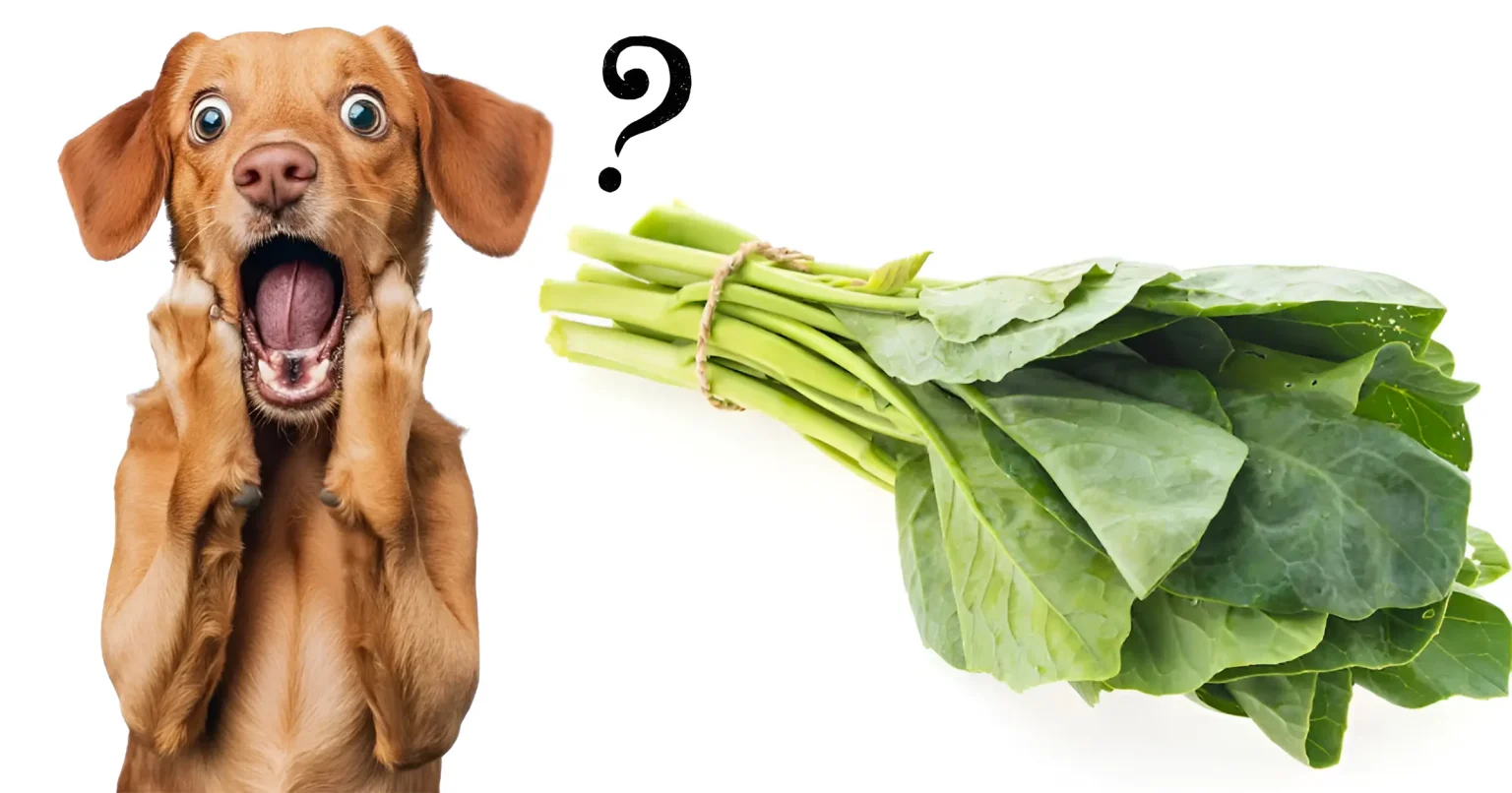
Many dog owners try to include fresh vegetables in their pet’s meals to boost nutrition and create a healthier diet. When preparing meals at home or adding extras to kibble, ingredients like spinach, kale, and carrots are usually the first to come to mind. But Swiss chard is another leafy green that appears in many kitchens, leading to an important question: can dogs eat Swiss chard ?
Just because a vegetable is healthy for humans doesn’t mean it’s automatically suitable for dogs. Understanding what Swiss chard contains, how it affects a dog’s body, and whether it should be included in a pet’s diet is essential before offering it as a treat or cooked ingredient.
Swiss chard is known for its vibrant stems and dark green leaves. It’s packed with vitamins and minerals, which makes it a popular choice for people who enjoy nutrient-dense meals. But dogs have different digestive systems, and some vegetables can irritate their stomachs or create long-term health issues if fed improperly. This is why pet owners need clarity before adding ingredients like Swiss chard to their dog’s bowl.
This complete guide looks at whether dogs can eat Swiss chard, how much is safe, any potential risks, preparation tips, and signs to watch for if your dog reacts poorly to it. The goal is to give you a clear and detailed understanding so you can make the best decision for your dog’s health.
Can Dogs Eat Swiss Chard?
The answer is yes, dogs can eat Swiss chard, but only in very small amounts and properly prepared. Raw Swiss chard contains natural compounds that can irritate a dog’s digestive system. When fed in large amounts or too frequently, it may lead to stomach upset or contribute to mineral imbalances.
However, when cooked lightly and given in moderation, Swiss chard can be a safe occasional addition to a dog’s diet. The key is preparation and portion control. Dogs don’t need leafy greens in large quantities, and their digestive systems handle vegetables differently than humans do.
Still, not all dogs respond the same way. Some tolerate leafy greens without issues, while others experience gas, loose stools, or discomfort. If your dog has never eaten Swiss chard before, introducing it slowly is the safest way to test tolerance.
Why Some Dogs Struggle With Swiss Chard
Swiss chard contains substances called oxalates, which can interfere with calcium absorption and irritate the stomach if eaten in large quantities. Oxalates are naturally present in many leafy greens, but Swiss chard has higher levels compared to some other vegetables.
While small amounts are generally harmless, repeated feeding of high-oxalate foods can create problems, especially in dogs prone to urinary crystals or kidney concerns.
Another reason some dogs struggle with Swiss chard is its fiber content. While fiber helps digestion in moderation, too much can overwhelm a dog’s system. Excessive fiber can lead to loose stools, bloating, and abdominal discomfort.
Because of these factors, Swiss chard should be treated as an occasional vegetable, not a daily ingredient.
Nutritional Role of Swiss Chard for Dogs
Swiss chard is packed with vitamins A, C, K, E, potassium, magnesium, iron, antioxidants, and fiber. These nutrients support immune health, circulation, digestion, and skin wellness. Although beneficial in theory, dogs don’t necessarily absorb nutrients from leafy greens as efficiently as humans do.
Dogs are naturally adapted to digest animal proteins first. Vegetables play a secondary, supportive role. This means that while Swiss chard can add a nutritional boost, it should not replace the core components of a dog’s diet.
A small portion occasionally can supply antioxidants that support cellular health and natural immunity. However, overfeeding offers no real advantage and increases risks, which is why moderation is essential.
Raw vs. Cooked Swiss Chard for Dogs
Raw Swiss chard is tougher to digest and contains higher levels of oxalates. Most dogs do not handle raw leafy greens well, and feeding them raw can lead to stomach upset, gas, or diarrhea. The texture is also hard for them to chew properly, which may cause choking in small dogs.
Cooking the chard lightly reduces oxalate content and makes the vegetable softer and easier to digest. Steaming or boiling is the safest method. Oil, butter, garlic, seasoning, and salt should never be added, as dogs cannot tolerate these ingredients well.
Light cooking also improves nutrient availability. Dogs cannot break down cellulose in raw vegetables, so cooking helps their system extract nutrients more effectively.
How Much Swiss Chard Can a Dog Safely Eat?
Since Swiss chard is only meant to be an occasional addition, small quantities are more than enough. Large amounts provide no added benefits and increase the risk of digestive issues.
Small dogs should only get a teaspoon or two. Medium dogs can have a tablespoon. Large dogs may handle two tablespoons. Anything beyond this can irritate the stomach or overwhelm the digestive system.
Remember, Swiss chard should never become a daily vegetable in a dog’s diet. The body absorbs natural nutrients better from animal-based foods, and greens should stay in the “treat or add-on” category.
Best Ways to Prepare Swiss Chard for Your Dog
The safest method to prepare Swiss chard involves gentle cooking and removing any tough stems. Stems contain more oxalates and can be fibrous, so many owners prefer giving only the leaves.
Chop the leaves finely before cooking to help digestion. Steaming is preferred because it preserves most nutrients, while boiling is also acceptable. Avoid microwaving with plastic containers or using any form of seasoning.
Once cooked, allow the chard to cool completely before mixing it into your dog’s food. It should never replace main ingredients. Think of it as a small nutritional boost, not a primary component.
Benefits of Feeding Small Amounts of Swiss Chard
When fed correctly, Swiss chard can offer certain benefits to a dog’s diet. Its vitamin-rich profile supports immune strength, healthy eyesight, and cellular activity. Vitamin K assists natural blood function, while the antioxidants help defend against free radicals.
Fiber in small amounts helps regulate digestion. Dogs prone to constipation may benefit from a tiny portion mixed into a meal. The plant compounds offer mild anti-inflammatory effects that support overall wellness.
These benefits appear only when Swiss chard is fed sparingly and cooked properly. Overfeeding eliminates these positives and introduces risks.
Risks of Feeding Too Much Swiss Chard
Swiss chard becomes risky when fed too often or in large portions. High oxalate content is the biggest concern, especially for dogs with a history of kidney or urinary issues. Oxalates may contribute to crystal formation and irritation in the urinary tract.
Digestive problems are another concern. Too much fiber overwhelms the gut and leads to loose stools. Dogs with sensitive stomachs may react strongly to even small changes in their diet.
Another issue is that dogs do not need leafy greens in abundance. Feeding too many vegetables can dilute the nutritional balance of a dog’s meal, especially if they start rejecting their main protein source because of the added greens.
Dogs That Should Avoid Swiss Chard Completely
Certain dogs should not eat Swiss chard at all. Dogs with kidney concerns, urinary crystals, chronic digestive irritation, or any condition requiring controlled oxalate intake should avoid it entirely.
Very young puppies also don’t need Swiss chard because their digestive systems are still developing, and they gain nutrients best from protein-rich foods.
Dogs with a history of stomach sensitivity or chronic diarrhea may not tolerate Swiss chard well. In these cases, sticking to simpler vegetables like carrots or cooked pumpkin is safer.
Signs Your Dog Did Not Tolerate Swiss Chard Well
If your dog reacts poorly, symptoms usually show within a few hours. You may notice digestive discomfort, loose stools, excessive gas, or a visibly bloated belly. Some dogs may appear restless or reluctant to eat after a meal containing Swiss chard.
If the dog consumed a large amount, watch for signs of distress such as vomiting or unusual thirst. Although rare, these symptoms indicate irritation and may require immediate attention, especially if they persist.
Always observe your dog after introducing any new food. Even healthy vegetables can cause issues if their system does not agree with them.
How Often Can Dogs Eat Swiss Chard?
Swiss chard should be given occasionally, not daily. Once every week or two is enough if your dog tolerates it well. Regular feeding increases cumulative oxalate intake and offers no greater nutritional advantage.
Dogs benefit more from routine meals that include high-quality protein, healthy fats, and essential minerals. Vegetables like Swiss chard serve as optional additions rather than dietary foundations.
Can Swiss Chard Be Mixed With Other Vegetables?
Yes, but extreme caution is required. Combining too many leafy greens raises oxalate levels and fiber content all at once. Pairing Swiss chard with low-oxalate vegetables like carrots, zucchini, or green beans is a better choice than mixing it with spinach or beet greens.
Balance is the priority. A small amount of chard paired with a mild vegetable provides variety without overwhelming digestion.
Conclusion
Dogs can eat Swiss chard, but only in very limited amounts and always cooked. Raw chard is too harsh on their digestive system and contains higher oxalate levels. When prepared properly, Swiss chard offers vitamins, antioxidants, and mild digestive support. Still, it must stay an occasional ingredient, not a diet staple.
Too much Swiss chard poses risks, especially for dogs with urinary or kidney sensitivities. Moderation, careful preparation, and close observation ensure your dog enjoys the benefits without facing the drawbacks. With thoughtful feeding, Swiss chard can be a safe addition to a balanced diet while keeping your dog’s digestive health and overall well-being protected.
FAQs
1. Can dogs eat Swiss chard safely?
Yes, but only in small amounts and preferably cooked. Raw Swiss chard is harder to digest.
2. Is Swiss chard healthy for dogs?
In moderation, it provides vitamins and antioxidants, but overfeeding leads to digestive issues.
3. Can Swiss chard upset a dog’s stomach?
Yes, especially if fed raw or in large amounts. Gas, bloating, and loose stools are common reactions.
4. Can dogs with kidney issues eat Swiss chard?
No, high oxalate levels make it unsafe for dogs with kidney or urinary concerns.
5. Should I remove the stems before feeding Swiss chard?
Yes, stems are tougher and contain more oxalates, making them harder to digest.
For More Visits: AnimalsInfo
Also Read: Do Dogs Need Salt in Homemade Food? 2025 Helpful Guide